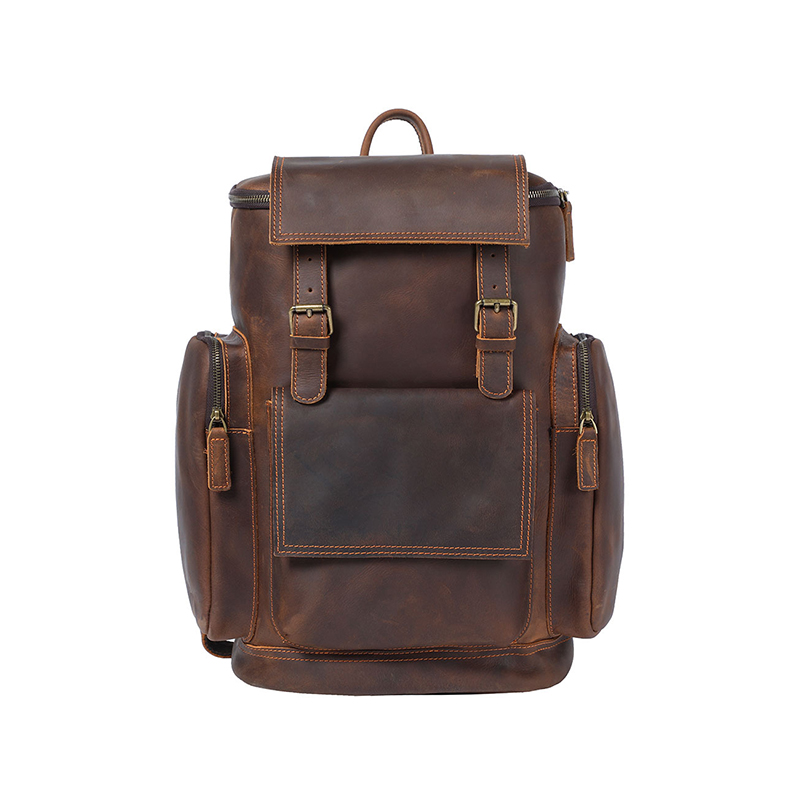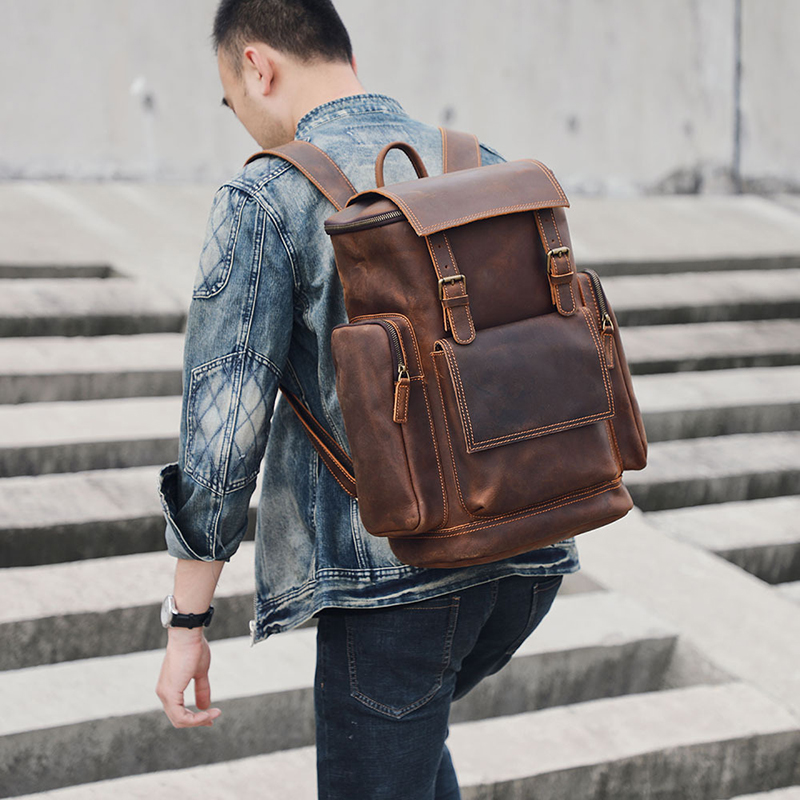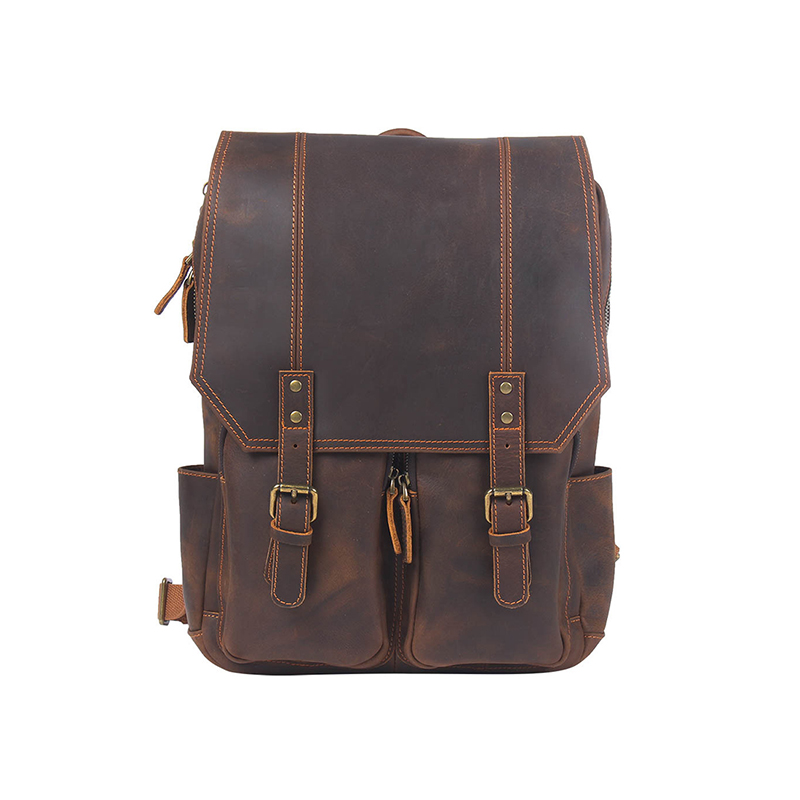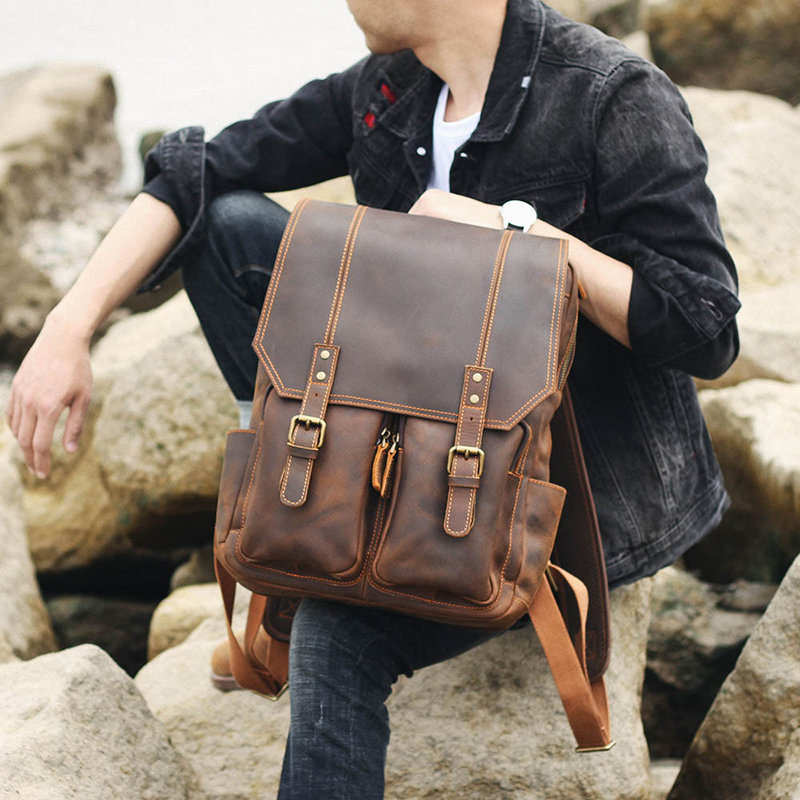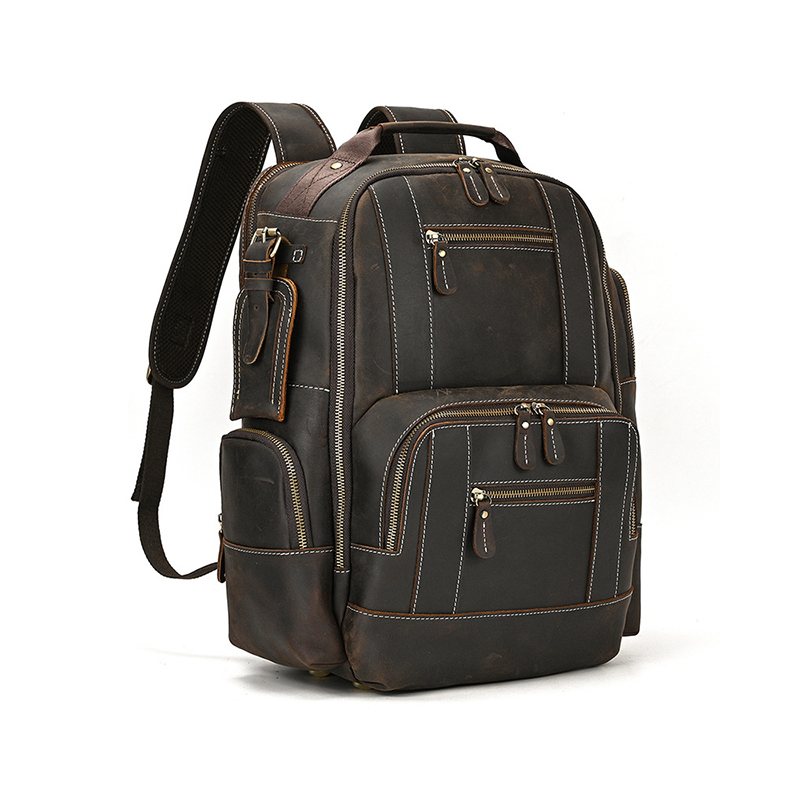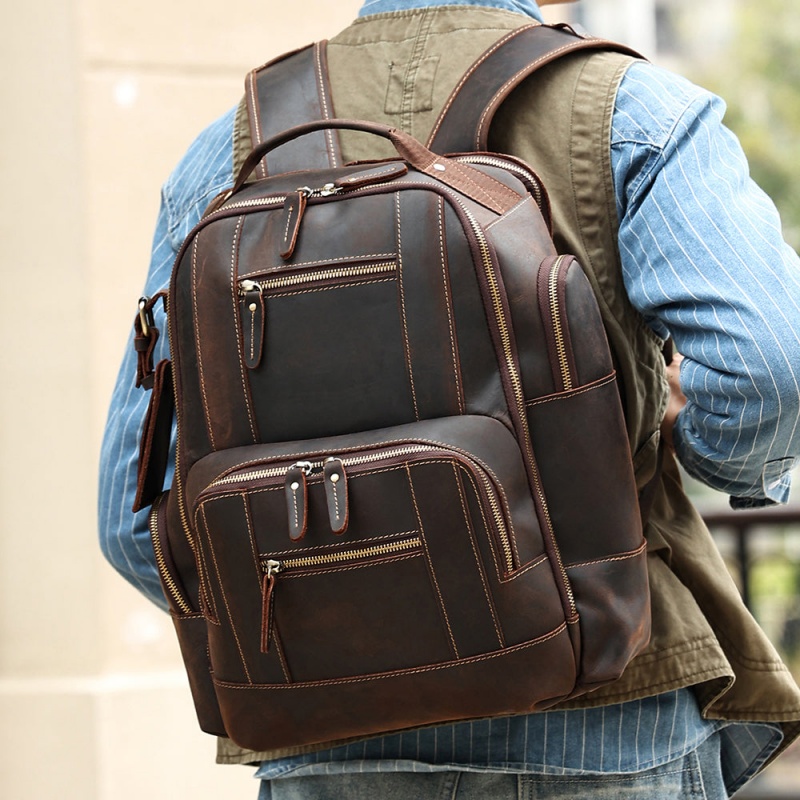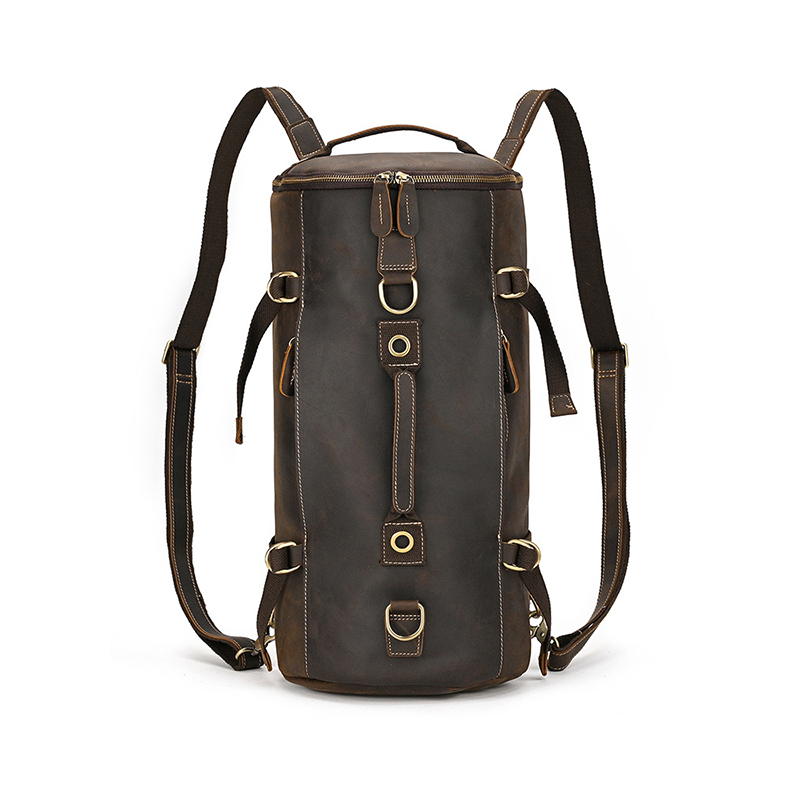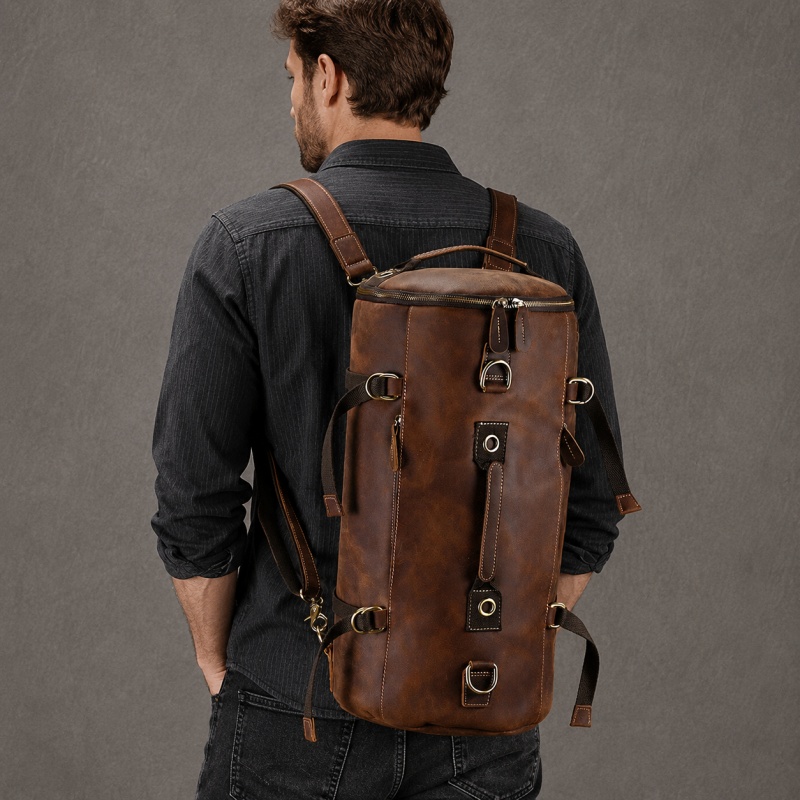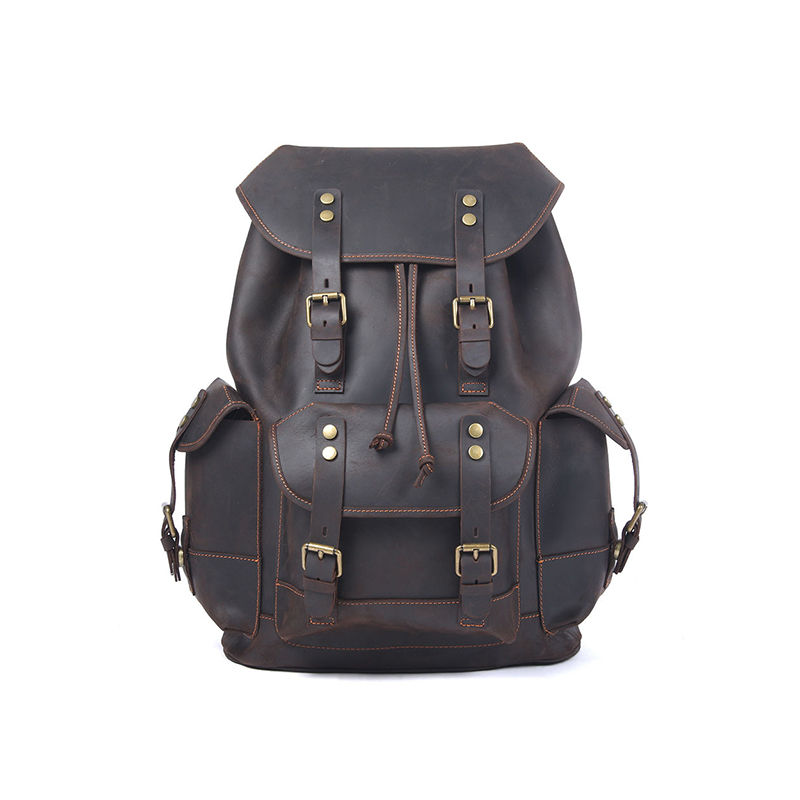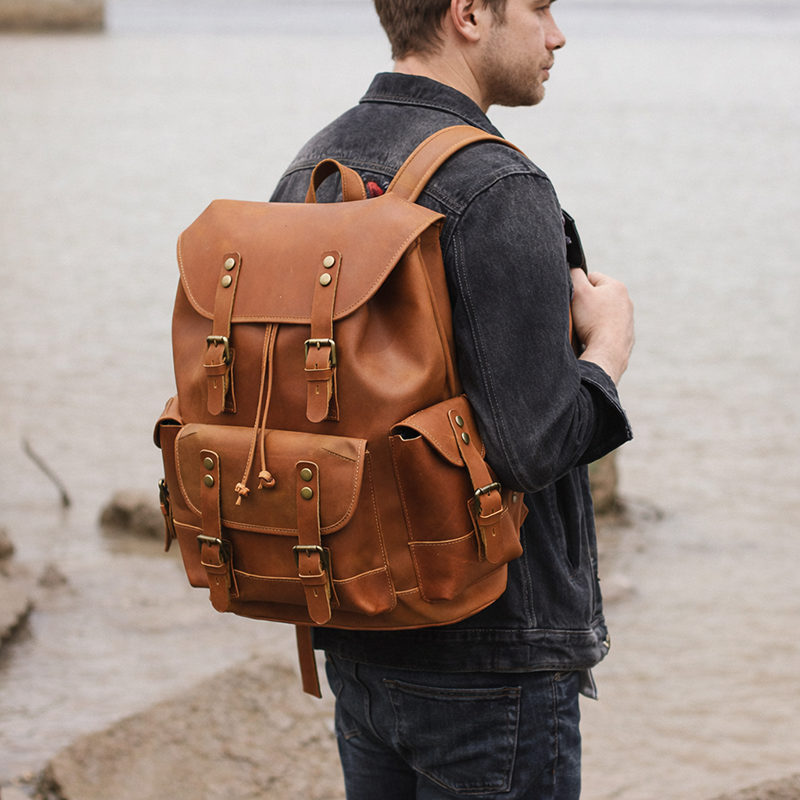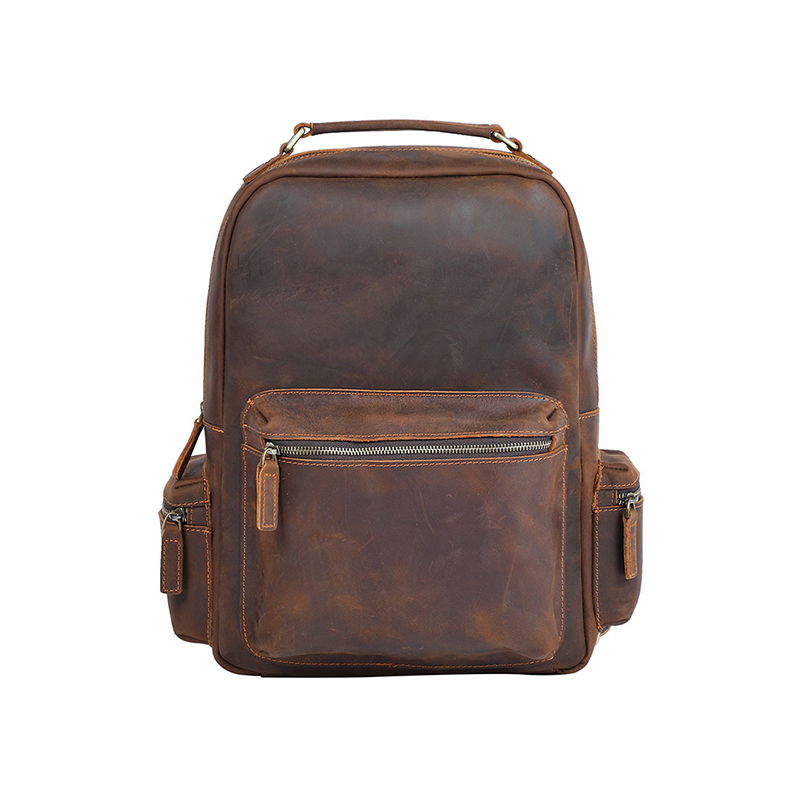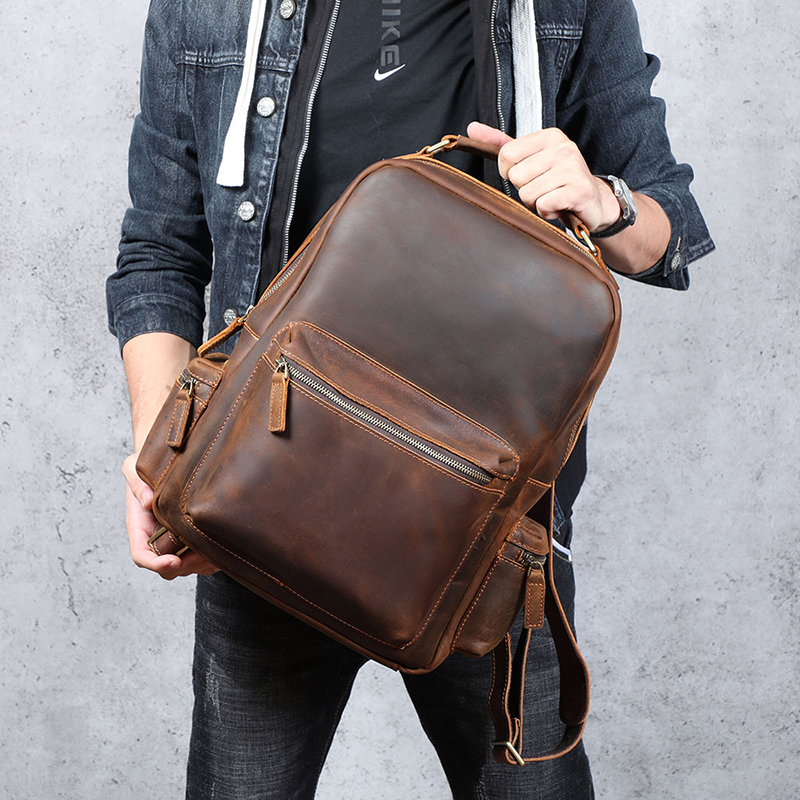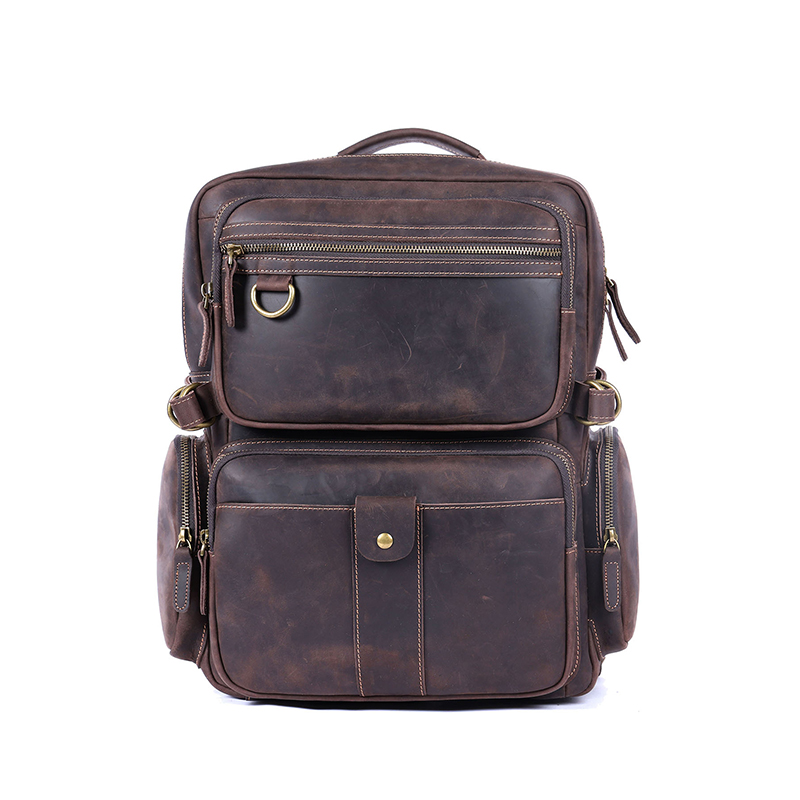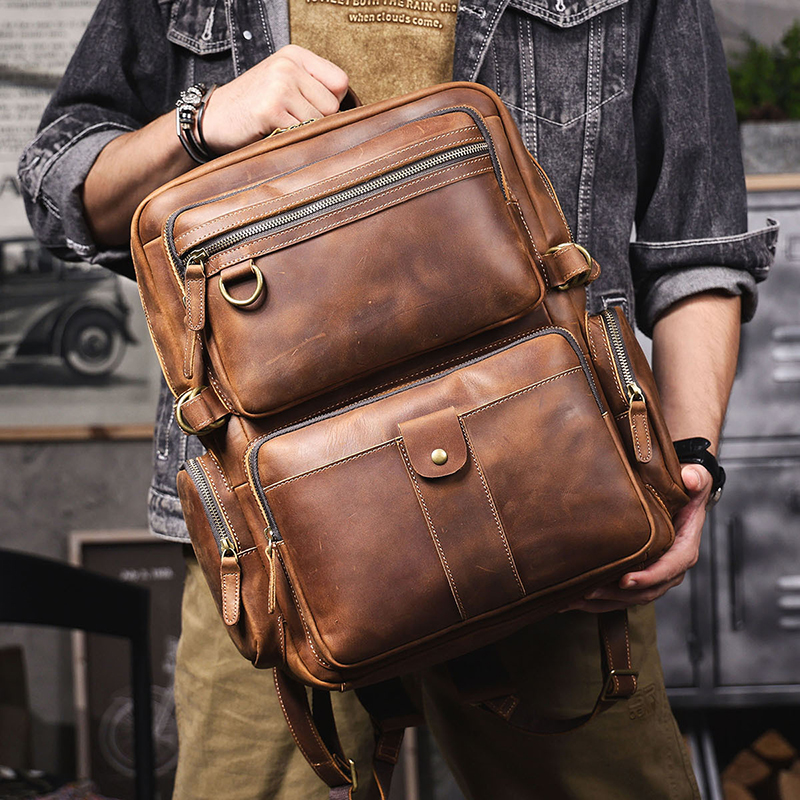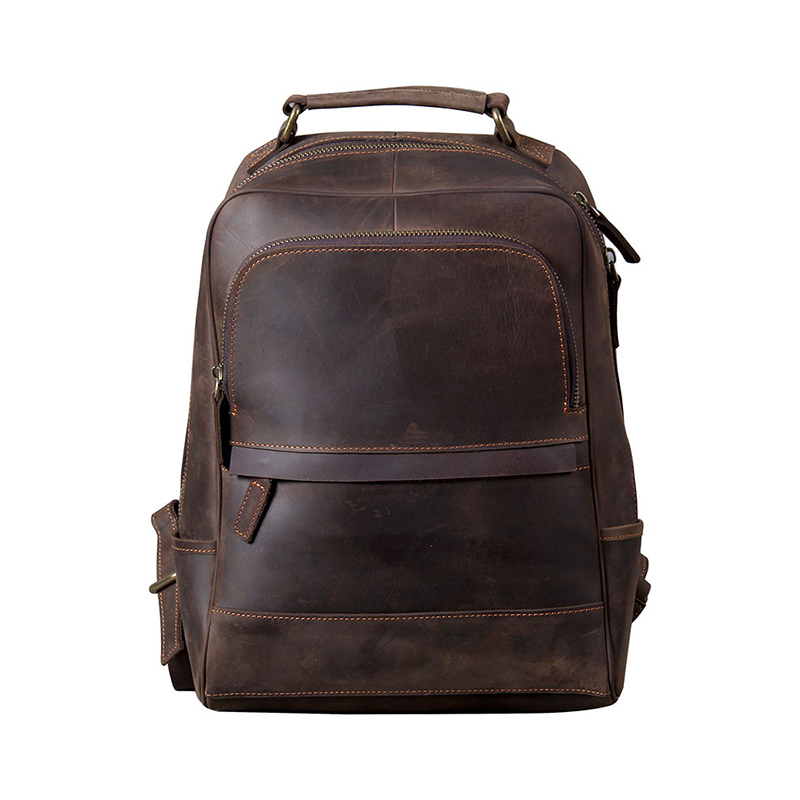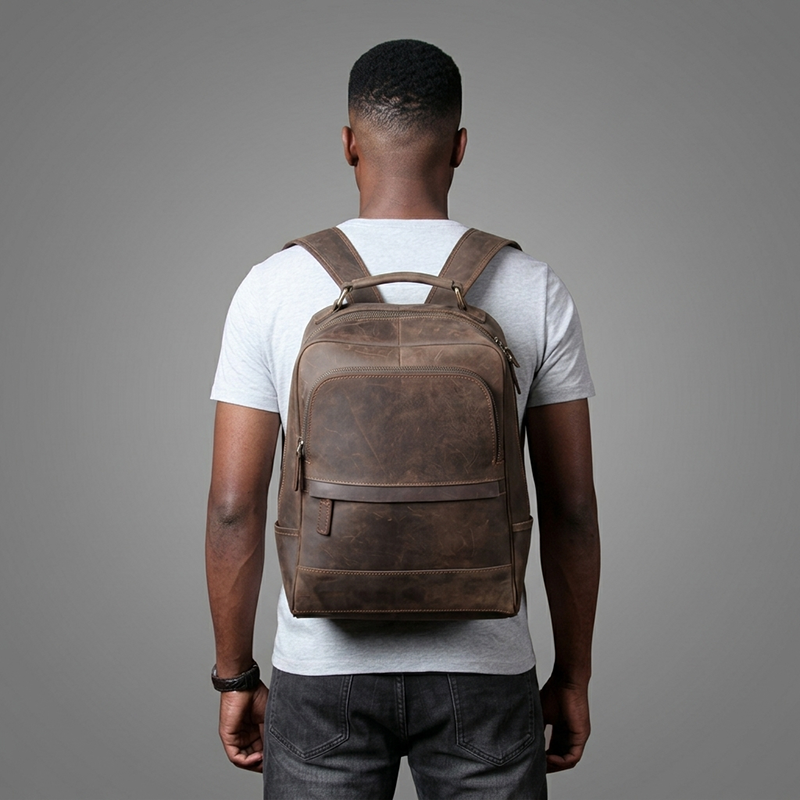
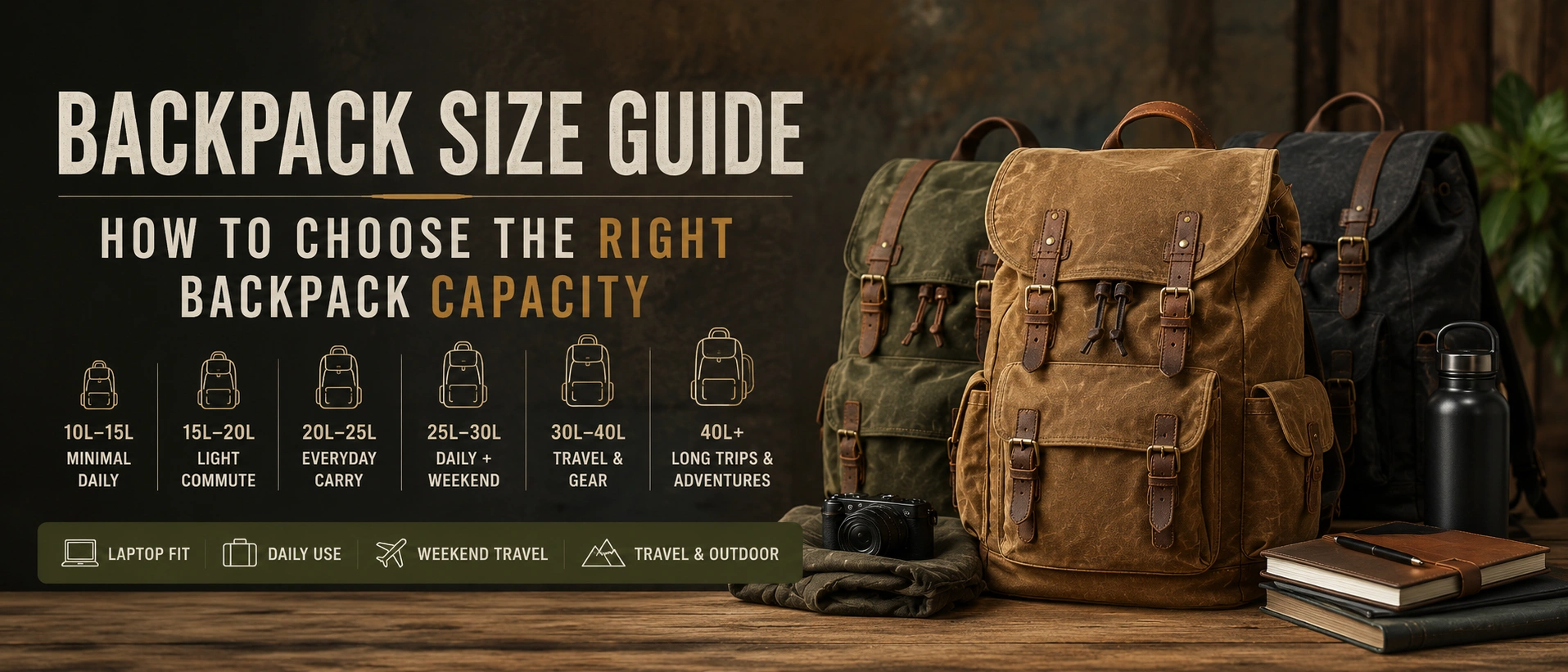
The right backpack size is not about choosing the biggest bag — it is about choosing the capacity that fits what you actually carry.
That sounds simple until you start comparing 15L, 20L, 25L, 30L, and 40L backpacks and realize the numbers do not explain much by themselves. A 20L backpack can feel spacious if the layout is clean. A 30L backpack can feel awkward if the shape is too tall, too deep, or poorly organized.
Most people make one of two mistakes.
They either buy too small because they want a clean everyday bag, then discover it cannot hold a laptop, charger, water bottle, and jacket at the same time. Or they buy too large because they want flexibility, then end up with a bulky bag that feels wrong for a normal commute.
The better question is not, “How many liters is enough?”
It is: “What do you actually carry, and how often do you need extra room?”
Quick Summary
If you want a fast answer, most people should start here:
| Backpack Size | Best For | Not Ideal For |
|---|---|---|
| 10L–15L | Minimal daily carry | Laptop, jacket, weekend use |
| 15L–20L | Light commute, tablet, essentials | Heavy work carry or travel |
| 20L–25L | Everyday carry, laptop, daily essentials | Bulky clothing or longer trips |
| 25L–30L | Daily carry plus weekend travel | Minimal commuting |
| 30L–40L | Travel, gym gear, camera gear | Clean everyday carry |
| 40L+ | Long trips, hiking, outdoor travel | Normal daily use |
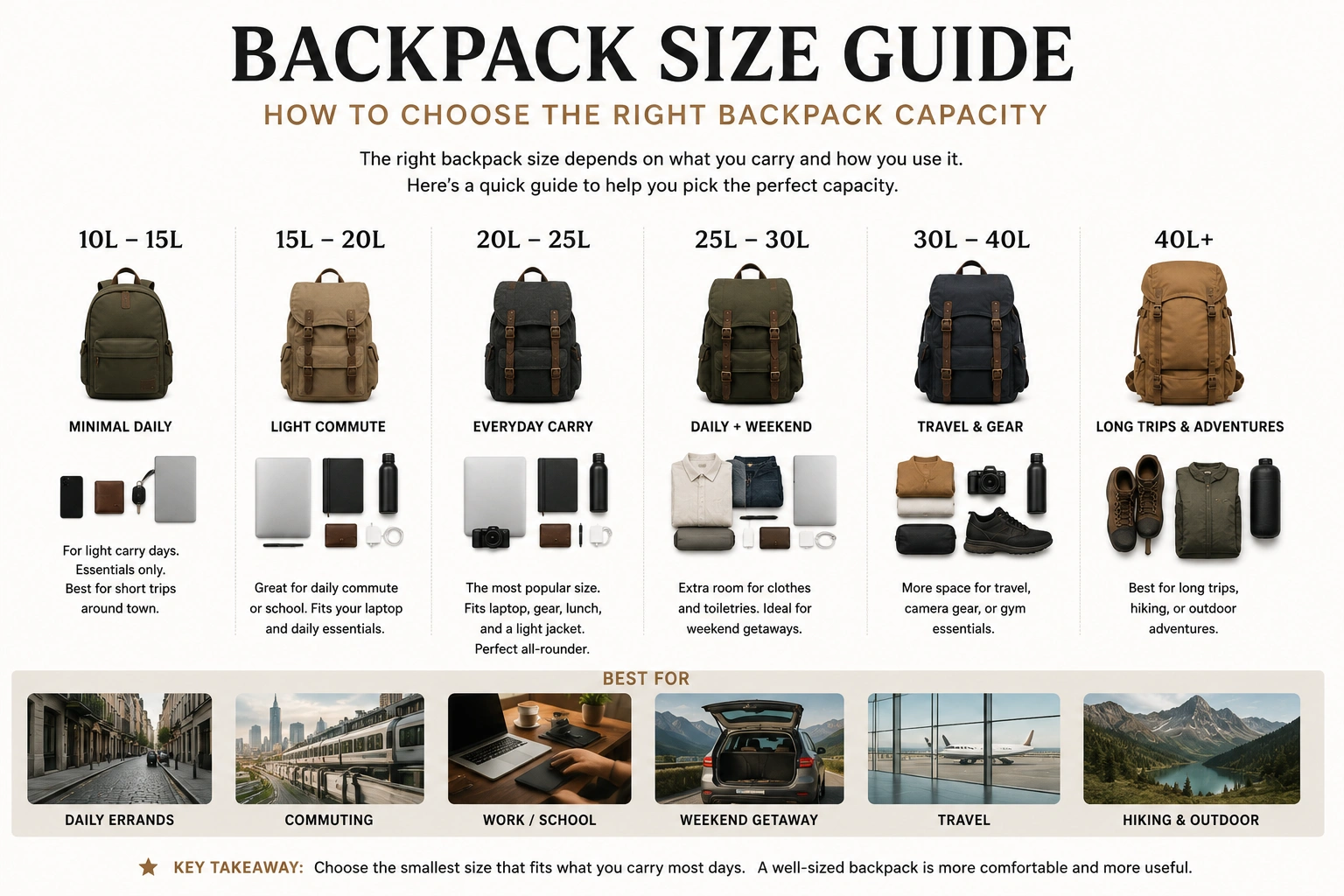
For most men, the best everyday backpack size is usually 15L–25L. For weekend travel, 20L–30L is usually the more practical range.
That is the useful starting point. The rest depends on how much structure, organization, and flexibility you need.
Why Backpack Size Matters
Backpack size affects more than how much you can put inside.
It affects how the bag feels on your shoulders, how naturally it sits against your back, how easy it is to find your things, and whether the bag looks proportional with normal clothes. A backpack that is perfect for a weekend trip can feel excessive on a Tuesday morning commute. A clean daily backpack can look great until you try to fit a sweatshirt and a laptop in it at the same time.
Here is where the liter number gets a little misleading.
Backpack capacity is usually measured in liters, but liters only describe internal volume. They do not tell you how the space is shaped. A tall, narrow 25L backpack and a wider, boxier 25L backpack may have the same listed capacity, but they will not pack the same way. One may handle clothes well. The other may be better for a laptop and daily essentials.
A backpack that is too small becomes frustrating. A backpack that is too large becomes a burden.
That is why size should be chosen around real use, not just the number on the product page.
10L–15L Backpacks: Minimal Daily Carry
A 10L–15L backpack is for people who carry very little and know exactly what belongs in the bag.
Think phone, wallet, keys, sunglasses, a tablet, a slim notebook, maybe a small water bottle. It works for light city use, short errands, and minimal commuting where the bag is more about convenience than capacity.
This size can look sharp because it stays compact. It does not overwhelm your outfit, and it does not feel like you are carrying a travel pack when all you need is a few essentials.
The limitation appears quickly.
Add a laptop and charger, and space gets tight. Add a light jacket, and the bag may start bulging. Add lunch, a water bottle, and headphones, and the clean shape disappears.
A 10L–15L backpack makes sense if you are disciplined with what you carry. It does not make sense if you want one backpack for work, errands, and short trips.
This is a minimal carry size, not a flexible everyday size.
15L–20L Backpacks: Light Commute And Clean Daily Use
A 15L–20L backpack is where daily carry starts to become more realistic.
This range can handle a tablet, small laptop, charger, notebook, wallet, phone, keys, and a few daily extras without feeling oversized. For people who commute light, work from coffee shops, or mostly carry digital essentials, it is often enough.
It also has a visual advantage. A backpack in this size range usually looks clean and intentional. It does not look like a school bag stuffed full of everything you own, and it does not feel like a travel pack when you are just walking into a café.
But it still has limits.
A 15L backpack that looks great empty may become annoying once you add a laptop sleeve, water bottle, and outer layer. A 20L backpack gives more room, but the layout has to be good. If the main compartment is narrow or the pockets are shallow, the listed size will feel smaller than expected.
One thing many buyers notice after a few weeks: the bag they thought was “just right” on day one starts feeling small once real daily habits show up.
A charger stays in the bag. Then a notebook. Then a bottle. Then a rain jacket. Suddenly the clean little backpack is working harder than it was designed to.
Choose 15L–20L if your daily carry is light and you do not expect the bag to handle weekend packing.
20L–25L Backpacks: Best Size For Most Everyday Carry
This is the range most people should pay attention to.
A 20L–25L backpack can usually hold a laptop, charger, notebook, headphones, water bottle, light jacket, small lunch, and everyday essentials without becoming bulky. It gives you enough room to live normally without encouraging you to overpack.
That balance matters.
A 20L backpack feels compact enough for daily commuting, especially if the design is slim and structured. A 25L backpack gives you a little more breathing room, which is useful if you carry a jacket, camera, books, or a few extra items during the day.
For most men, this is the practical middle ground: large enough to be useful, small enough to stay wearable.
It also works better with mature everyday style. A 20L–25L canvas or canvas-and-leather backpack can look natural with jeans, boots, jackets, Oxford shirts, and casual workwear. It does not have to look like a hiking pack, a student bag, or a tech-heavy commuter shell.
If you want a fuller breakdown of what makes a daily bag work beyond capacity, see our guide to the best everyday backpack for men.
If you want one backpack for daily carry, 20L–25L is usually the safest range to start with.
25L–30L Backpacks: Best For Daily Carry Plus Weekend Travel
A 25L–30L backpack starts moving from pure daily carry into hybrid territory.
This is the range for people who want one bag that can handle the workweek and a short trip. It can fit a laptop, toiletries, one or two changes of clothes, a light jacket, charger, water bottle, and small travel items without forcing you to pack with extreme discipline.
That is why this range appears so often in weekend travel backpacks.
It gives you enough capacity for one to two nights, but it can still work as a daily bag if the design is not too deep or too technical. A well-designed 25L backpack may feel like an everyday bag with extra flexibility. A poorly shaped 30L backpack may feel like travel luggage on your back.
The difference is structure.
If the bag collapses when half-empty, it may look sloppy on a normal day. If it has a clean profile, supportive straps, and good pocket placement, it can work across more situations.
For travel-specific sizing and feature advice, see our guide to the best backpack for weekend travel.
Choose 25L–30L if weekend flexibility matters, but be honest about whether you want to carry that size every day.
30L–40L Backpacks: When You Need More Room
A 30L–40L backpack is useful when you genuinely need more space.
This range works for two- to three-day trips, gym clothes, camera gear, winter layers, extra shoes, or travel-heavy daily use. If your normal day involves carrying equipment, clothing, or several categories of items at once, the extra room can be practical.
But for normal commuting, it can be too much.
A 30L backpack that is only half full may feel awkward because the contents shift around. A 35L backpack may look oversized with everyday clothes. A 40L backpack can be comfortable with the right straps, but it is still a large object to carry through a city, office, café, or train station.
More room also creates a habit problem.
When you have empty space, you fill it. The bag gets heavier, not because you needed everything, but because the bag allowed everything. That is where many people regret going too large.
30L–40L is useful for travel-heavy carry, but it is often more bag than most people need every day.
40L+ Backpacks: Travel And Outdoor Use
A 40L+ backpack belongs in a different category.
This is no longer a normal daily carry size. It is for longer travel, hiking, camping, extended trips, carry-on travel packs, and situations where the backpack is replacing luggage. That does not make it wrong. It just means the use case is more specific.
For outdoor travel, 40L+ can make sense. For a normal workday, it usually does not.
It is too large for most office settings, too bulky for coffee shop use, and too specialized for mature daily outfits. It also pulls the conversation toward outdoor gear — frame support, hip belts, load lifters, compression straps — which is useful for hiking but not really relevant to most daily or weekend backpacks.
For daily carry, city travel, workday use, weekend trips, and canvas-and-leather style backpacks, this is usually beyond the main range.
For most daily and weekend use, 40L+ is too large unless travel is the primary purpose.
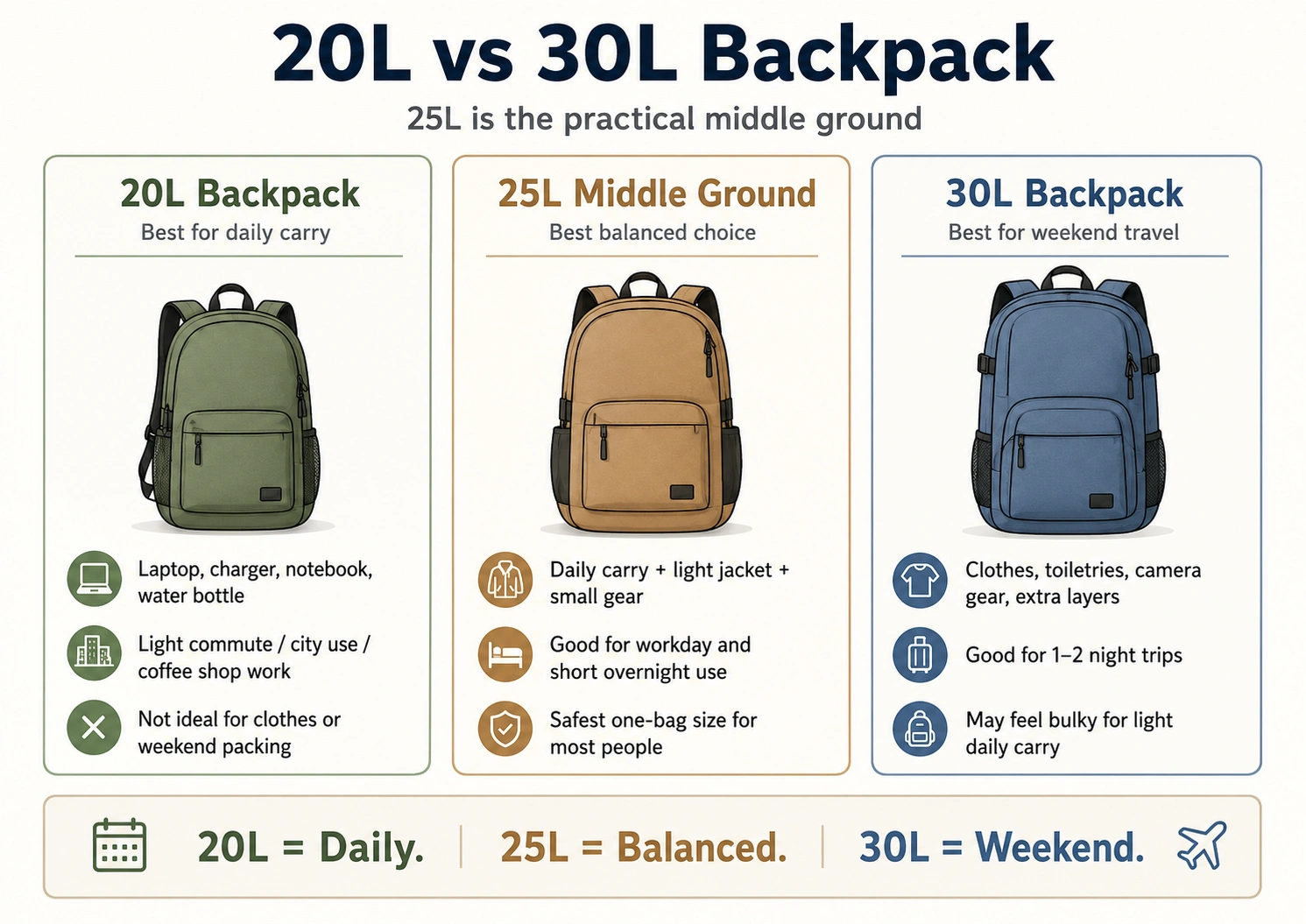
20L vs 30L Backpack: Which One Should You Choose?
This is one of the most practical comparisons because 20L and 30L sound close on paper.
In real life, they feel very different.
20L Backpack
A 20L backpack is usually better for daily carry, laptop and essentials, light commuting, city use, coffee shop work, people who do not overpack, and cleaner everyday outfits.
The advantage is wearability. A 20L backpack is easier to carry, easier to store, and less likely to feel bulky during a normal day. It also tends to keep better proportions with everyday clothing.
The trade-off is limited flexibility. Once you add clothes, toiletries, or camera gear, the space disappears quickly.
30L Backpack
A 30L backpack is usually better for weekend trips, gym clothes, extra layers, camera gear, short travel, and people who carry more than daily essentials.
The advantage is room. You do not have to pack as tightly, and you can carry both work items and short-trip items in the same bag.
The trade-off is bulk. A 30L backpack can feel excessive if your daily carry is only a laptop, charger, notebook, and water bottle.
The more honest comparison is this:
A 20L backpack is better for daily use. A 30L backpack is better for weekend flexibility. If you want one balanced size, 25L is often the most practical middle ground.
That middle range is why so many daily-plus-weekend bags sit around 24L, 25L, or 26L.
What Size Backpack Fits A Laptop?
Laptop fit is where many buyers get misled by capacity.
A backpack can have enough liters and still fail if the laptop sleeve is too small. The sleeve size, padding, opening shape, and internal layout matter more than the total volume.
13-Inch Laptop
A 13-inch laptop usually fits in many 15L–20L backpacks, as long as the bag has a dedicated sleeve. This is the easiest laptop size to accommodate, especially for slim daily carry bags.
14-Inch Laptop
A 14-inch laptop often works well in 18L–25L backpacks. The extra space helps if you also carry a charger, notebook, and bottle.
15-Inch Laptop
A 15-inch laptop usually needs a 20L–25L backpack or larger, depending on the sleeve dimensions. At this size, padding becomes more important because the laptop takes up a meaningful part of the bag.
16-Inch Laptop
A 16-inch laptop should not be guessed. Look for a backpack around 25L or larger and confirm the actual laptop compartment dimensions before buying.
⚠️ Note: Do not choose a laptop backpack by liters alone. A 25L backpack with a poorly sized sleeve can fit worse than a 20L backpack designed around laptop carry.
Laptop fit is about compartment dimensions first, capacity second.
What Size Backpack Is Best For Work?
For most work use, 15L–25L is the best range.
That gives enough room for a laptop, charger, notebook, documents, water bottle, headphones, and small daily essentials without making the bag look like travel luggage. If your workday is mostly office, café, car, train, or city commuting, you probably do not need 30L unless you carry extra clothing or equipment.
A work backpack also has a style requirement that pure capacity does not solve.
Too small can look underbuilt. Too large can look like a student or travel pack. Too technical can feel mismatched with business casual clothes. Too formal can feel stiff on weekends.
This is where material and shape matter. A canvas and leather backpack in a 20L–25L range often fits the space between casual and polished: useful enough for work, relaxed enough for daily carry.
One useful test: imagine the bag sitting next to you in a coffee shop, under a desk, and in a weekend hotel room. If it feels natural in all three places, the size and style are probably close.
For work, the best backpack size is usually the smallest size that still carries your laptop and daily essentials comfortably.
What Size Backpack Is Best For Weekend Travel?
For most weekend travel, 20L–30L is the right range.
A light overnight trip can work with 20L if you pack carefully: one change of clothes, toiletries, charger, wallet, phone, and maybe a thin layer. For one to two nights, 25L–30L is more forgiving. You can pack normal clothes without turning every item into a puzzle.
The problem begins when the trip gets bulkier.
Winter clothing, extra shoes, camera gear, gifts, or more than two nights of packing can push a backpack past its comfort zone. At that point, a larger travel backpack or a duffle may make more sense.
A backpack is best when you need hands-free movement — trains, flights, walking through a city, stairs, public transportation. A duffle is better when clothing organization matters more and you are mostly moving from car to hotel.
If your trip needs more packing space than a 30L backpack can comfortably handle, a weekender bag may be the cleaner choice.
For one to two nights, 20L–30L works well. For longer or bulkier trips, do not force a daily backpack to act like luggage.
Backpack Size vs Backpack Style
Size changes how a backpack looks.
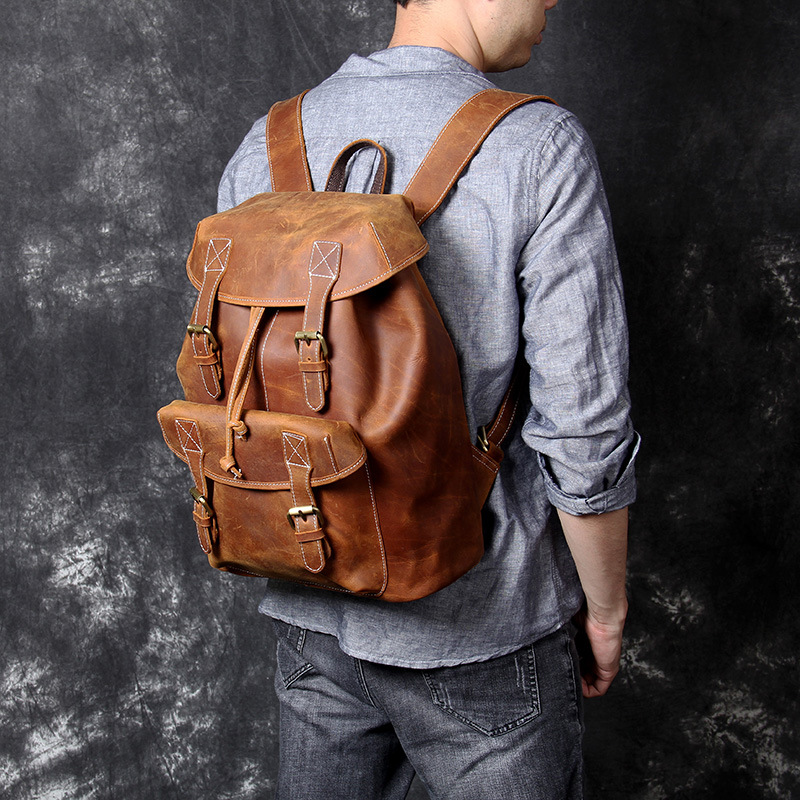
A small backpack can look clean, but it may also look too casual or underpowered on a larger frame. A medium backpack usually works best for daily outfits because it has enough visual presence without overwhelming the body. A large backpack can be useful, but it starts to read as travel, outdoor, or student gear depending on the design.
This is especially important for men who want one backpack that feels mature.
A 30L technical backpack with compression straps, mesh panels, and a sporty shell may be practical, but it will not always look right with jeans, boots, a canvas jacket, or an Oxford shirt. A canvas or canvas-and-leather backpack in a similar capacity can read completely differently because the material softens the visual impact.
The size is only part of the impression. Material does the rest.
For a deeper look at how canvas, waxed canvas, leather, nylon, polyester, lining, hardware, and stitching affect the bag, see our guide to what backpacks are made of.
The best backpack size is the one that fits both your carry needs and your actual wardrobe.
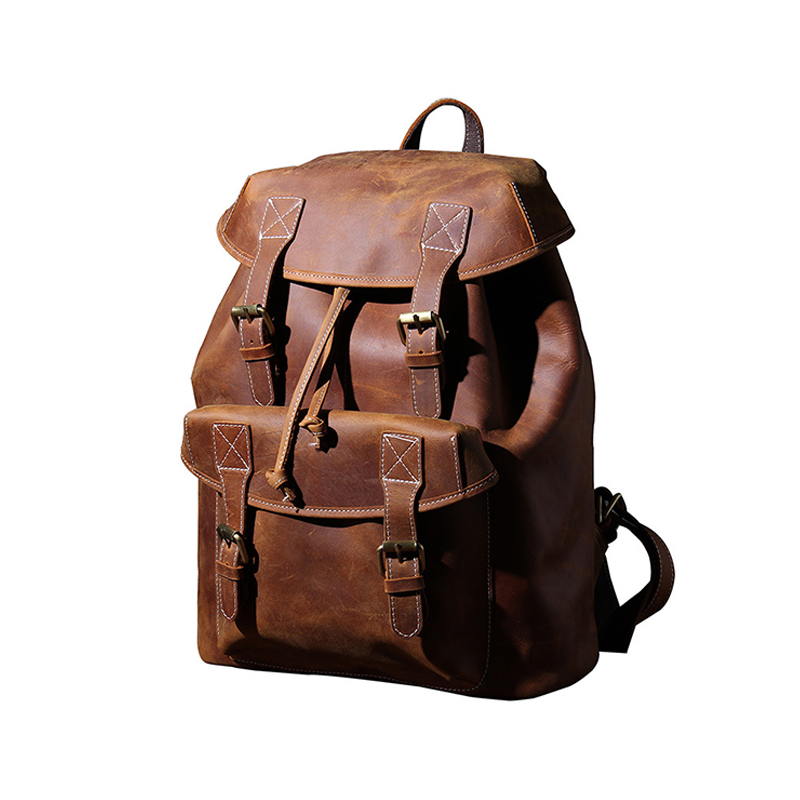
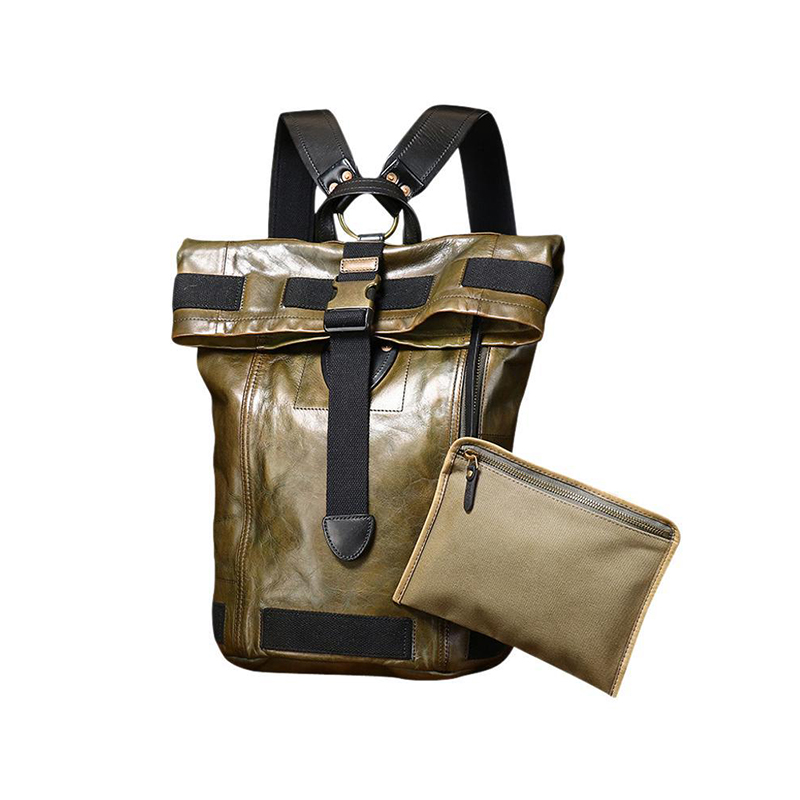
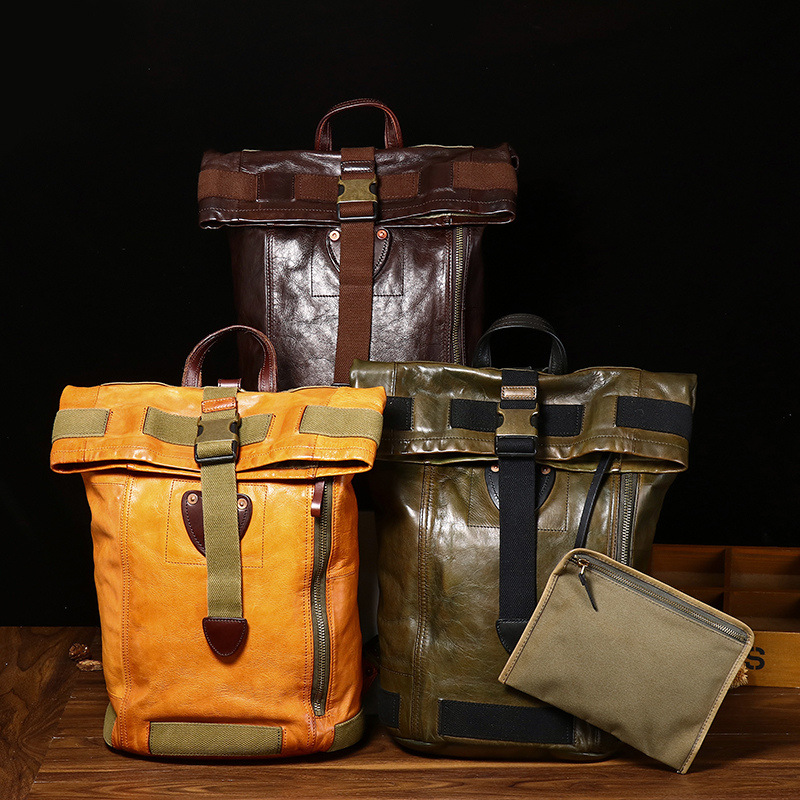
Canvas And Leather Backpacks: A Practical Size Choice
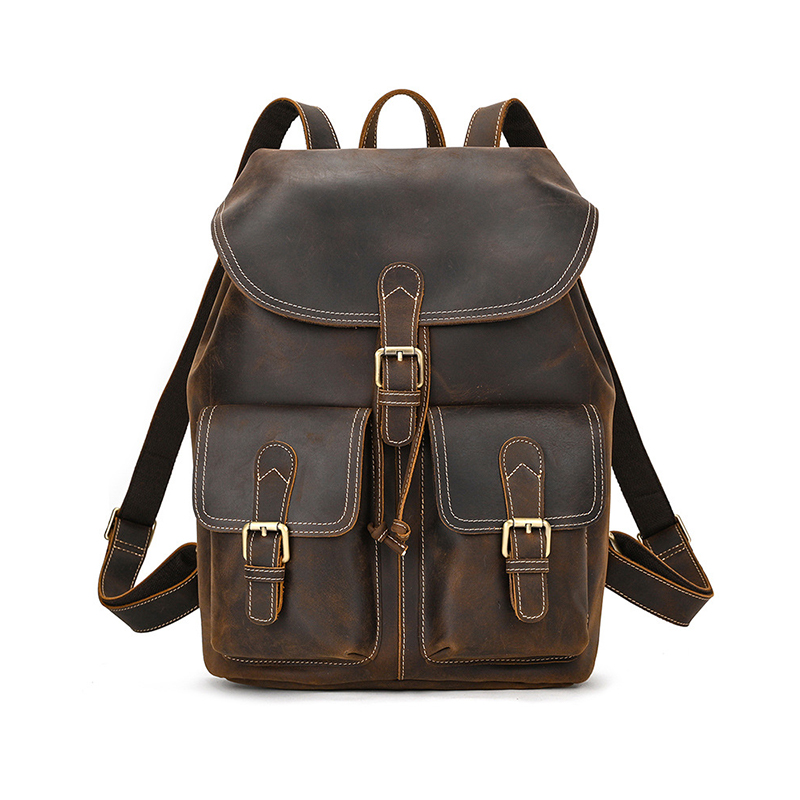
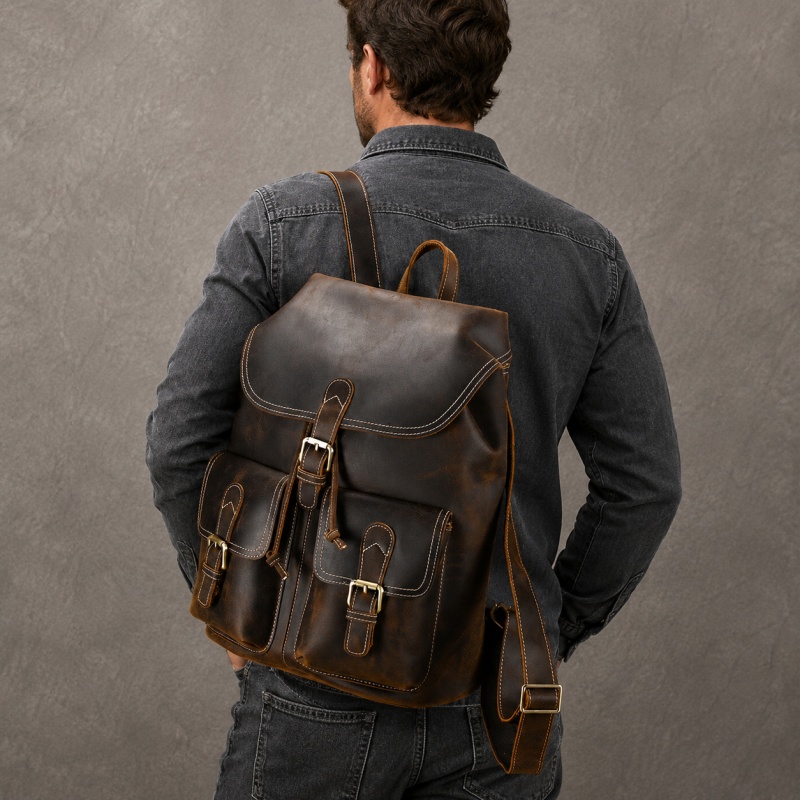
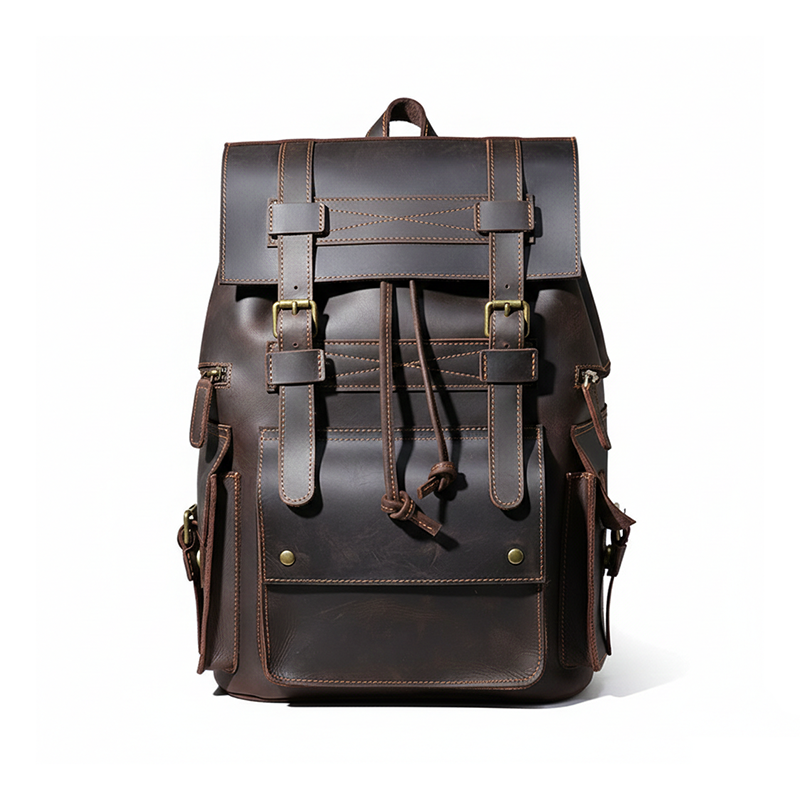
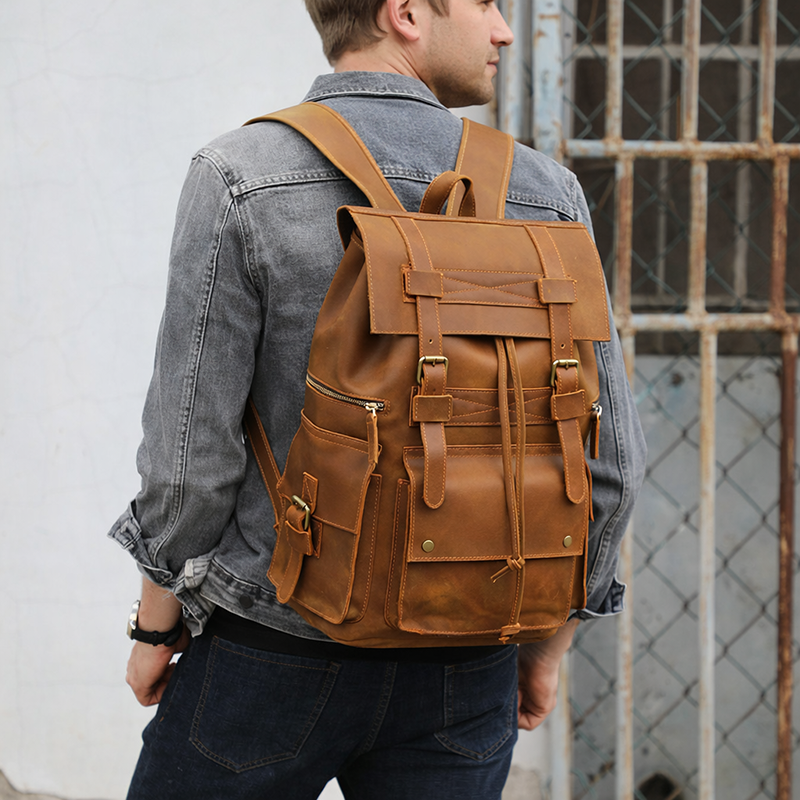
For people who want one bag that works for daily carry and short trips, canvas and leather backpacks often make the most sense in the 20L–30L range.
The canvas body keeps the bag lighter than full leather and more relaxed than a formal business case. The leather trim adds structure, strength, and a more mature finish. That combination works especially well when the bag needs to move between workday and weekend use.
A 20L–25L canvas and leather backpack leans more daily. It is easier to carry and better for regular commuting.
A 25L–30L canvas and leather backpack leans more flexible. It can handle a light overnight, extra layer, or short trip without turning into a full travel pack.
This is the balance many men are actually looking for, even if they start by asking a simple size question.
They do not just want capacity. They want a bag that does not look wrong when it is not packed full. They want something that works with normal clothing, handles daily use, and still has enough space for the occasional weekend.
For that kind of use, canvas and leather backpacks are one of the strongest material and size combinations.
Final Verdict: What Backpack Size Should You Buy?
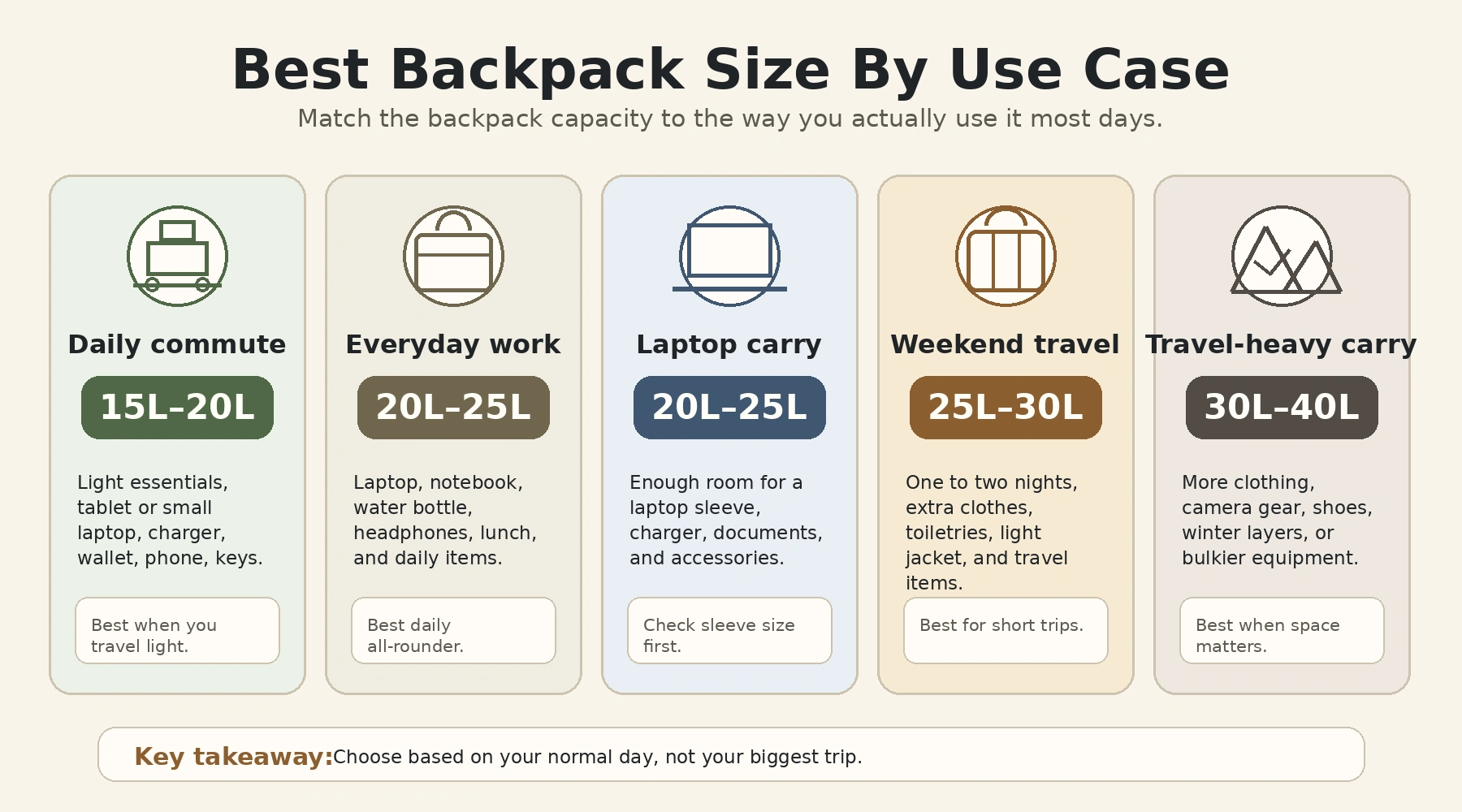
The best backpack size depends on what your normal day looks like, not the biggest trip you might take once a year.
If you carry very little, 10L–15L can work. If you want a clean commuter bag, 15L–20L is enough for light daily use. If you carry a laptop and normal essentials, 20L–25L is the safest everyday range. If you want one bag for daily use and short weekend trips, 25L–30L gives you more flexibility. If you regularly carry clothing, camera gear, gym gear, or travel items, 30L–40L may be justified.
But for most people, the answer is simpler than the full chart suggests.
For everyday carry, choose 20L–25L. For daily carry plus weekend travel, choose 25L–30L. If you want one balanced backpack, aim around 25L.
That is where size, comfort, organization, and style usually meet.
A canvas and leather backpack in that middle range is especially practical because it does not lean too far in one direction. It is not just a work bag, not just a travel pack, and not just a casual backpack. It is the kind of bag that can stay in rotation because it fits more than one version of your week.
Frequently Asked Questions
What size backpack do I need for everyday use?
For most everyday use, 15L–25L is the practical range. If you only carry a few essentials, 15L–20L may be enough. If you carry a laptop, charger, water bottle, notebook, and light jacket, 20L–25L is usually safer.
Is a 20L backpack big enough?
Yes, a 20L backpack is big enough for most daily carry. It can usually handle a laptop, charger, notebook, water bottle, and daily essentials. It may feel tight if you also want to carry clothing, gym gear, camera equipment, or weekend travel items.
Is a 30L backpack too big for daily use?
A 30L backpack can be too big for light daily carry, especially if you only bring a laptop and small essentials. It makes more sense if you regularly carry extra layers, gym clothes, camera gear, or need the bag to double as a weekend travel backpack.
What size backpack fits a laptop?
Most 13-inch and 14-inch laptops fit in many 15L–25L backpacks. A 15-inch laptop is usually better in a 20L–25L backpack or larger. A 16-inch laptop often needs around 25L or more, but the laptop sleeve dimensions matter more than the liter number.
What size backpack is best for weekend travel?
For most weekend travel, 20L–30L is the best range. A 20L backpack can work for a light overnight trip. A 25L–30L backpack is better for one to two nights with clothes, toiletries, laptop, and daily essentials.
Is a 25L backpack good for travel?
Yes, a 25L backpack is one of the most balanced sizes for light travel. It is large enough for a short weekend trip but still manageable for daily carry. For three-day trips, winter clothing, or extra shoes, you may need 30L+ or a duffle bag.
How do you measure backpack capacity?
Backpack capacity is usually measured in liters, which estimates the internal volume of the bag. But real packing experience depends on shape, opening style, pocket layout, laptop sleeve size, and how the main compartment is structured. Two backpacks with the same liter rating can feel very different in use.