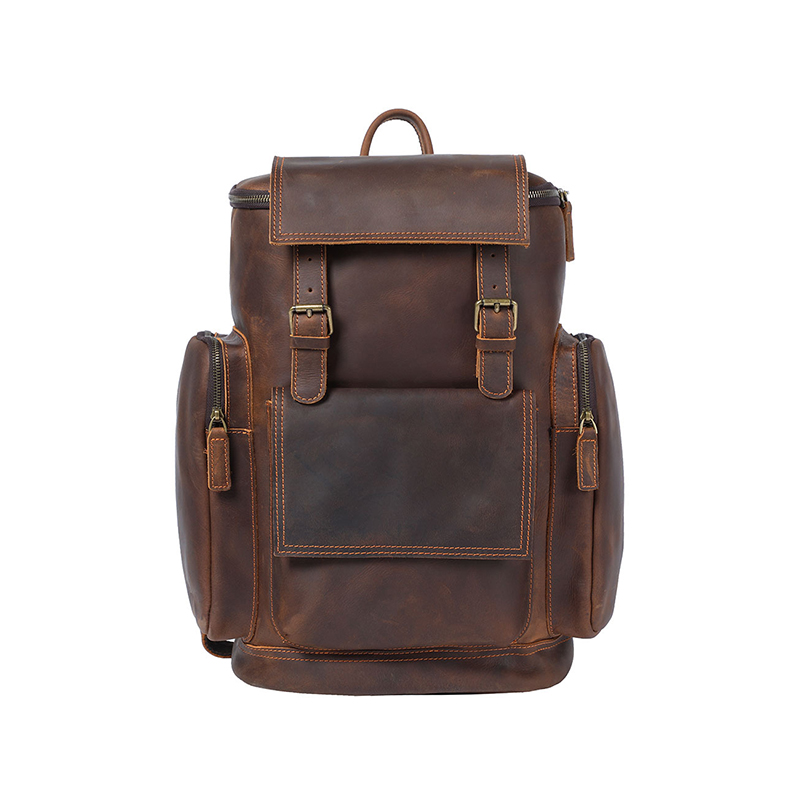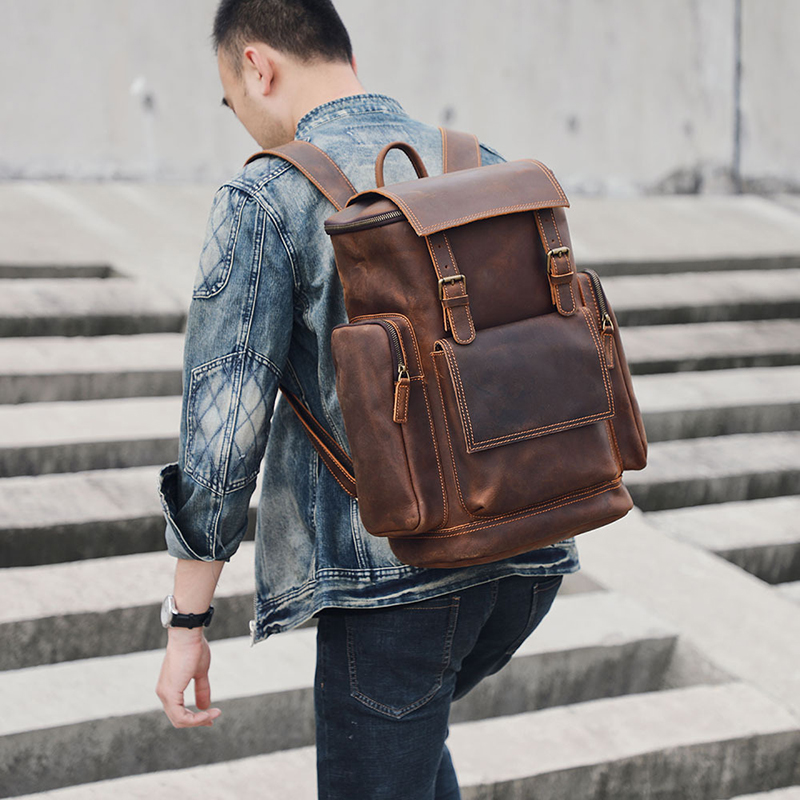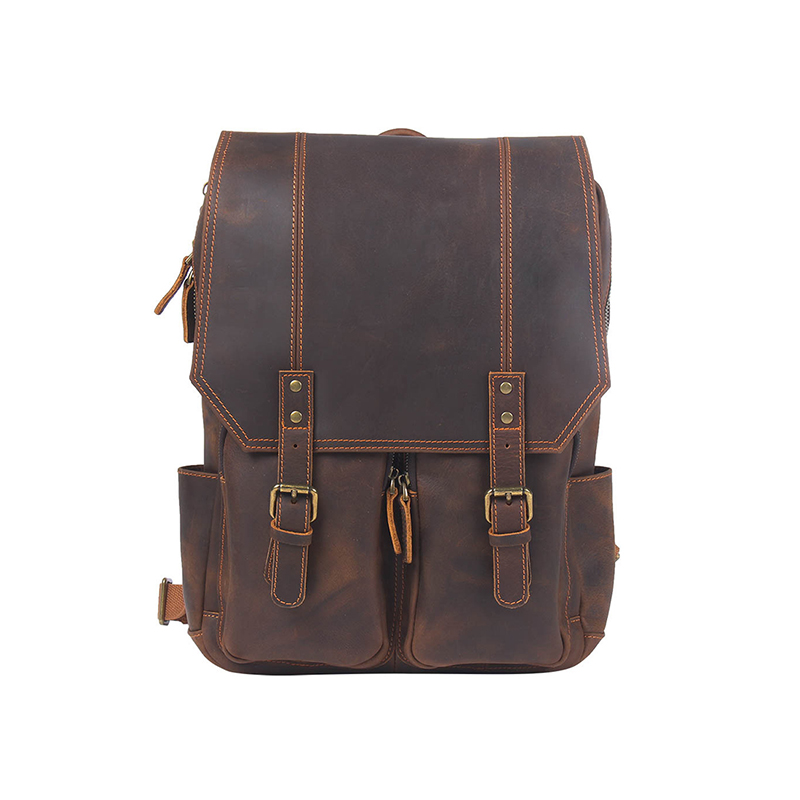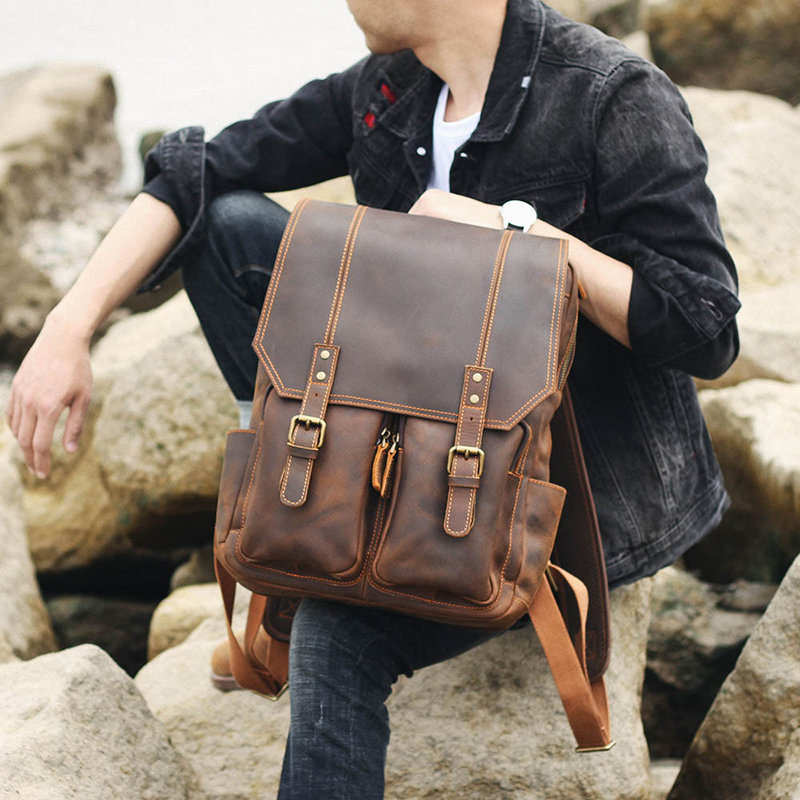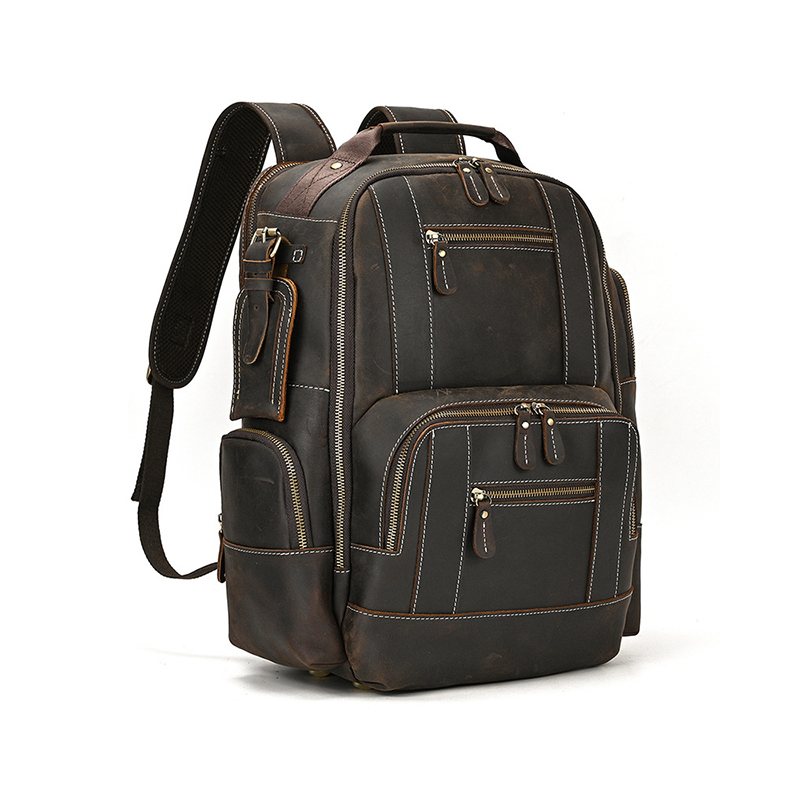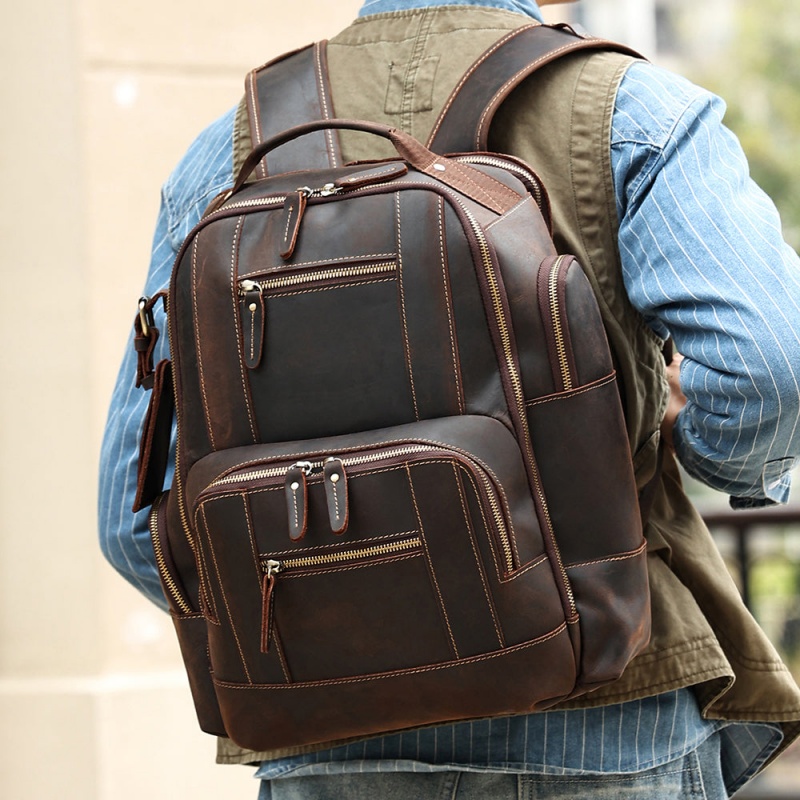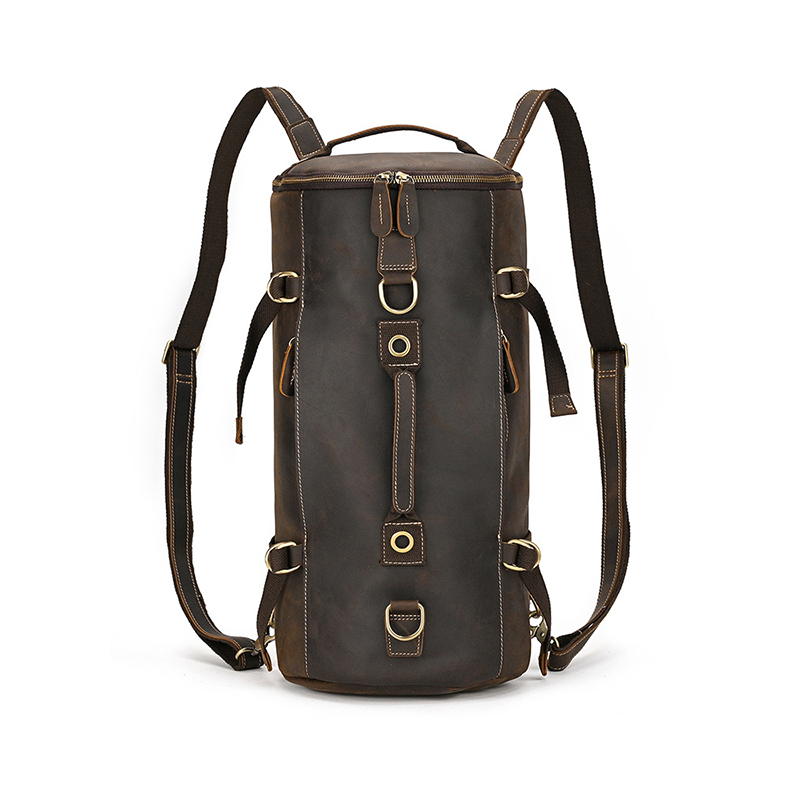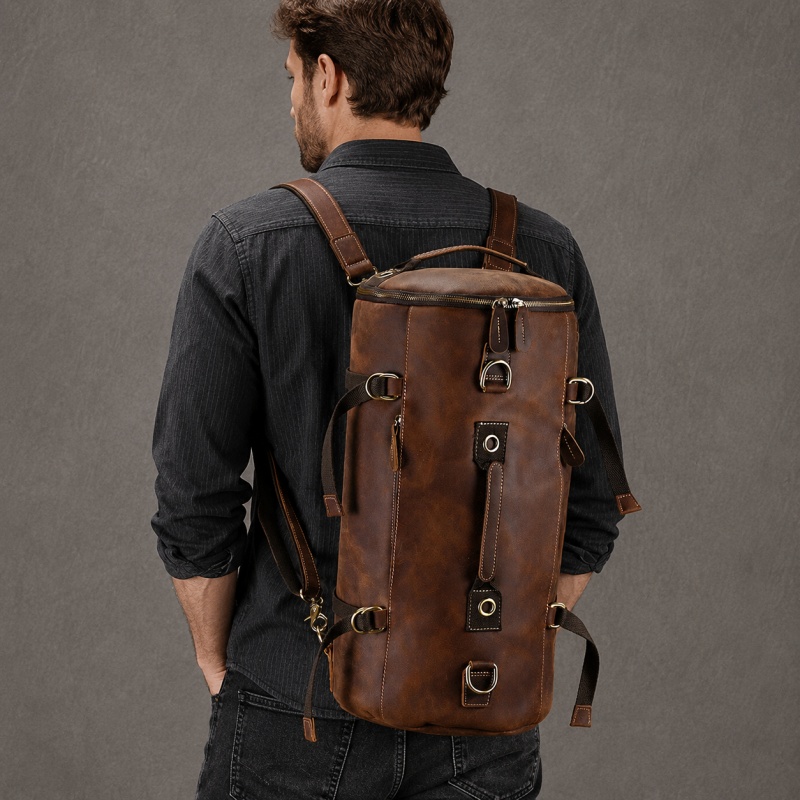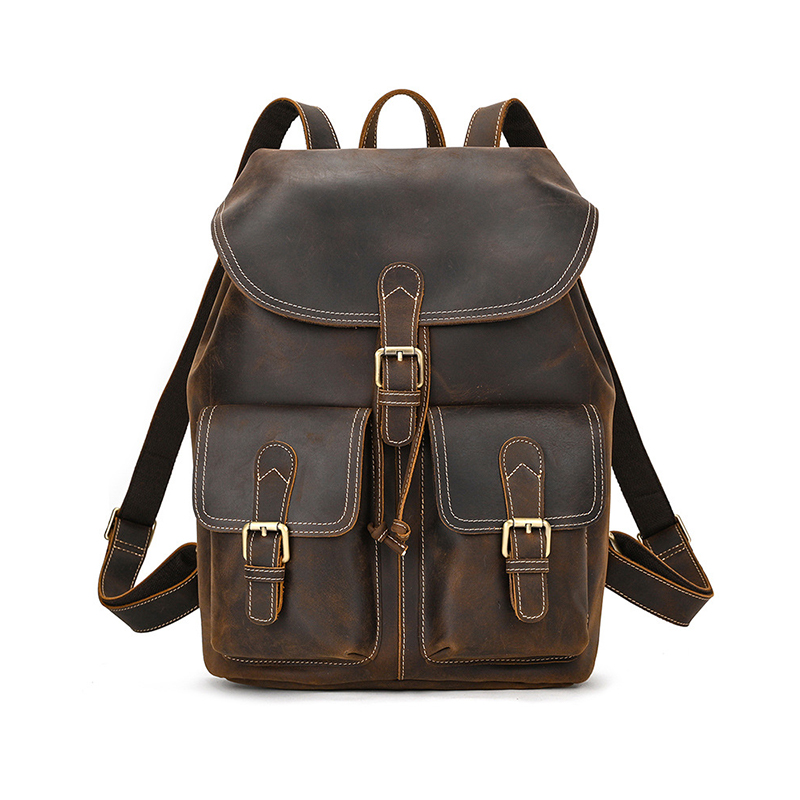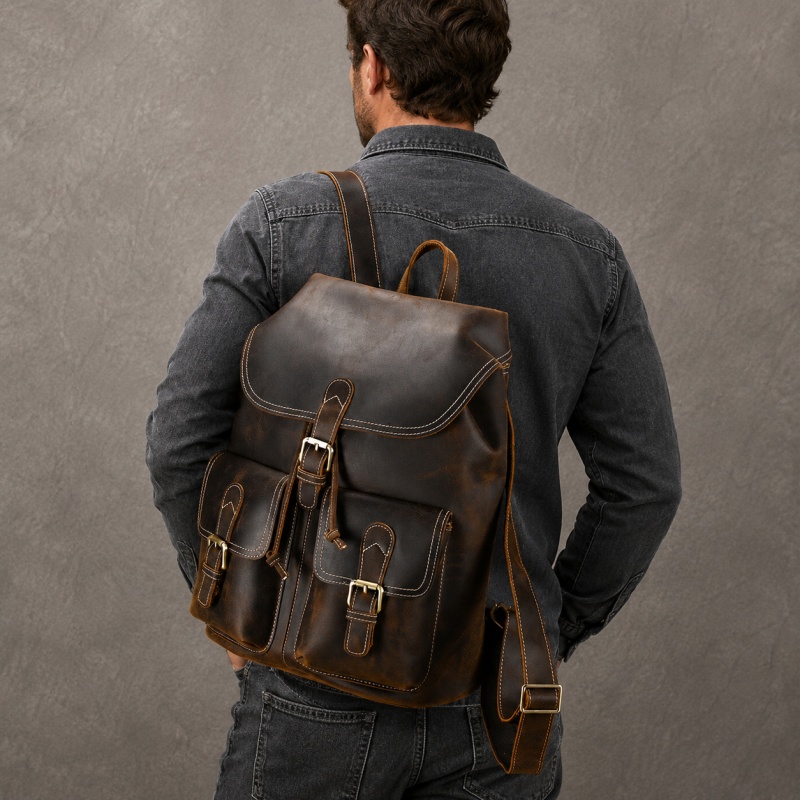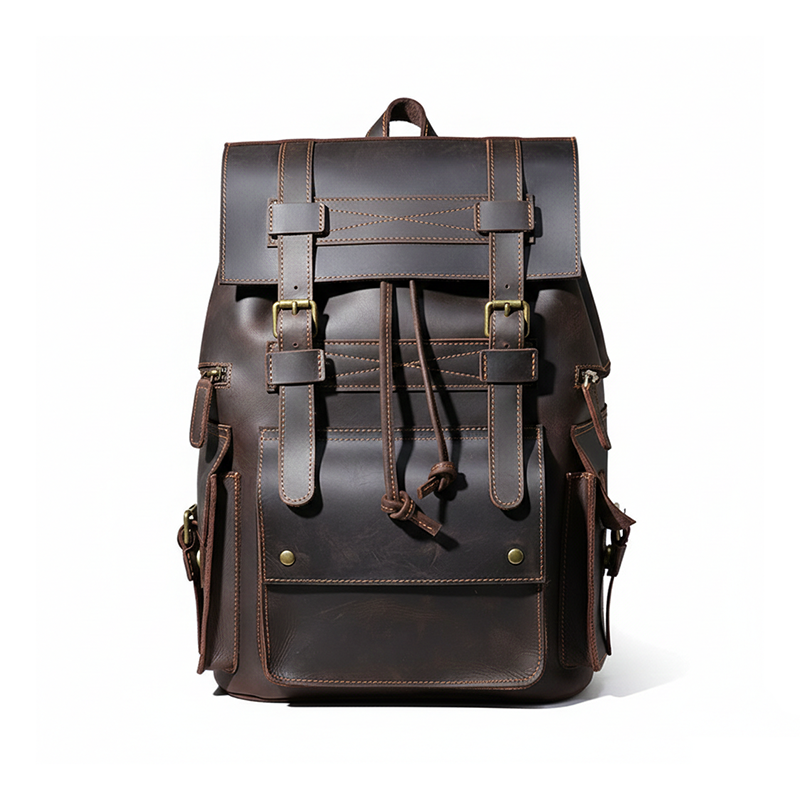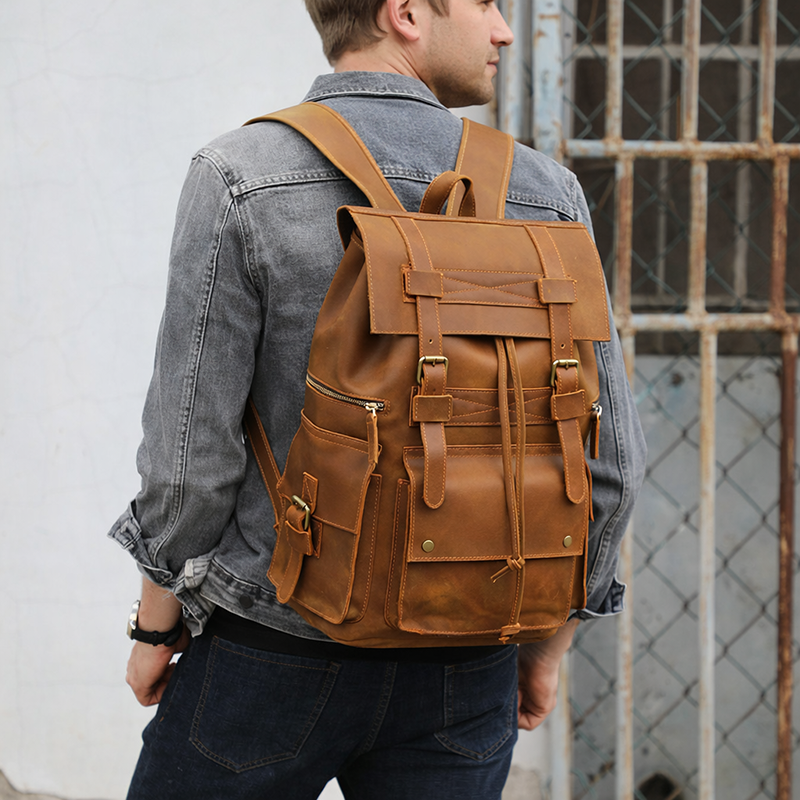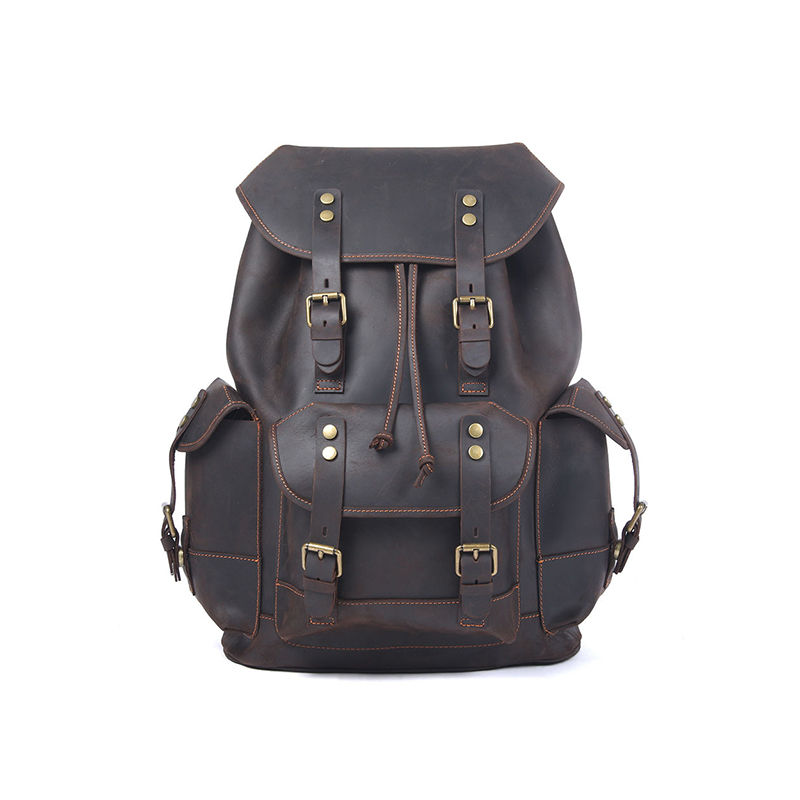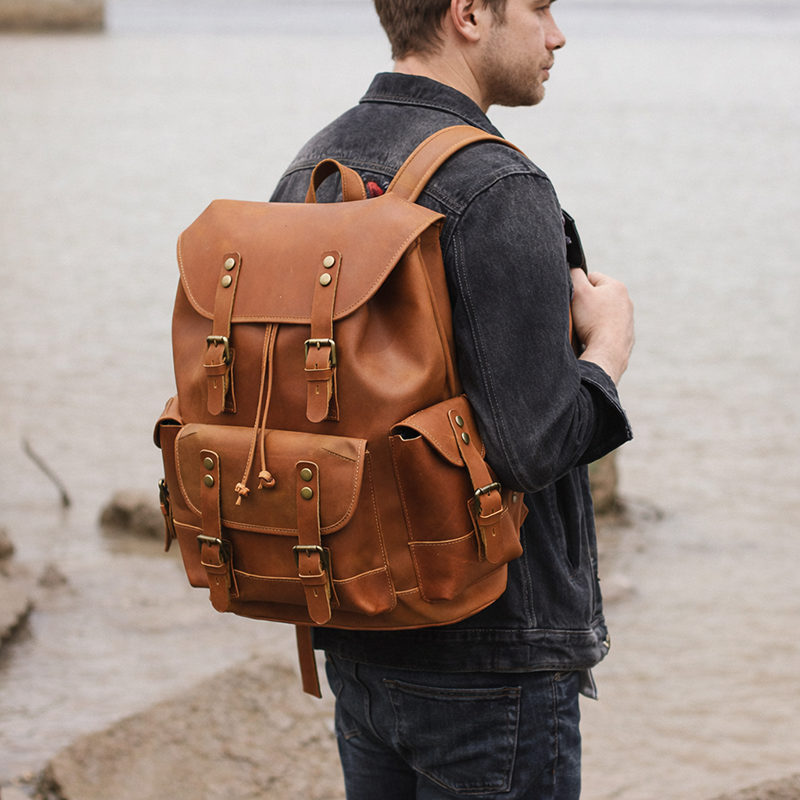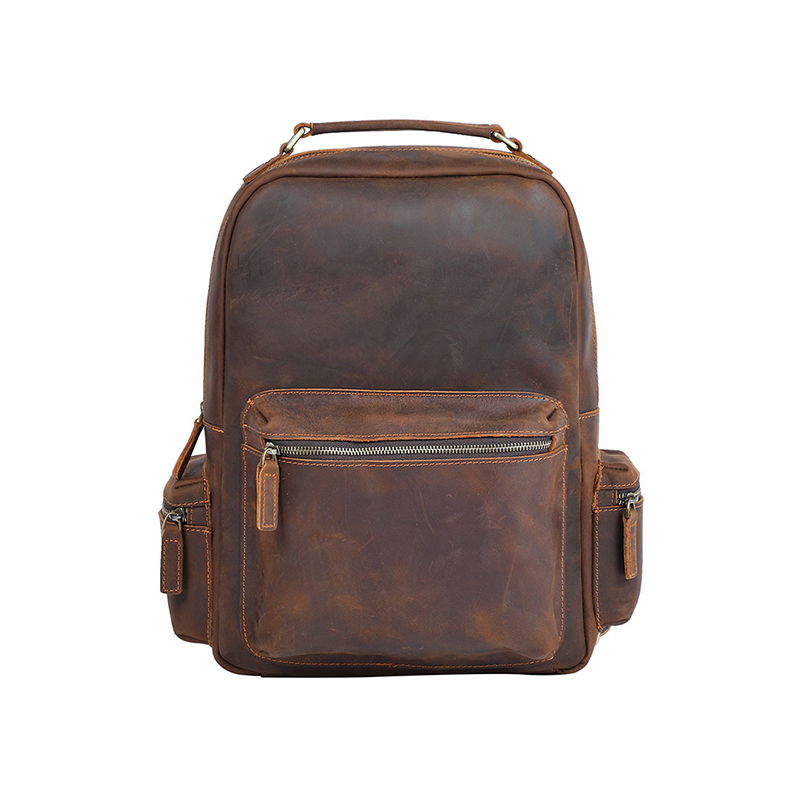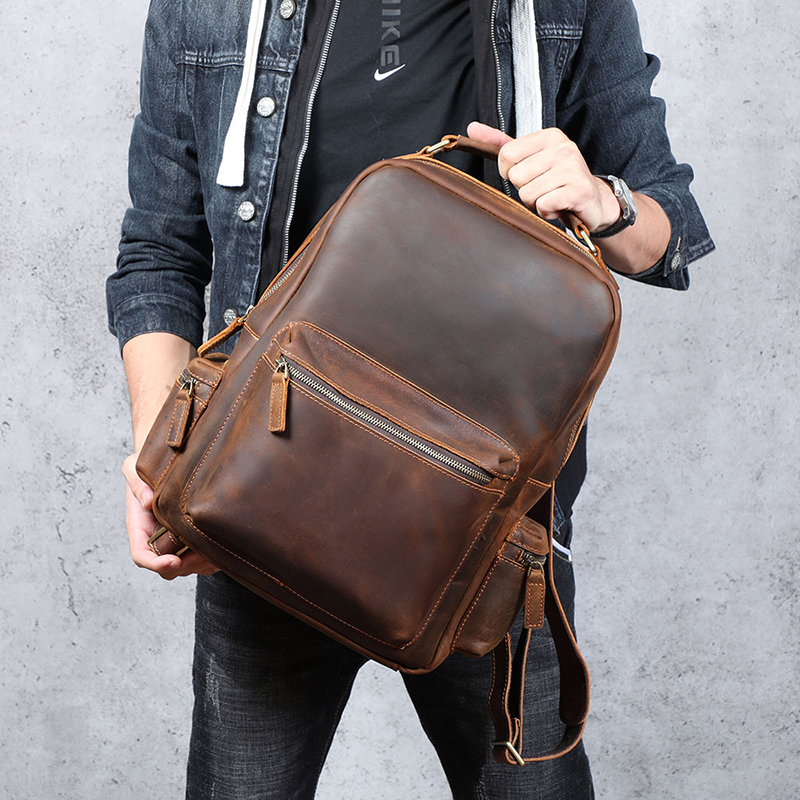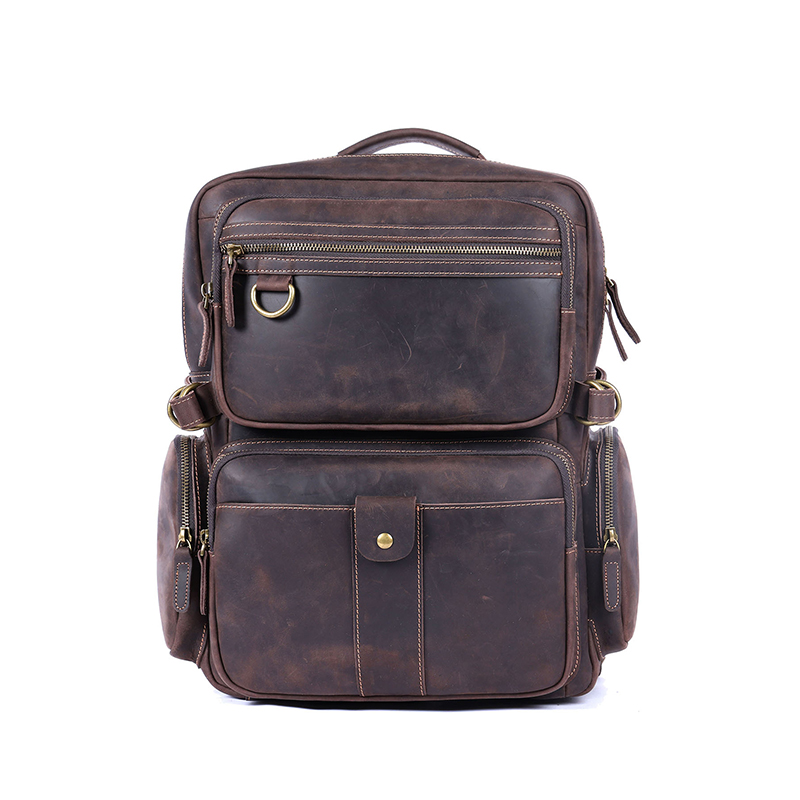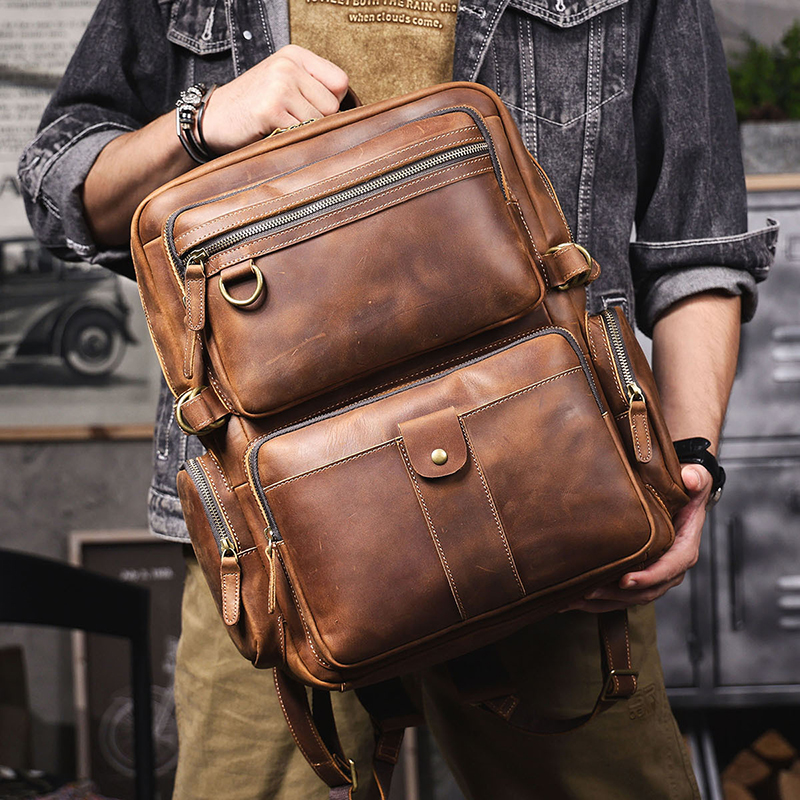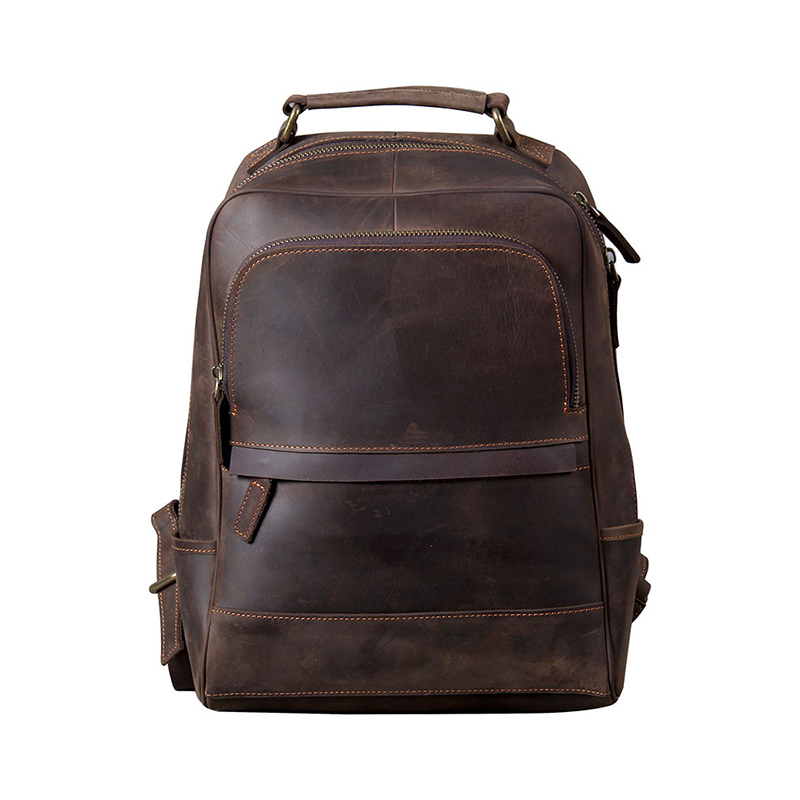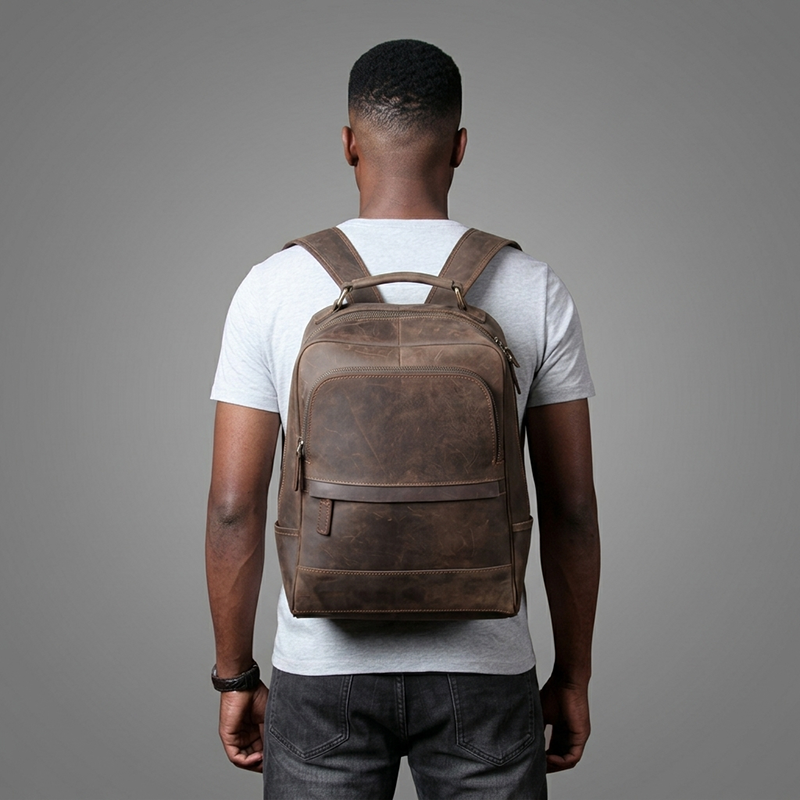
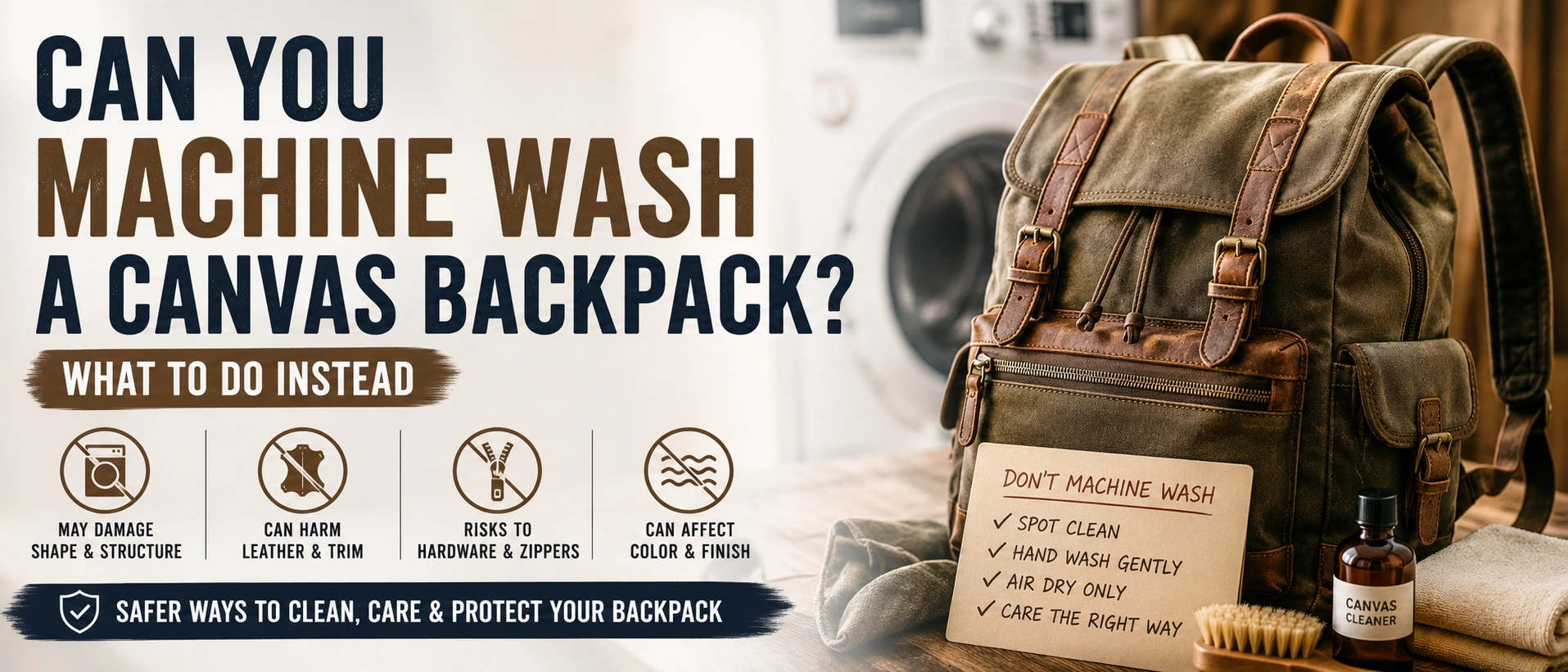
In most cases, you should not machine wash a canvas backpack, especially if it has leather trim, metal hardware, padding, lining, or a structured shape.
A washing machine may seem like the easiest way to clean a dirty canvas backpack, but it can do more harm than good. The safer method is usually spot cleaning, gentle hand cleaning, and air drying.
Canvas itself can be tough, but a backpack is not made from canvas alone. It also contains seams, straps, zippers, buckles, lining, padding, glue, and structural layers. These parts may react very differently to water, heat, and machine agitation.
The question is therefore not simply whether canvas can get wet.
The better question is whether the entire backpack was designed to survive a washing machine.
For most structured canvas backpacks, the answer is no.
Quick Answer: Should You Put A Canvas Backpack In The Washing Machine?
Some simple canvas items may tolerate machine washing, but most canvas backpacks should be treated more carefully.
| Backpack Type | Machine Wash? | Safer Option |
|---|---|---|
| Plain canvas tote | Sometimes, if the care label allows | Gentle hand wash |
| Simple canvas backpack | Usually not ideal | Spot clean or hand clean |
| Canvas backpack with leather trim | No | Spot clean canvas and wipe leather separately |
| Backpack with padding or laptop sleeve | No | Surface clean and air dry |
| Backpack with metal buckles or structured body | No | Brush, spot clean, and reshape while drying |
The care label should always come first. If the manufacturer specifically states that the backpack is machine washable, follow the listed temperature, cycle, and drying instructions.
When no clear instructions are provided, assume that a structured canvas backpack should not go into the washer.
A washing machine is usually too aggressive for a structured canvas backpack.
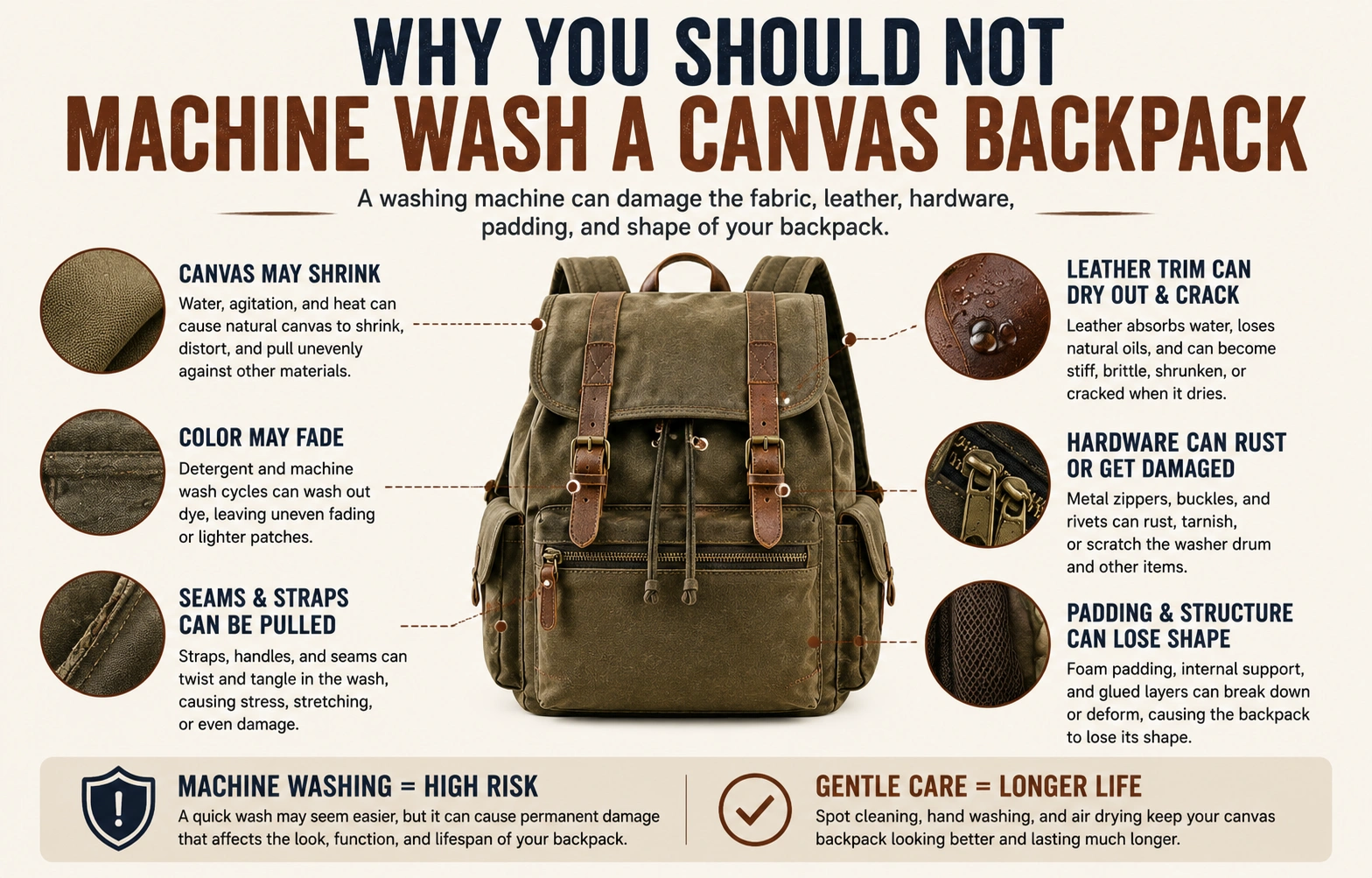
Why Machine Washing Can Damage A Canvas Backpack
Canvas has a reputation for durability, and for good reason. Heavy canvas can resist abrasion, repeated handling, and everyday wear.
That does not make every canvas product machine-safe.
A backpack is under much more construction stress than a simple tote bag or piece of fabric. The washing cycle twists, drops, pulls, and compresses the bag repeatedly. Even if the canvas survives, the structure around it may not.
Canvas May Shrink
Natural cotton canvas can shrink when exposed to water, agitation, or heat.
The amount of shrinkage depends on the weave, fiber content, treatment, and whether the fabric was preshrunk during production. Some canvas changes very little, while other canvas can tighten enough to affect the shape of the bag.
Shrinkage is especially problematic when the canvas is attached to leather trim, lining, or reinforced panels.
The materials may not shrink at the same rate. This can cause puckering, pulling around seams, or uneven edges.
The Backpack May Lose Its Shape
A structured backpack depends on more than the outer fabric.
It may contain:
- Reinforced base panels
- Foam padding
- Internal dividers
- Stiff backing material
- Layered fabric
- Glued sections
- Shaped seams
Machine washing can bend, fold, or compress these parts.
After drying, the backpack may no longer stand properly. The base may curl, the front panel may collapse, or the back panel may feel uneven.
This kind of damage is often difficult to reverse.
Color May Fade Or Become Uneven
Dark canvas can release dye during washing, especially when exposed to warm water or stronger detergent.
The result may be general fading, pale crease lines, or uneven patches around seams and reinforced areas.
Vintage-style canvas can also develop a washed appearance much faster than intended.
Some owners like natural fading from years of use. Sudden color loss caused by one machine cycle is different. It often looks irregular rather than naturally worn.
Coatings And Wax Finishes May Be Removed
Some canvas backpacks use wax, oil, resin, or another surface treatment to improve water resistance and texture.
Detergent can strip these finishes.
The agitation of the washing machine may also create visible creases or patchy areas where the treatment has been disturbed.
A coated or waxed canvas backpack may come out looking lighter, drier, or less resistant to moisture than before.
For more context on how fabric, coatings, and construction affect water performance, read are canvas backpacks waterproof.
Seams And Straps Can Be Pulled
Backpack straps create leverage during a wash cycle.
They can wrap around other parts of the bag or become trapped against the drum. This places sudden force on the stitching and attachment points.
The same can happen with:
- Carry handles
- Compression straps
- Long zipper pulls
- Buckled straps
- Loose webbing
- Decorative leather tabs
A seam that handles normal carrying weight may still be damaged by repeated twisting in a washing machine.
Lining And Glue May Loosen
Not every internal section is held together by stitching alone.
Some linings, reinforcement panels, and foam layers use adhesive. Long water exposure can weaken these bonded areas.
The lining may wrinkle, detach, or bunch inside the backpack. Internal pockets can also lose their original shape.
Canvas is durable, but durable does not mean machine-proof. A backpack has seams, lining, zippers, straps, padding, and structure that a washing machine can easily stress.
Backpacks also combine many different materials. Our guide to what backpacks are made of explains how fabric, leather, foam, lining, hardware, and reinforcement work together.
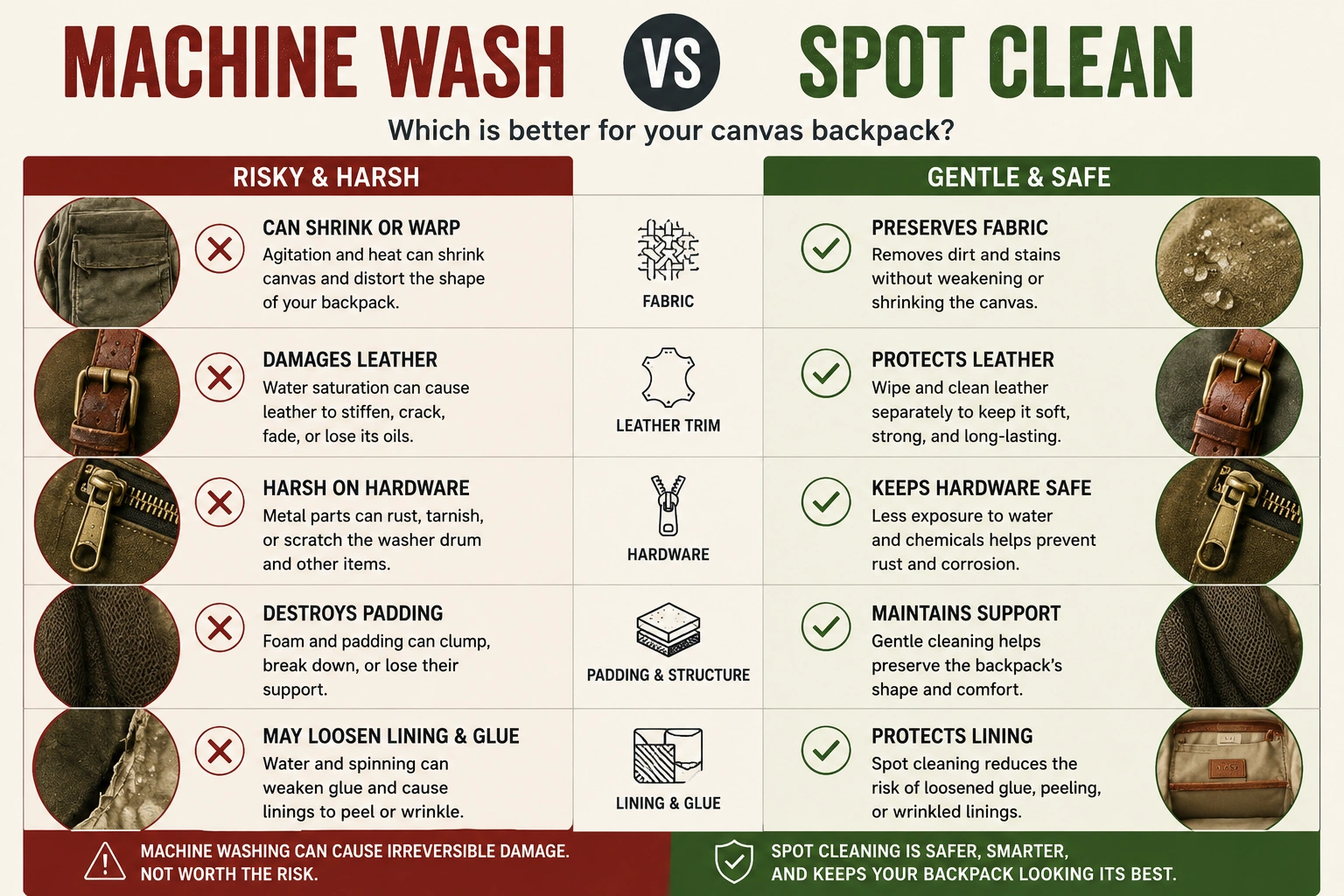
What Happens To Leather Trim In The Washing Machine?
Leather and washing machines are a poor combination.
Leather is a natural material that absorbs water. When it becomes saturated, the fibers can swell and lose some of the oils that keep the material flexible.
As the leather dries, several problems may appear.
The Leather May Become Hard
After being soaked and rapidly dried, leather may feel stiff or board-like.
This is especially noticeable on straps, flap edges, handles, and zipper pull tabs. Parts that once moved naturally may become difficult to bend.
The Leather May Shrink Or Wrinkle
Water can affect the shape of leather.
Thin trim may curl. Straps may wrinkle. Leather stitched tightly to canvas may pull against the fabric as it dries.
Because canvas and leather react differently to water, the final shape may become uneven.
The Color May Darken Unevenly
Wet leather often becomes darker.
Sometimes the original color returns as the leather dries. In other cases, water marks, dark edges, or patchy areas remain.
Detergent can make the result less predictable by affecting oils, dye, and surface finishes.
The Surface May Crack After Drying
Leather does not usually crack simply because it becomes wet once. The larger risk comes from losing oils, drying too quickly, or being exposed to heat afterward.
A wet leather strap placed in a dryer or direct sunlight may become dry and brittle.
Repeated bending can then produce surface cracks.
Edge Paint And Adhesive May Fail
Some leather trim uses painted edges, bonded layers, or adhesive reinforcement.
Long water exposure may soften these finishes. Edge coating can lift, glue can weaken, and layered leather parts may begin separating.
Leather And Metal Connections Can Distort
Leather straps are often attached to metal rings, rivets, buckles, or hooks.
During machine agitation, the metal part can pull sharply against wet leather. Because saturated leather is softer and more vulnerable, holes may stretch or attachment points may deform.
If your canvas backpack has leather straps, leather trim, or leather pull tabs, it should not go in the washing machine.
Can You Machine Wash A Backpack With A Laptop Compartment?
A backpack with a laptop compartment should generally not be machine washed.
Laptop sleeves depend on structure.
They often contain foam, layered fabric, lining, or reinforced panels designed to separate the computer from the rest of the bag. Machine washing can alter these materials even when the damage is not immediately visible.
Padding Can Become Uneven
Foam padding may absorb water and compress during the wash cycle.
When it dries, it may no longer return to its original shape. The padding can become lumpy, folded, or thinner in certain areas.
A sleeve that looks normal from the outside may therefore offer less even protection.
The Back Panel May Bend
Many laptop backpacks include a firmer back panel to help the bag hold its shape and prevent the computer from pressing directly against the wearer.
The washing machine can repeatedly bend this panel.
If it dries in the wrong position, the backpack may remain curved or twisted.
Internal Layers May Separate
Laptop compartments often contain multiple layers.
The outer fabric, padding, lining, and reinforcement may be stitched in some areas and bonded in others. Water and agitation can cause these layers to shift or separate.
Moisture Can Remain Trapped
Thick padding takes longer to dry than the visible canvas surface.
The backpack may feel dry outside while moisture remains inside the laptop sleeve or back panel. This trapped dampness can lead to odor, mildew, or deterioration of adhesive.
A laptop compartment needs structure. Machine washing can damage that structure, which is exactly what helps protect the laptop.
When Machine Washing Might Be Acceptable
There are limited situations where machine washing may be acceptable.
A canvas item is a better candidate when all of the following are true:
- The care label specifically allows machine washing
- The bag is made from plain canvas
- It has no leather trim
- It has no metal buckles or heavy hardware
- It has no foam padding
- It has no laptop sleeve
- It has no rigid internal support
- It has no wax, coating, or special surface treatment
- The color is known to be washable
- The straps and seams are simple and secure
A basic unstructured canvas daypack may meet these conditions. A plain canvas tote is even more likely to be washable.
Even then, the lowest-risk method would usually involve cold water, a gentle cycle, mild detergent, and air drying.
The bag should be placed inside a laundry bag or pillowcase so that loose straps do not catch on the drum.
However, machine washing still carries some risk of fading, shrinkage, or loss of shape.
Even when machine washing is technically possible, hand cleaning is usually safer if you care about the shape, color, and long-term appearance of the bag.
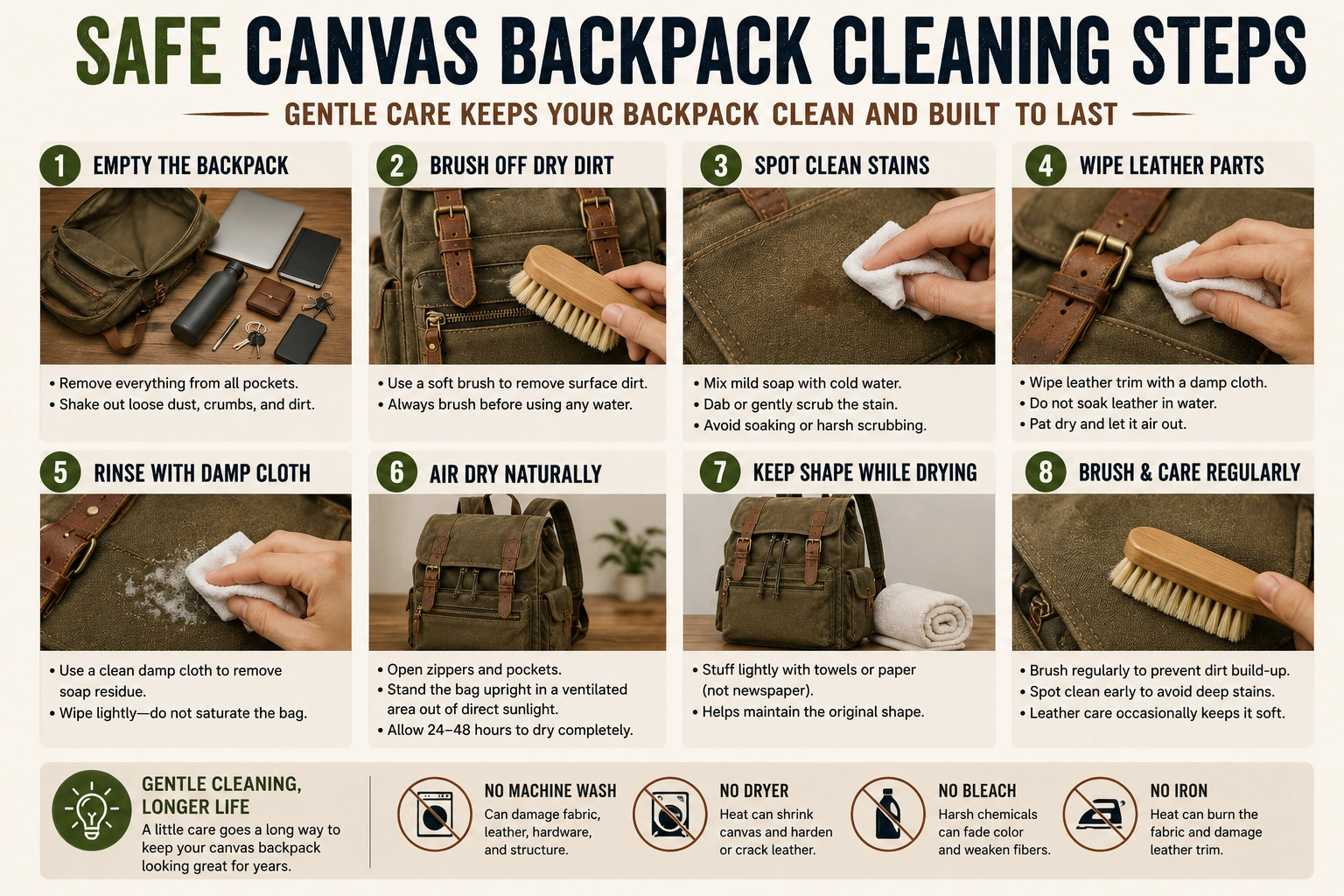
What To Do Instead: The Safer Way To Clean A Canvas Backpack
Most dirty canvas backpacks do not need to be fully soaked.
Dust, surface marks, food spots, mud, and normal daily grime can usually be handled with targeted cleaning.
The goal is to use the least aggressive method that solves the problem.
1. Empty The Backpack Completely
Remove everything before cleaning.
Check:
- The main compartment
- Front pockets
- Hidden zipper pockets
- Laptop sleeve
- Side pockets
- Small internal organizers
Remove loose paper, receipts, coins, food crumbs, sand, and other debris.
Turn the backpack upside down and shake it gently. A handheld vacuum can also be useful for the lining and corners.
Do not begin adding water while dirt and grit are still inside. Wet debris is harder to remove and may spread into the fabric.
2. Brush Off Dry Dirt First
Dry dirt should be removed while it is still dry.
Use a soft clothes brush, clean shoe brush, or soft toothbrush. Brush gently in the direction of the fabric weave.
Dried mud is usually easier to remove after it has hardened. Trying to scrub wet mud may push it deeper into the canvas.
Pay attention to:
- Bottom corners
- Seams
- Strap attachment points
- Flap edges
- Areas around buckles
- The lower back panel
This step may remove more dirt than expected without using water at all.
3. Spot Clean Stains
Mix a small amount of mild soap with cold or lukewarm water.
Avoid bleach, strong stain removers, heavy laundry detergent, and aggressive household cleaners.
Test the solution on a hidden area first. This is especially important for dark, dyed, coated, or vintage-style canvas.
Use a soft cloth or soft brush to work on the stained area.
Do not flood the fabric.
Apply a small amount of solution, blot or brush gently, and repeat if necessary. Scrubbing hard can create a pale patch that is more noticeable than the original stain.
Work from the outside of the stain toward the center so that it does not spread.
For a more complete step-by-step cleaning process, see how to clean a canvas backpack.
4. Wipe Leather Parts Separately
Do not use the canvas cleaning solution freely across leather trim.
For normal surface dust, wipe leather with a soft, slightly damp cloth. Follow immediately with a dry cloth to remove excess moisture.
Do not soak:
- Leather handles
- Shoulder strap details
- Buckle tabs
- Flap trim
- Reinforcement patches
- Zipper pull tabs
If the leather feels dry after cleaning, a small amount of suitable leather conditioner may help restore flexibility. Test it first because conditioners can darken some leather.
Avoid conditioning leather while it is still wet.
5. Remove Soap With A Damp Cloth
After spot cleaning, use a separate clean cloth dampened with plain water.
Wipe the cleaned area to remove soap residue.
Do not rinse the entire backpack under a tap unless the manufacturer specifically allows full hand washing. Running water can soak padding, lining, and hidden internal layers unnecessarily.
The cloth should be damp rather than dripping wet.
Several light passes are safer than one heavy soaking.
6. Air Dry Naturally
Open all zippers, flaps, and pockets.
Place the backpack in a well-ventilated area away from direct sunlight, radiators, hair dryers, and other heat sources.
Reshape the backpack while it is damp.
If necessary, loosely fill the inside with clean dry towels or plain paper to help support the shape. Do not pack it tightly, because airflow is still needed.
Replace damp towels if they absorb a large amount of moisture.
Allow the backpack to dry fully before storing it or placing a laptop inside.
Spot cleaning is slower than machine washing, but it protects the fabric, leather, hardware, and shape much better.
Can You Put A Canvas Backpack In The Dryer?
No, you should not put a canvas backpack in the dryer.
A dryer combines heat with repeated tumbling, creating many of the same risks as machine washing and adding several more.
Heat Can Shrink Canvas
Cotton canvas may tighten under heat.
Even slight shrinkage can distort seams, flap alignment, pockets, or areas where canvas is connected to leather.
Leather Can Harden
Dryer heat removes moisture quickly.
Leather parts may become stiff, dry, curled, or brittle. The finish may also change.
Adhesive Can Soften Or Fail
Heat can affect glue used inside laminated panels, reinforced sections, lining, padding, and leather trim.
The damage may not appear immediately. Layers may begin separating after later use.
Padding Can Deform
Foam does not always respond well to heat and tumbling.
It may flatten, fold, or develop uneven areas.
Metal Hardware Can Cause Damage
Buckles, hooks, rings, and zipper pulls can strike the dryer drum repeatedly.
This can scratch the hardware, damage finishes, bend smaller parts, or tear the fabric around attachment points.
The Backpack Can Dry In The Wrong Shape
A backpack tumbling while wet has little control over how panels fold or twist.
Once heated and dried, creases may become difficult to remove.
Use air drying instead.
Press a clean towel against damp areas to absorb excess water, reshape the bag, and leave it open in a shaded, ventilated space.
Drying may take approximately 24–48 hours, depending on the backpack thickness, padding, humidity, airflow, and how much water was used.
Do not use the backpack until the deepest layers are fully dry.
How To Remove Odor Without Machine Washing
A backpack does not always need washing simply because it smells.
Odor usually comes from trapped moisture, food, sweat, or poor storage.
The first step is identifying the likely source.
Empty And Air Out The Bag
Remove all contents and open every compartment.
Leave the backpack in a dry, ventilated place. Sometimes several hours of fresh air is enough to reduce a mild storage smell.
Avoid leaving it in strong direct sunlight for long periods, because this may fade the canvas or dry the leather.
Clean The Lining
Use a lightly damp cloth with a small amount of mild soap to wipe the interior lining.
Focus on areas where food, drinks, or sweat may have transferred.
Follow with another damp cloth to remove soap residue, then leave all compartments open until completely dry.
Use Baking Soda Carefully
Baking soda can help absorb odor.
Place a small open container or fabric pouch of baking soda inside the dry backpack and leave it overnight. This is cleaner than pouring loose powder directly into every pocket.
If loose baking soda is used, vacuum it out thoroughly afterward.
Do not mix baking soda into a wet paste and spread it across dyed canvas or leather without testing, because it may leave marks or affect the surface.
Do Not Cover Odor With Heavy Fragrance
Spraying perfume or air freshener inside the bag may hide the smell temporarily, but it does not remove the source.
Strong fragrance can also remain in padding and lining for a long time.
Never Store The Backpack Damp
A backpack should be completely dry before it is closed and stored.
Even mild residual moisture can create a stale smell inside a dark compartment.
Odor usually comes from trapped moisture, food, sweat, or poor storage. Washing the whole backpack is not always necessary.
How Often Should You Clean A Canvas Backpack?
A canvas backpack does not need frequent deep cleaning.
Overcleaning creates its own problems. Repeated wetting can fade the fabric, dry leather trim, disturb coatings, and place unnecessary stress on the construction.
Light maintenance is usually more effective.
Brush Off Dust Regularly
A soft brush can remove surface dust before it becomes embedded.
This is particularly useful around the base, seams, pockets, and back panel.
Treat Small Stains Early
A fresh stain is often easier to remove than an old one.
Blot spills quickly and spot clean only the affected area. Waiting until the entire backpack looks dirty may make cleaning more difficult.
Deep Clean Only When Necessary
A more thorough hand cleaning may be needed after heavy travel, muddy outdoor use, food spills, or long periods without maintenance.
It should not be part of a weekly routine.
Care For Leather Separately
Leather trim should be wiped and conditioned according to its own condition, not every time the canvas is cleaned.
Too much conditioner can make leather overly soft, sticky, or darker than expected.
A canvas backpack does not need to be washed often. It needs consistent light care.
Canvas And Leather Backpacks Need Gentler Care
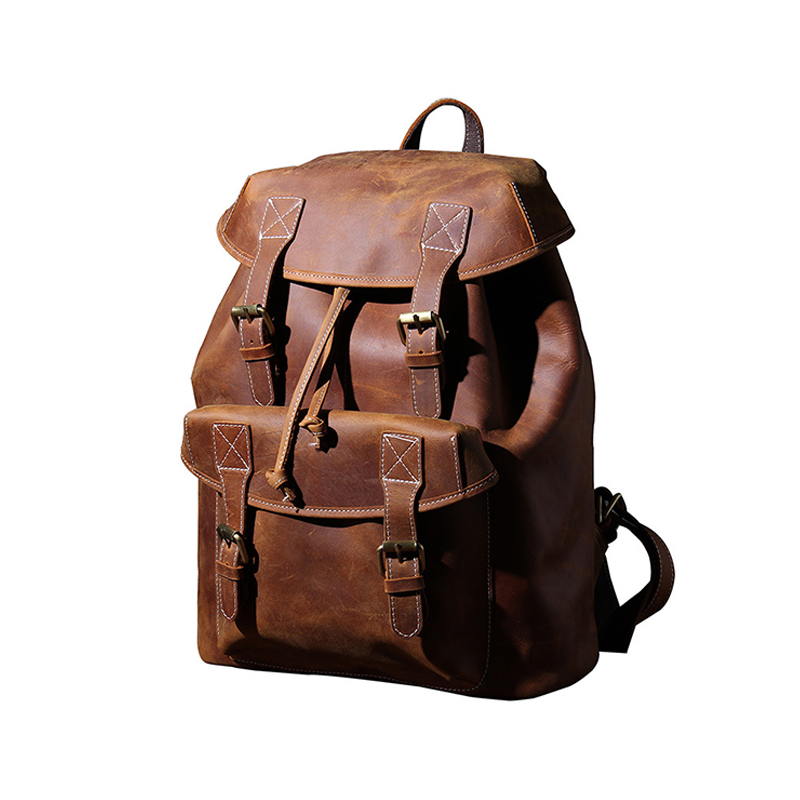
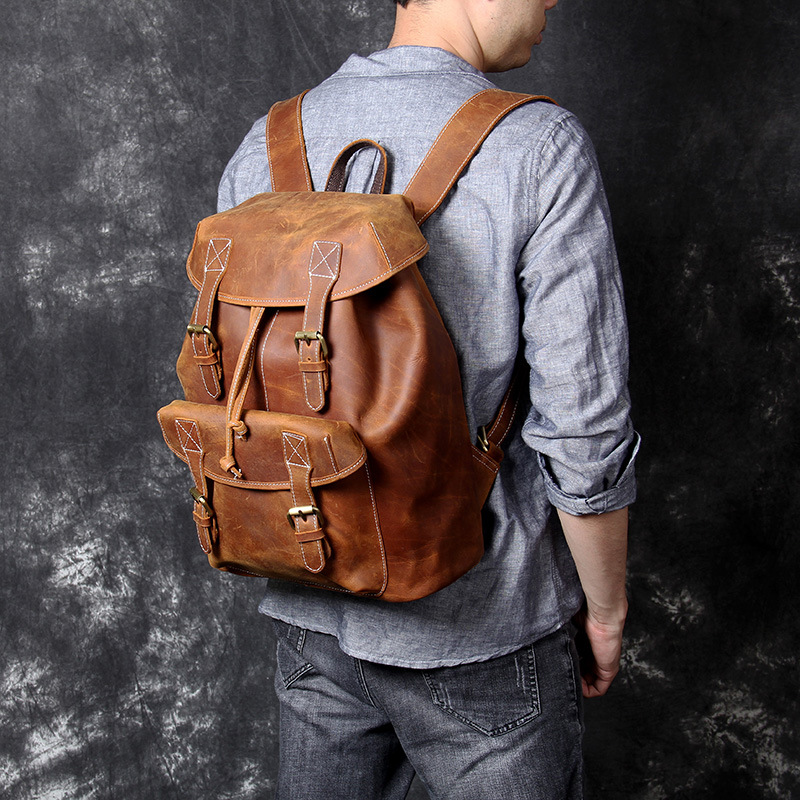
A canvas and leather backpack is not meant to be treated like a basic washable fabric bag.
Its appeal comes from the combination of materials.
Canvas provides flexibility, texture, and everyday durability. Leather adds structure, reinforcement, and visual character. Metal hardware, layered straps, lining, and stitched details complete the construction.
These materials do not respond to washing in the same way.
A cleaning method that seems harmless to the canvas may damage the leather. A long soak that removes a stain may leave water trapped inside the padding. A hot dryer that speeds up the process may distort the bag permanently.
Gentler care protects the relationship between these materials.
It also allows the backpack to develop natural signs of use rather than artificial damage from aggressive washing.
Small color changes, softened canvas, and light marks can become part of how a well-used bag ages. Shrinkage, hardened leather, warped padding, and separated lining are not patina.
If you use a canvas and leather backpack for commuting, work, or weekend travel, gentle cleaning is the better long-term habit.
Explore our collection of canvas and leather backpacks designed for everyday work, travel, and casual use.
Final Verdict: Can You Machine Wash A Canvas Backpack?
In most cases, you should not machine wash a canvas backpack.
This is especially true when the backpack includes:
- Leather trim
- Leather straps
- Metal buckles
- Heavy hardware
- Lining
- Padding
- A laptop compartment
- Reinforced panels
- A structured base
- Waxed or coated canvas
A washing machine may save time, but it also removes your control over agitation, water exposure, and how the backpack holds its shape.
The safer approach is straightforward:
- Empty the backpack.
- Brush off dry dirt.
- Spot clean stained canvas.
- Wipe leather separately.
- Remove soap with a damp cloth.
- Reshape and air dry naturally.
Machine washing may be acceptable for a very simple unstructured canvas bag when the care label specifically permits it. That exception should not be applied to every canvas backpack.
The safest way to clean a canvas backpack is not to machine wash it, but to spot clean the fabric, wipe leather parts separately, and let the bag air dry naturally.
Frequently Asked Questions
Can I Put A Canvas Backpack In The Washing Machine?
In most cases, no.
A washing machine can shrink canvas, fade color, pull seams, damage coatings, deform padding, and affect the overall shape of the backpack.
Only consider machine washing if the care label clearly permits it and the backpack has no leather, heavy hardware, padding, laptop sleeve, rigid support, or special surface treatment.
Will Canvas Shrink In The Washing Machine?
Canvas can shrink, especially when it contains cotton and is exposed to warm water, agitation, or dryer heat.
The amount of shrinkage depends on the fabric and how it was treated during production.
Even minor shrinkage can distort a backpack when the canvas is connected to lining, leather trim, or reinforced panels.
Can You Wash A Canvas Backpack With Leather Straps?
A canvas backpack with leather straps should not be machine washed or fully soaked.
Leather can absorb water, darken, stiffen, shrink, wrinkle, or crack after drying. Clean the canvas locally and wipe leather parts separately with a slightly damp cloth.
Can You Wash A Backpack With Metal Buckles?
Machine washing a backpack with metal buckles is not recommended.
The hardware can strike the washing machine drum, damage its finish, bend, or pull against the fabric and leather attachment points.
Brush and spot clean around metal hardware instead.
Can I Put A Canvas Backpack In The Dryer?
No.
Dryer heat can shrink canvas, harden leather, weaken adhesive, deform padding, and cause the backpack to dry in the wrong shape.
Air dry the backpack in a shaded, ventilated area.
How Do You Clean A Canvas Backpack Without Washing It?
Empty the backpack, shake out debris, brush off dry dirt, and spot clean stains with cold water and mild soap.
Wipe away soap residue with a clean damp cloth. Clean leather trim separately and let the entire backpack air dry naturally.
How Do You Remove Smell From A Canvas Backpack?
Empty the backpack and leave all compartments open in a ventilated area.
Wipe the lining with a lightly damp cloth, remove any food or debris, and allow it to dry fully. Baking soda placed inside a small open container or fabric pouch may help absorb remaining odor.
Do not store the backpack while it is damp.
How Long Does A Canvas Backpack Take To Air Dry?
A lightly spot-cleaned backpack may dry within several hours.
A backpack that became wetter may require 24–48 hours, especially if it has thick canvas, padding, lining, or a laptop compartment.
Humidity, airflow, temperature, and construction all affect drying time. Wait until the deepest layers are completely dry before using or storing the backpack.