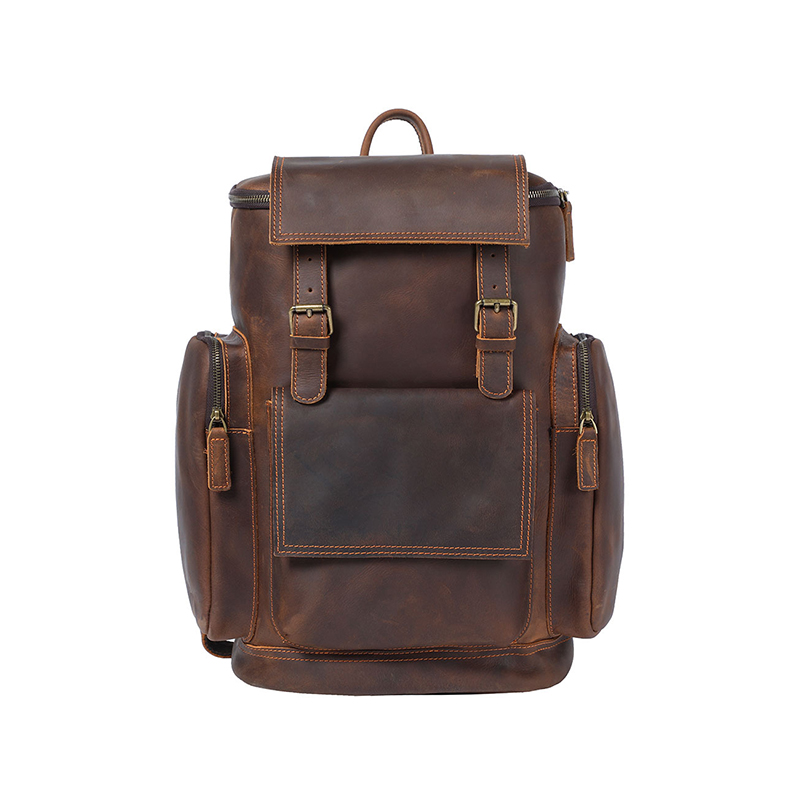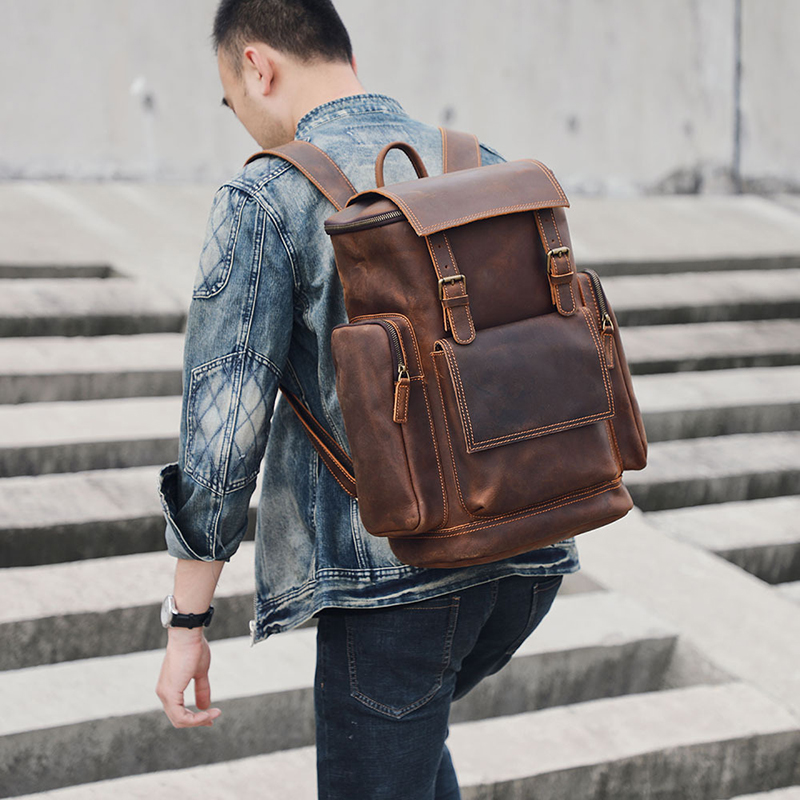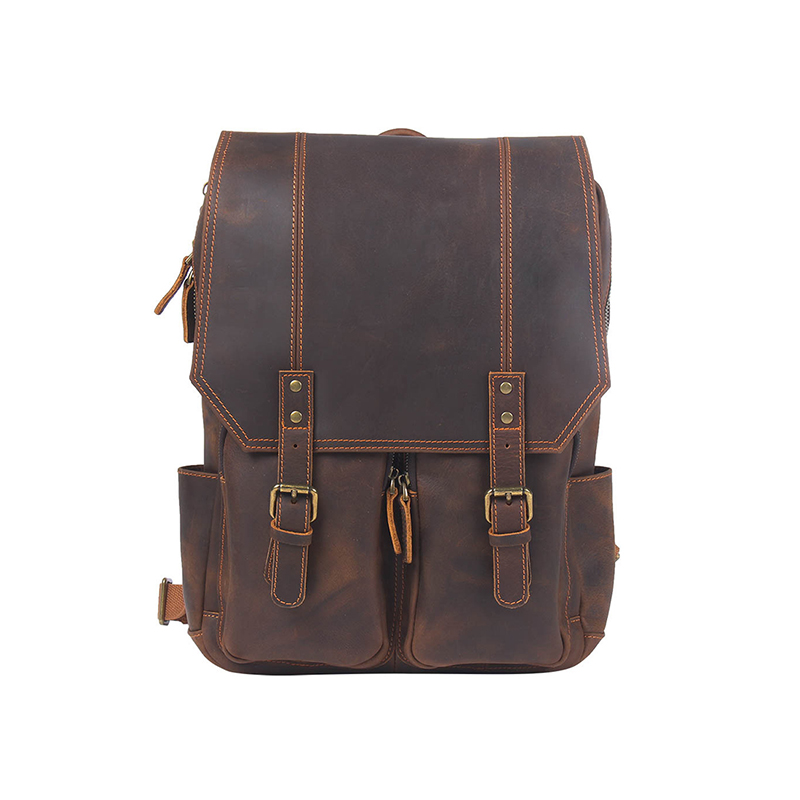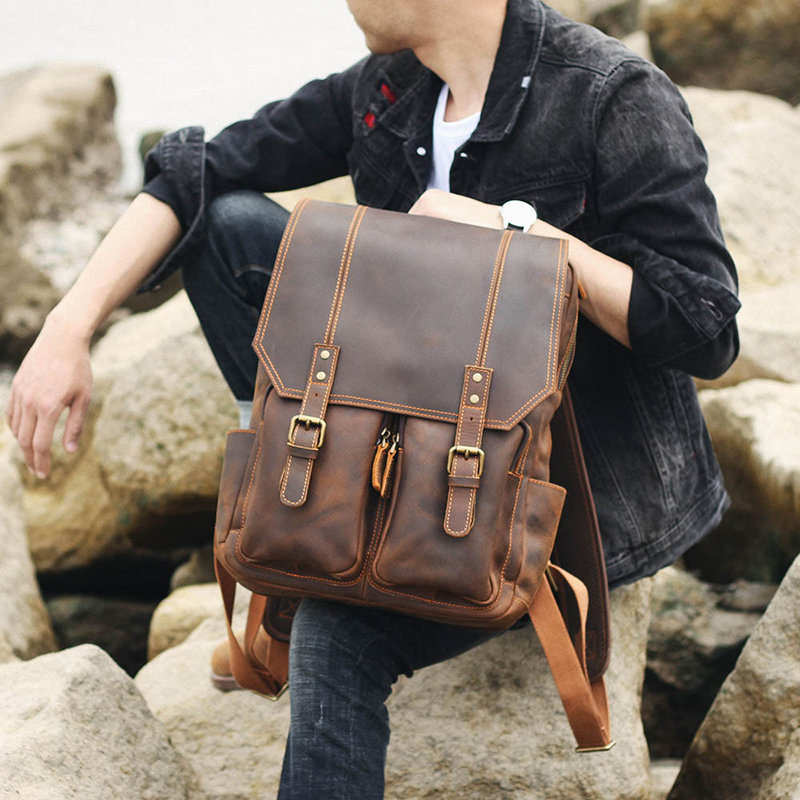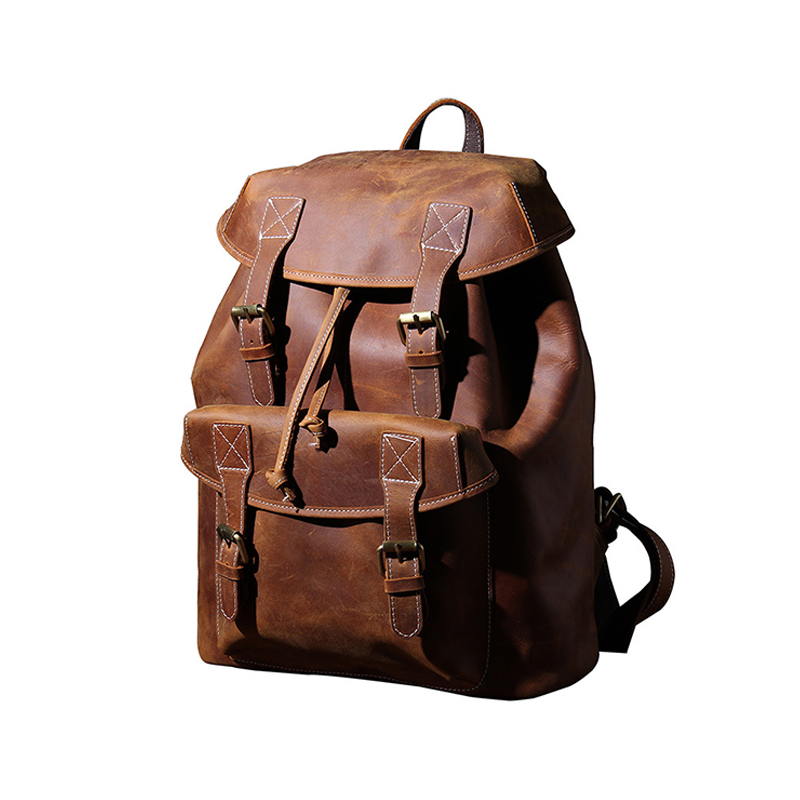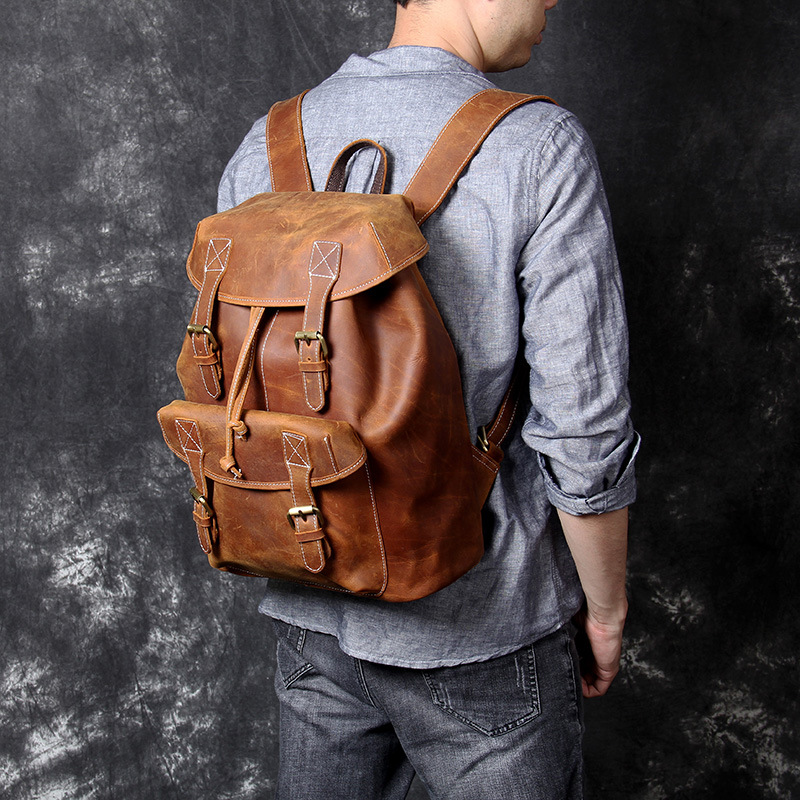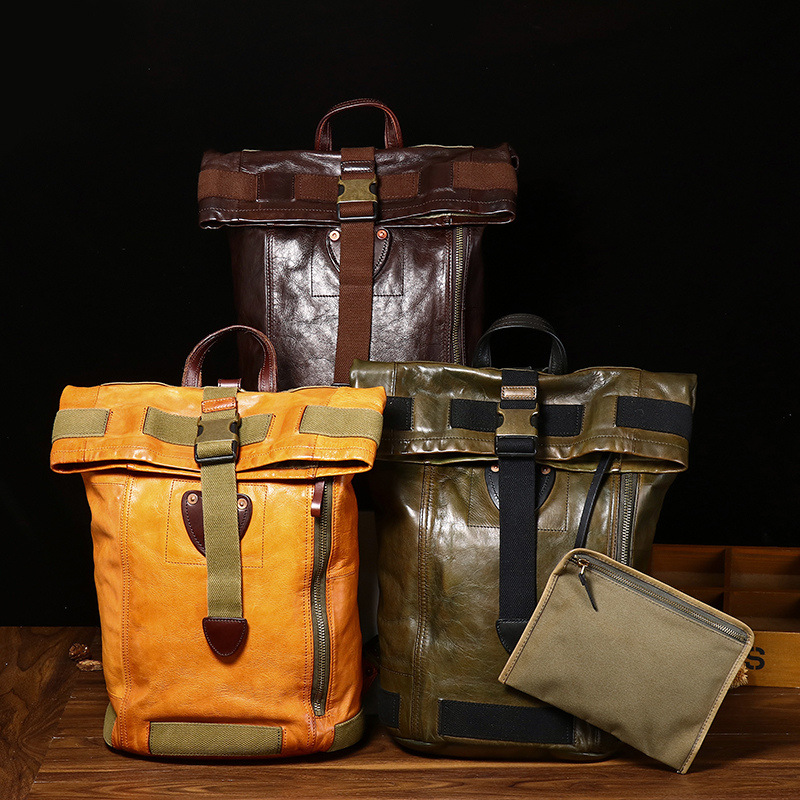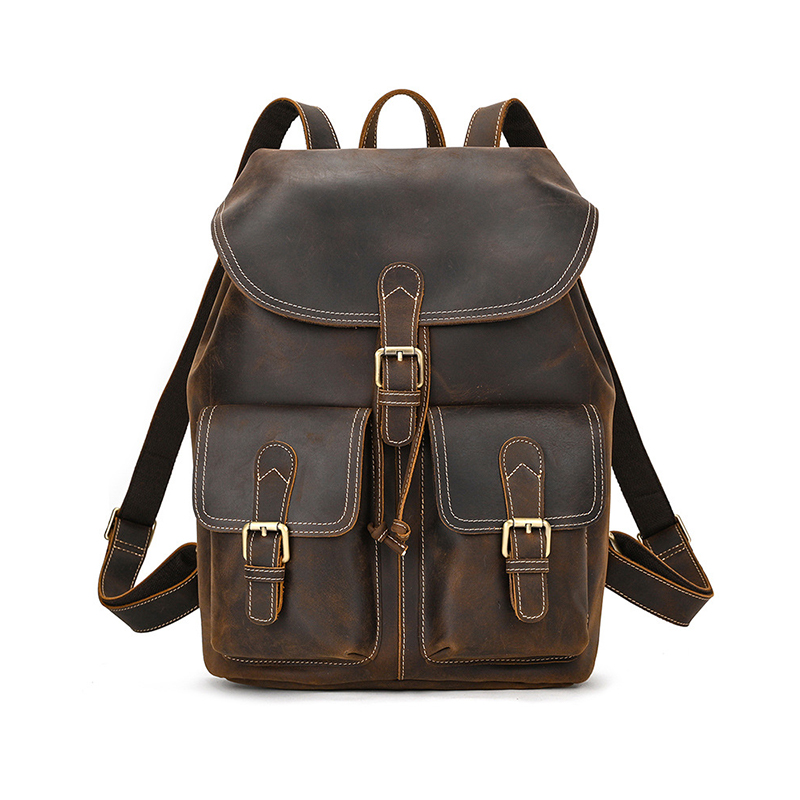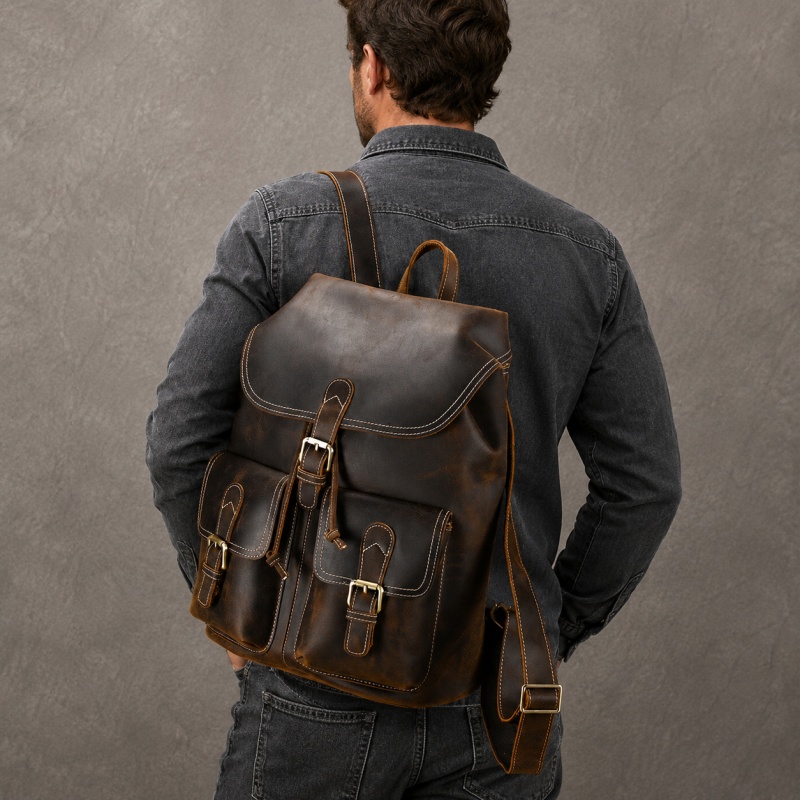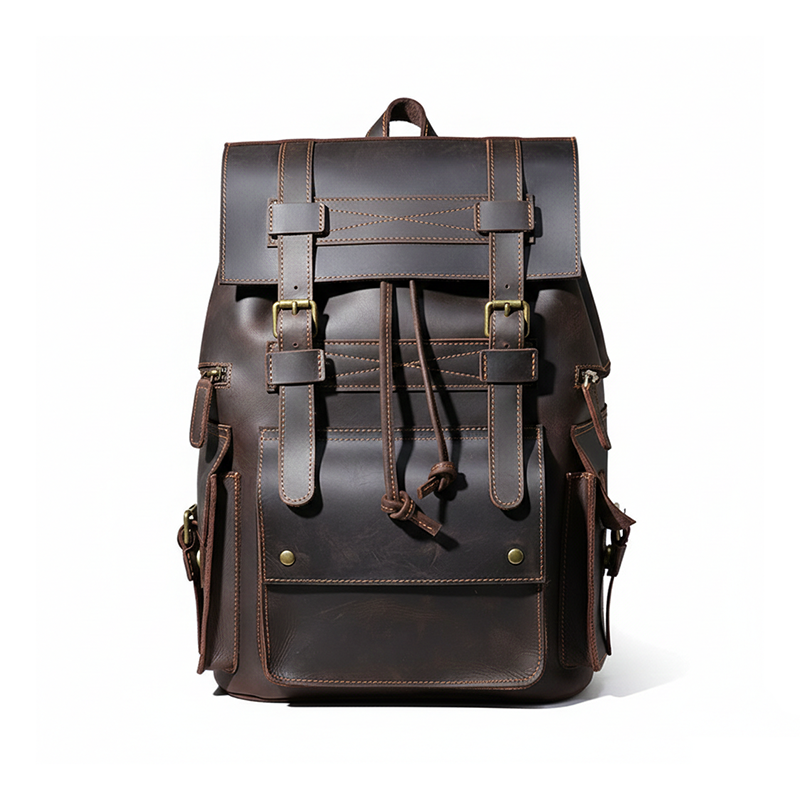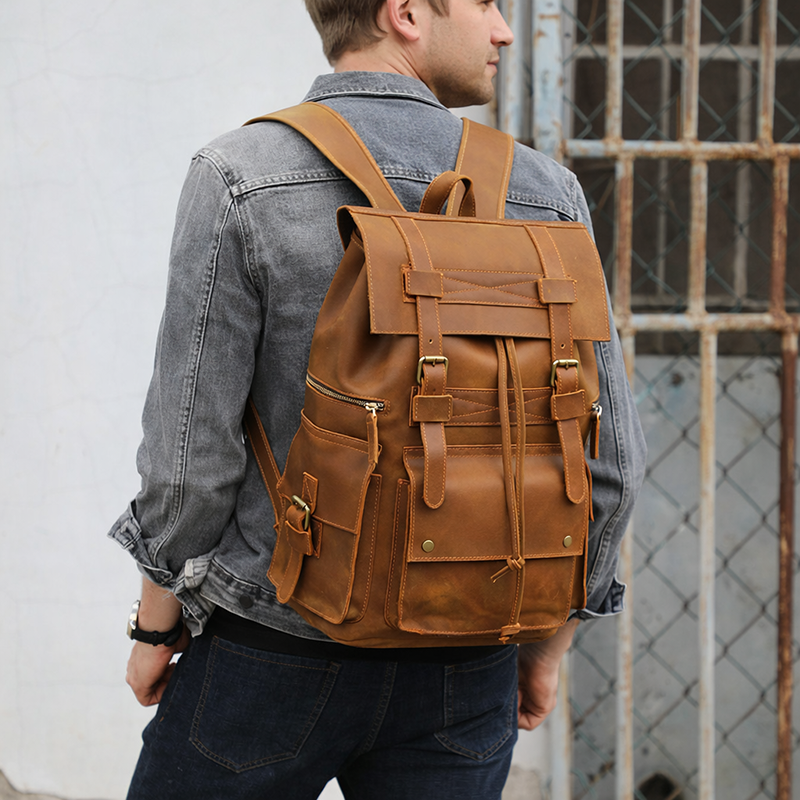
In a world dominated by "fast fashion" and synthetic materials, there is something deeply grounding about an object that actually gets better with age. If you’ve ever admired a vintage leather belt with 그 deep, honey-colored glow and supple texture, you aren’t just looking at old leather—you’re looking at a patina.
But here is the secret: You don’t have to hunt through thrift stores to find that perfect vintage look. You can grow it yourself. Welcome to the ultimate guide on the vegetable-tanned leather belt patina process.
What Exactly is "Patina"?
In the world of high-quality leather, patina refers to the natural aging process that occurs on vegetable-tanned (veg-tan) hides. Unlike "genuine leather" or "bonded leather" which often cracks and peels, full-grain veg-tan leather is a living material.
As you wear it, the leather absorbs:
-
Sunlight (UV rays): Which tans the hide just like human skin.
-
Natural Oils: From your hands and body.
-
Atmospheric Moisture: Which softens the fibers.
-
Friction: From your denim or trousers, which polishes the surface to a high sheen.
Why Choose Vegetable-Tanned Leather?
Most modern belts are "chrome-tanned," a chemical process that yields a consistent color but kills the leather's ability to age. To achieve a true vintage look, you must start with Vegetable-Tanned Leather. This ancient tanning method uses natural tannins found in tree bark and leaves. It is eco-friendly, smells like a campfire and earth, and—most importantly—is the only leather capable of developing a rich, multi-dimensional patina.
How to "Grow" Your Vintage Look: Step-by-Step
Growing a patina is an exercise in patience, but there are ways to guide the process.
1. The "Sun-Tan" Phase
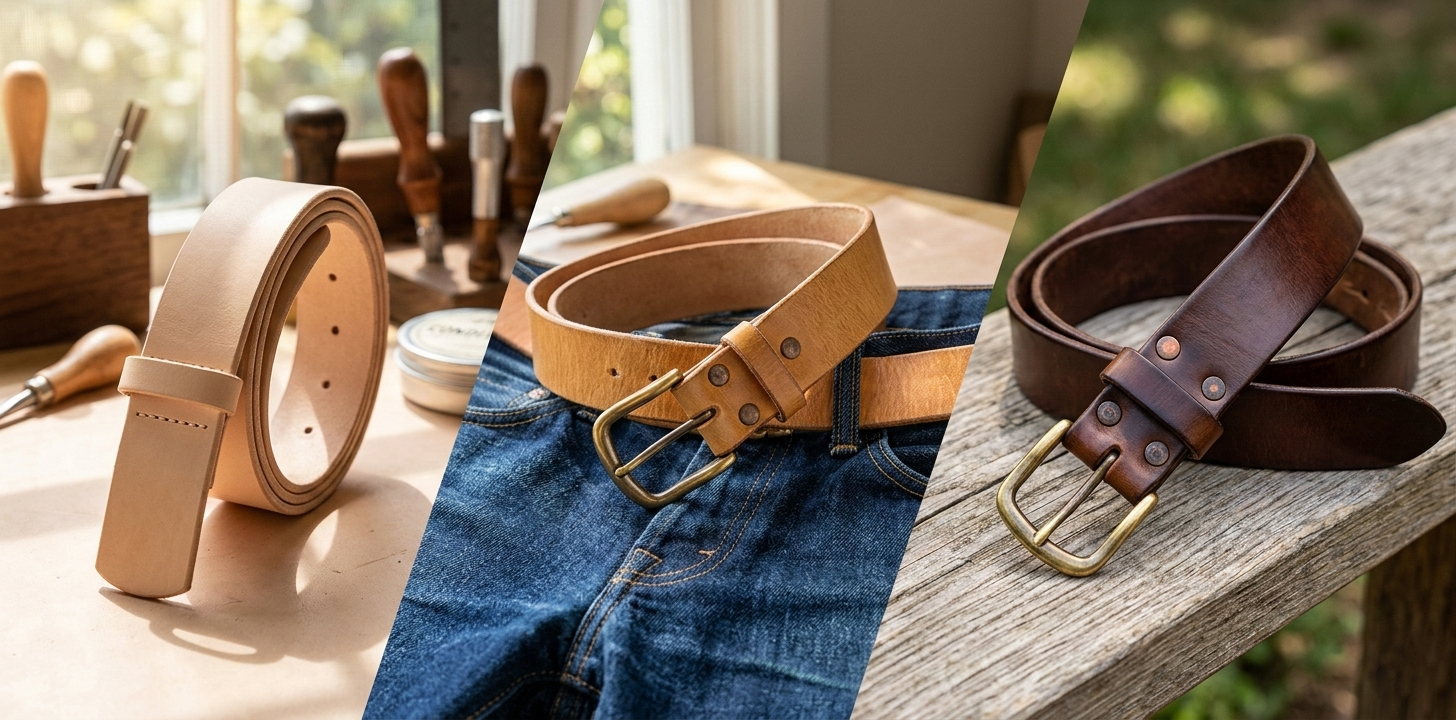
New veg-tan leather often arrives in a pale, "natural" pinkish-tan. To kickstart the aging, place your belt in direct sunlight for 2–4 hours. The UV rays will darken the tannins, shifting the color from pale cream to a light golden wheat.
2. The Break-In
Wear it daily. The heat from your body and the movement of your waist will break down the stiffness of the fibers. During the first 30 days, you’ll notice the leather becoming more pliable and "contouring" to your specific body shape.
3. Conditioning (The Secret Sauce)
Every 4–6 months, apply a high-quality leather balm or neatsfoot oil.
Pro Tip: Don't over-condition. A small amount of oil provides the "fuel" for the patina to darken into those deep chocolate or caramel tones.
4. Embrace the Scuffs
Every scratch from a fingernail or a splash of rain adds character. In the world of vintage leather, "perfection" is boring. Those marks will eventually blend into the darker tones of the belt, creating a unique "map" of your life.
The Patina Timeline: What to Expect
| Timeframe | Appearance | Texture |
| Day 1 | Pale cream / Pinkish beige | Stiff and rigid |
| Month 3 | Warm honey / Golden tan | Softening at the edges |
| Year 1 | Rich caramel / Saddle brown | Very supple; high-gloss sheen |
| Year 3+ | Deep espresso / Dark vintage | Heirloom quality; "molded" fit |
Conclusion: The Ultimate Slow Fashion Statement
A vegetable-tanned leather belt is more than an accessory; it’s a commitment to quality over quantity. By following this patina guide, you aren't just wearing a belt—you are creating a one-of-a-kind vintage piece that belongs to no one else in the world.
Ready to start your patina journey? The best time to start was ten years ago; the second best time is today.