The Ultimate Leather Glossary
Types of Leather, Famous Leather Origins & 100+ Essential Terms
Leather craftsmanship has existed for thousands of years and remains one of the most valued materials in fashion, bags, footwear, and accessories. However, the leather industry contains many technical terms that can confuse buyers.
This leather glossary explains the most important leather types, tanning methods, famous leather regions, and essential industry terms so you can better understand how quality leather products are made.
1. Types of Leather
Full-Grain Leather
The highest quality leather available. It retains the entire grain layer of the hide and develops a beautiful patina with age.
Top-Grain Leather
A slightly corrected leather that has been sanded to remove imperfections and finished for a smoother look.
Genuine Leather
A lower grade leather made from the remaining layers of the hide.
Bonded Leather
Leather scraps mixed with adhesives and pressed together.
Split Leather
Leather created from the lower layers of the hide after the top grain has been removed.
Nubuck Leather
Top-grain leather sanded to create a soft velvet-like surface.
Suede Leather
Made from the inner split of the hide and known for its soft texture.
Patent Leather
Leather coated with a glossy finish.
Exotic Leather
Leather from animals such as crocodile, ostrich, or snakeskin.
2. Leather Tanning Methods
Vegetable-Tanned Leather
Tanned using natural plant tannins. Known for durability and beautiful aging.
Chrome-Tanned Leather
The most common modern tanning method. Produces softer and more flexible leather.
Oil-Tanned Leather
Leather infused with oils for water resistance and flexibility.
Brain-Tanned Leather
A traditional method used by indigenous cultures.
Aldehyde Tanning
A chrome-free tanning method often used in baby products and car interiors.
3. Famous Leather-Producing Regions
Italy
One of the most respected leather producers in the world, particularly Tuscany, known for vegetable-tanned leather.
United States
Home to historic tanneries like the Horween Leather Company, famous for Shell Cordovan and Chromexcel leather.
Japan
Japanese leather from Himeji is renowned for precision tanning and craftsmanship.
Argentina
Known for high-quality cowhide leather due to its strong cattle industry.
France
Luxury leather production used by many high-end fashion houses.
United Kingdom
Historically famous for saddle leather and equestrian gear.
4. Leather Finishing Techniques
Aniline Leather
Dyed with soluble dyes without covering the surface grain.
Semi-Aniline Leather
Aniline leather with a light protective coating.
Pigmented Leather
Leather coated with pigments for durability.
Embossed Leather
Leather stamped with patterns.
Burnished Leather
Leather edges polished to create a smooth finish.
Waxed Leather
Leather finished with wax to enhance water resistance.
5. Leather Texture & Structure Terms
Grain
The natural surface pattern of leather.
Full Grain
The complete outer layer of the hide.
Corrected Grain
Grain that has been sanded and refinished.
Pebbled Leather
Leather with a textured pebble pattern.
Pull-Up Leather
Leather treated with oils that lighten in color when bent.
6. Leather Aging Terms
Patina
The natural aging process where leather develops a unique surface color and character.
Wear Marks
Natural creases and marks from long-term use.
Conditioning
Applying oils or creams to maintain leather softness.
7. Leather Craftsmanship Terms
Edge Burnishing
Polishing the edges of leather.
Saddle Stitching
A traditional hand-stitching technique known for durability.
Skiving
Thinning leather edges for folding or stitching.
Tooling
Decorative carving into leather.
Hand-Dyed Leather
Leather colored manually by artisans.
8. Popular Leather Styles Used in Bags
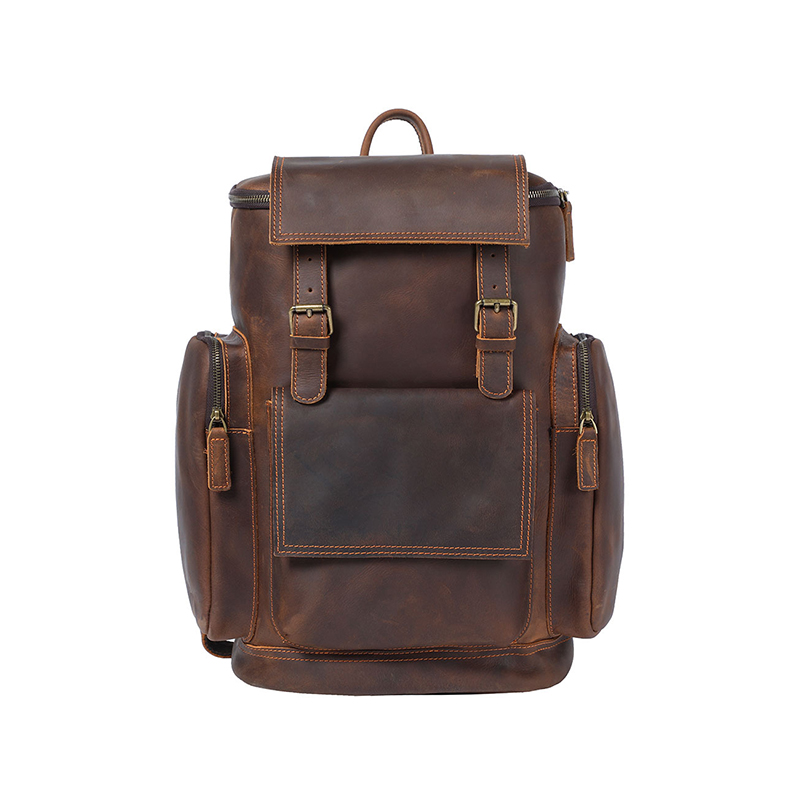
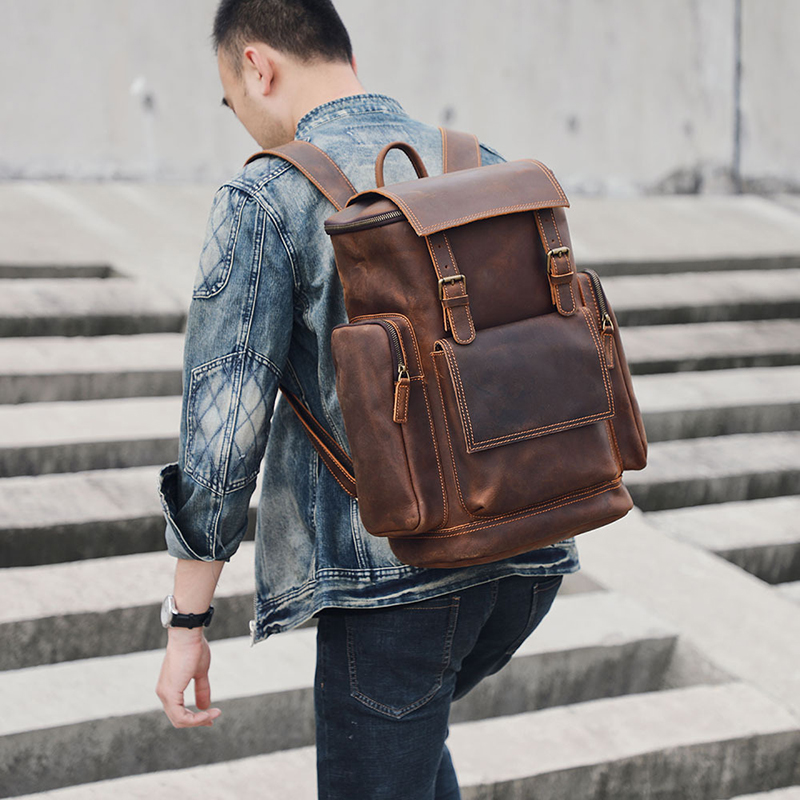
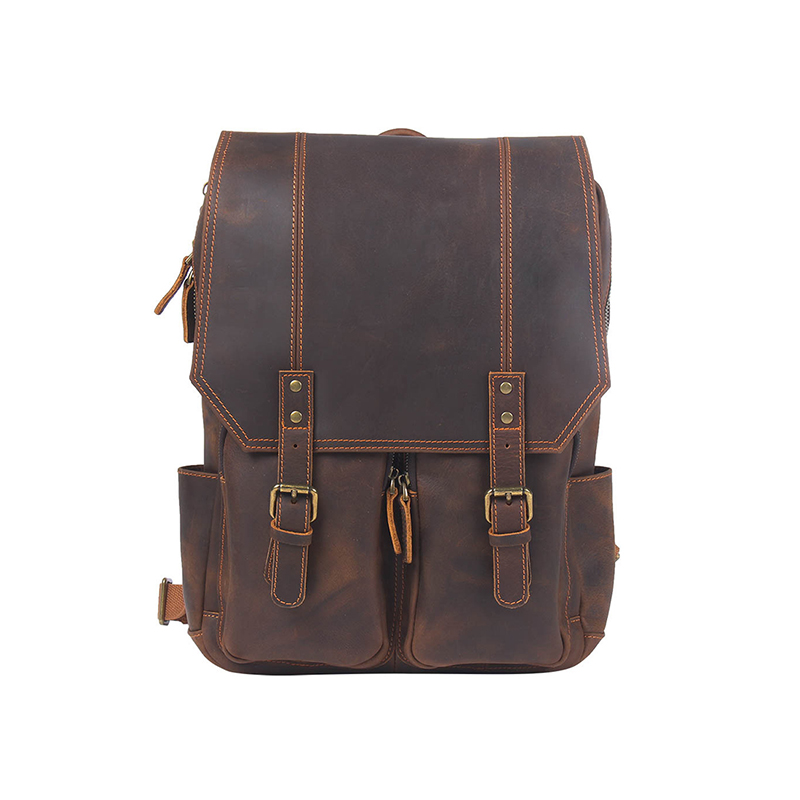
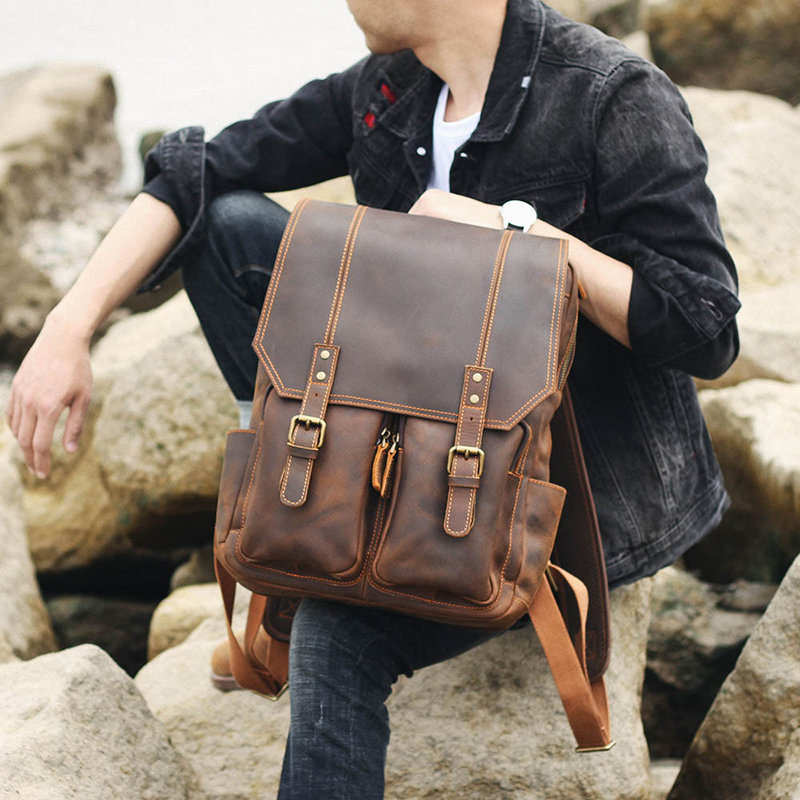
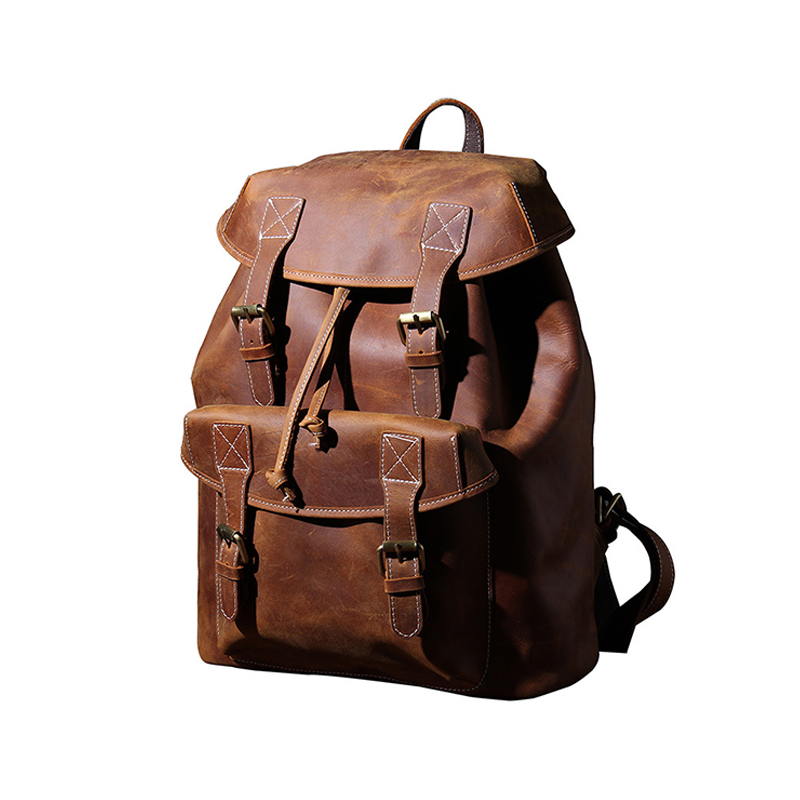
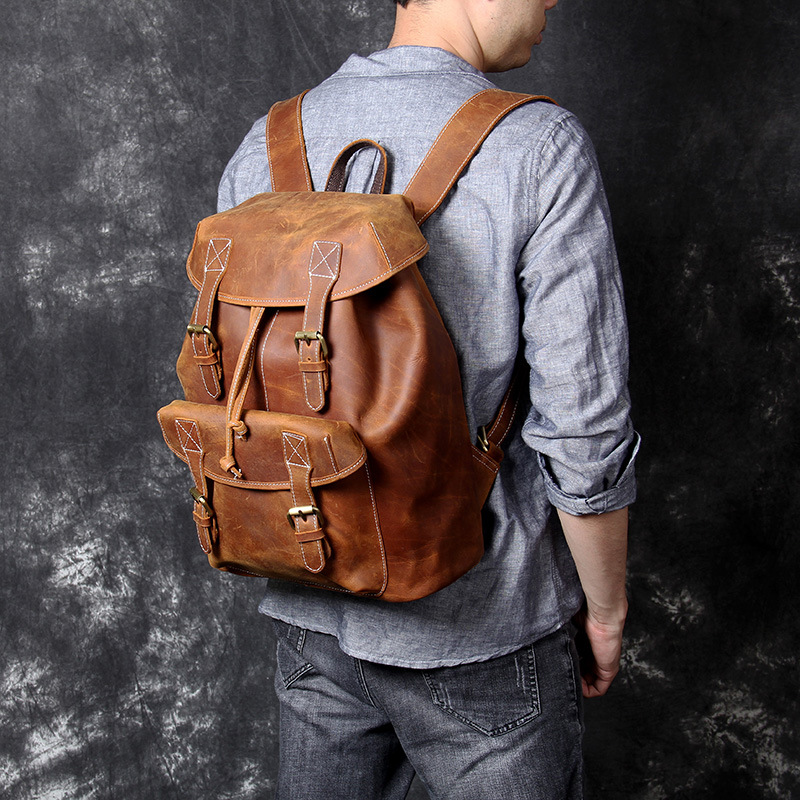
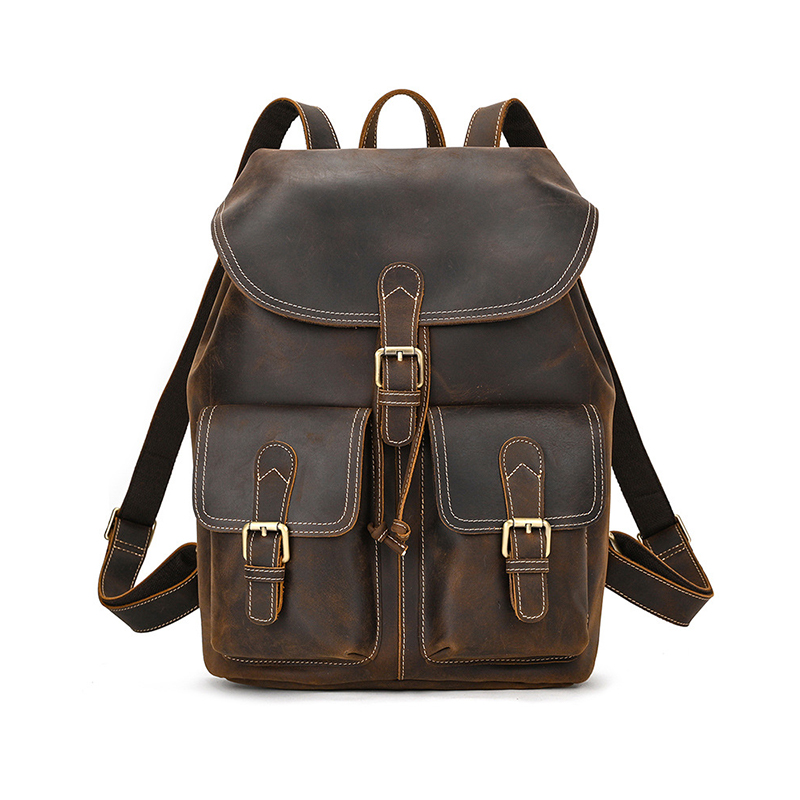
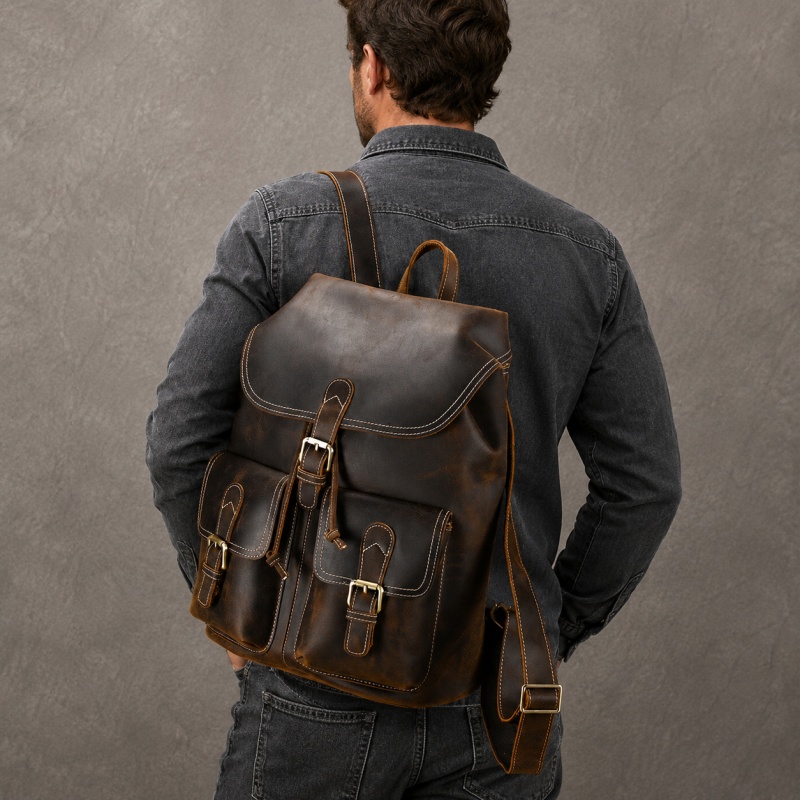
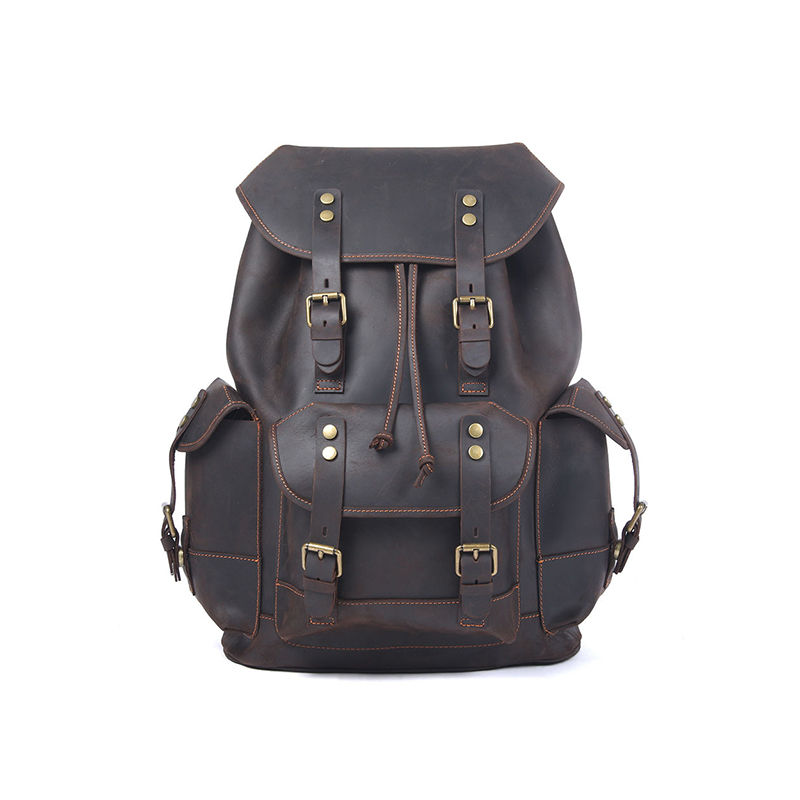
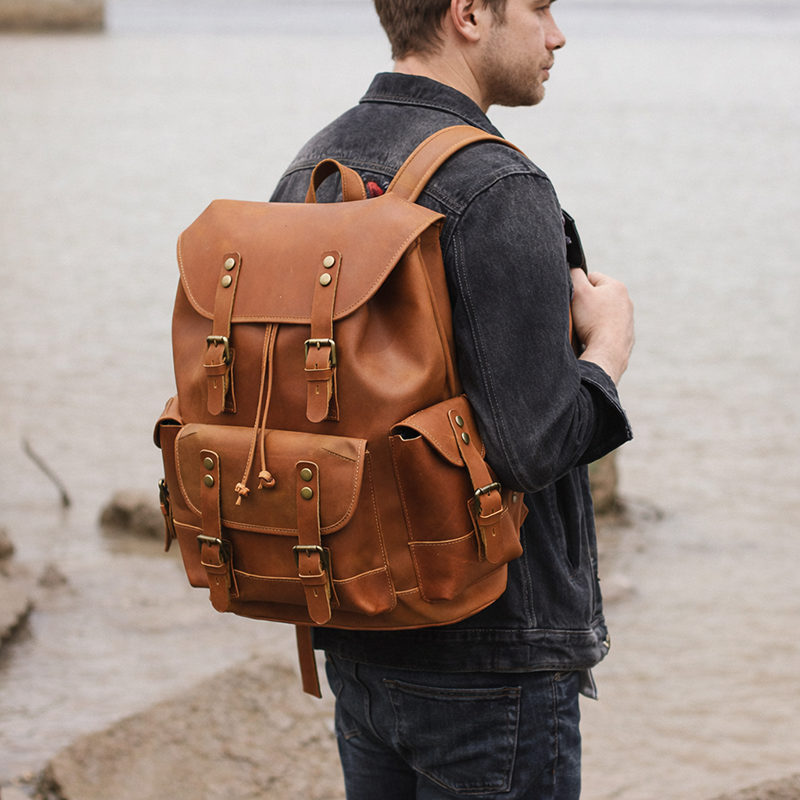
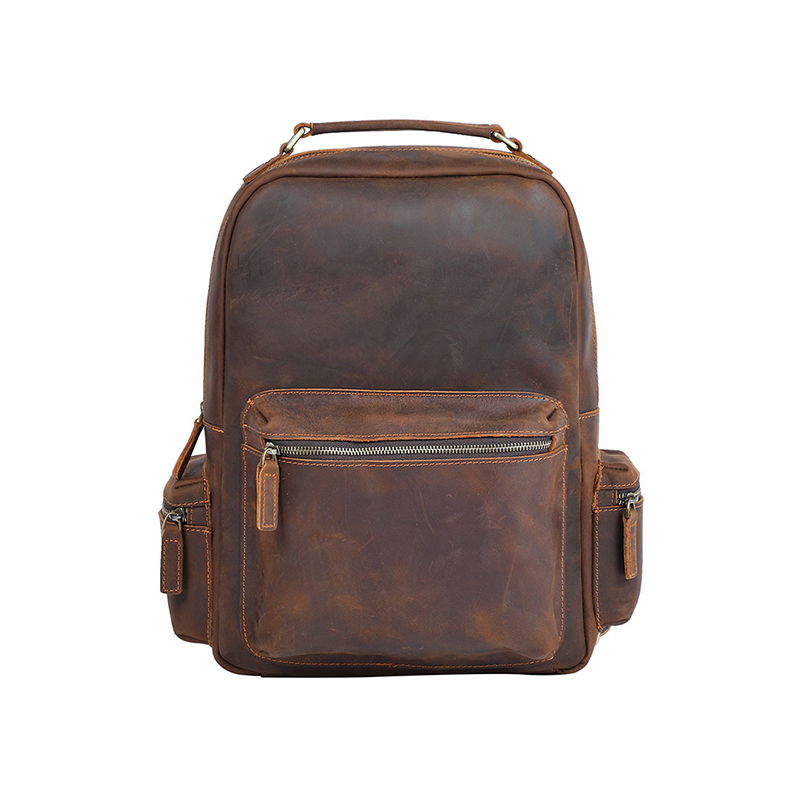
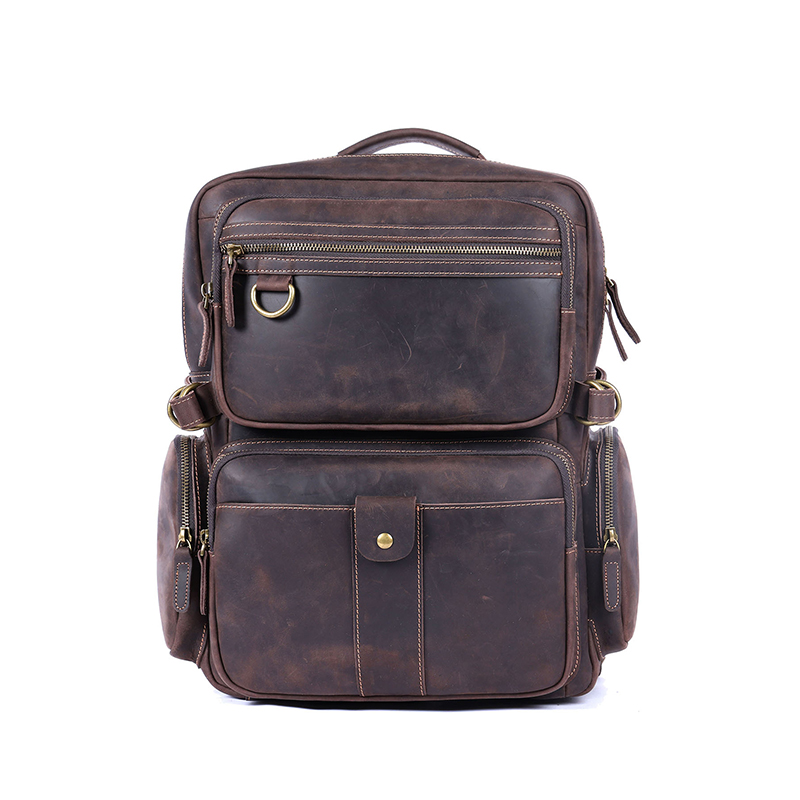
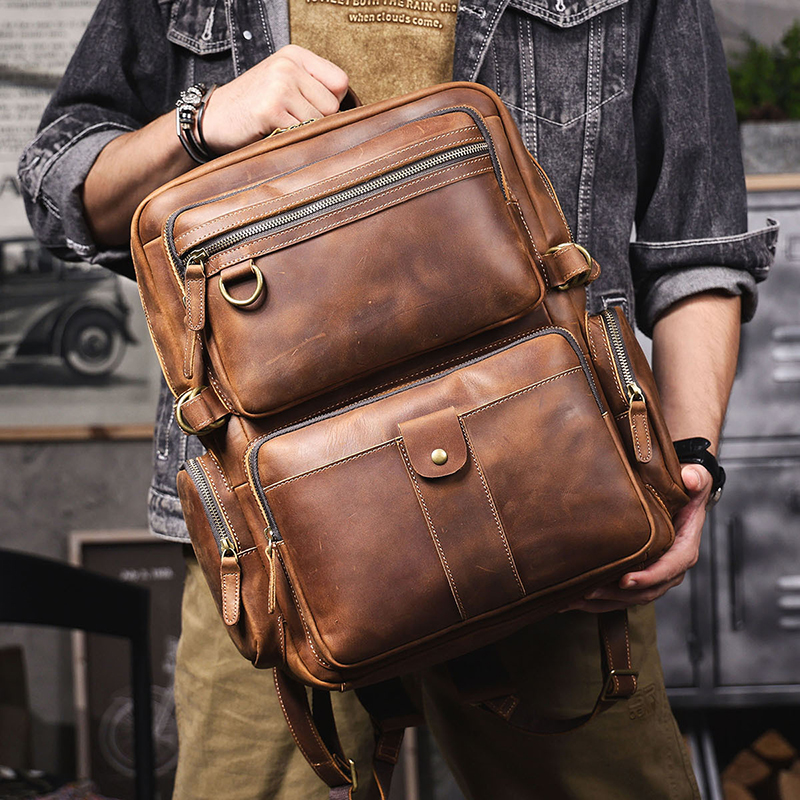
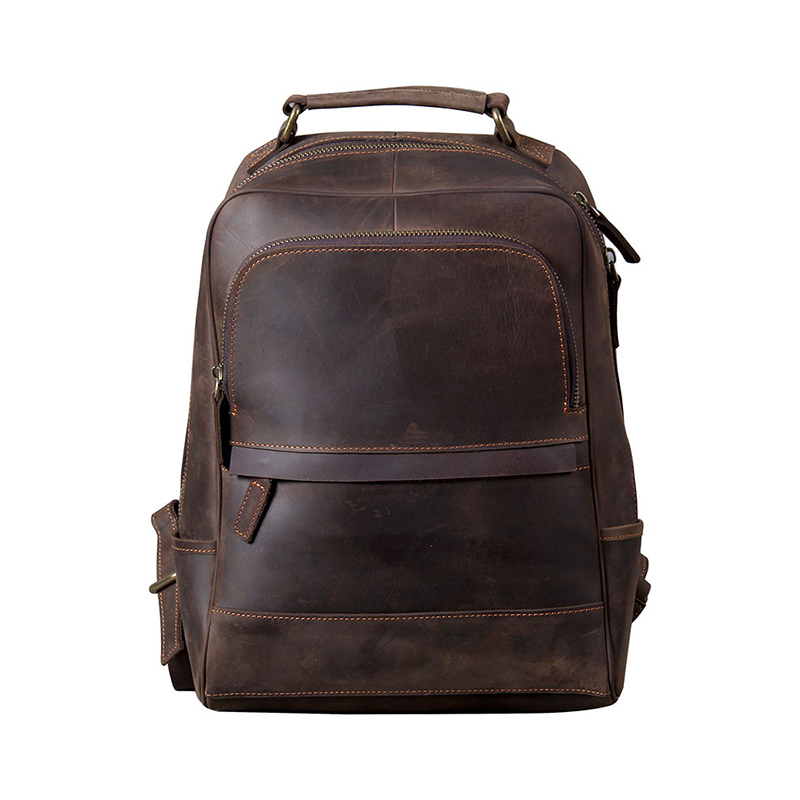
Crazy Horse Leather
Oil-treated leather known for its vintage appearance.
Oil Pull-Up Leather
Leather infused with oils that change color when bent.
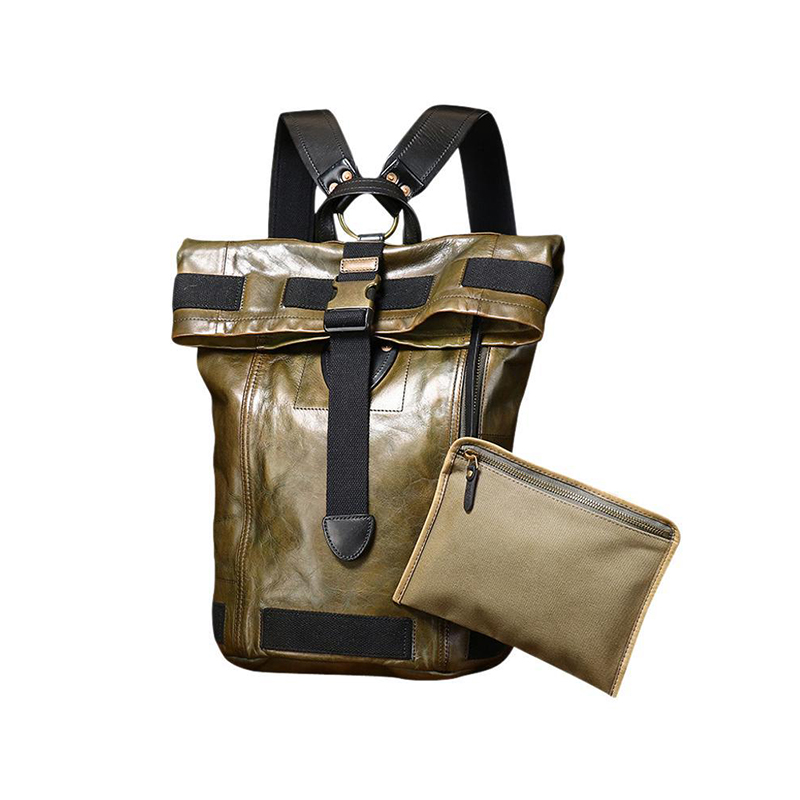
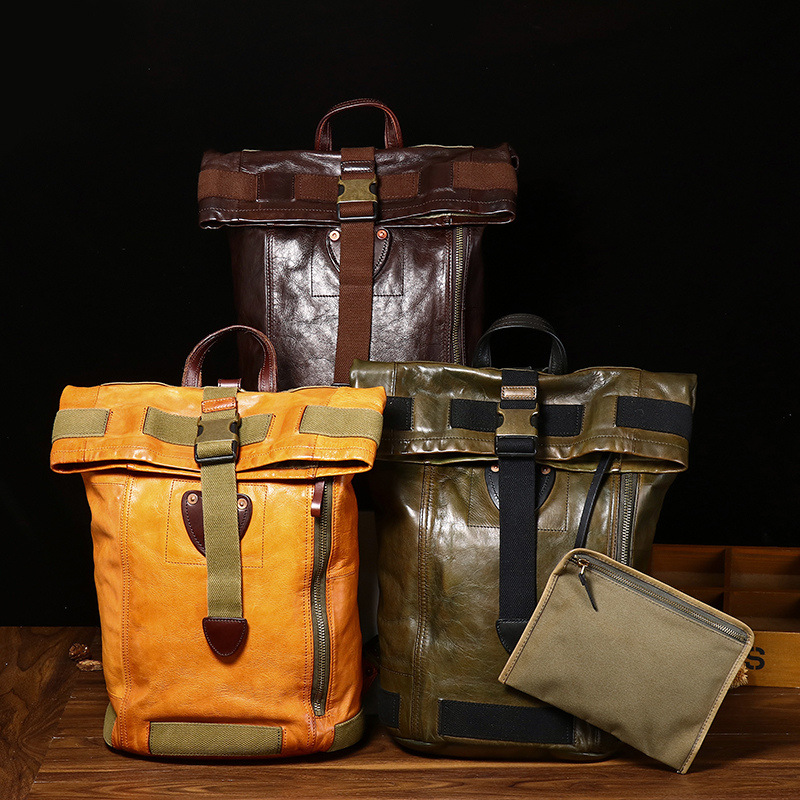
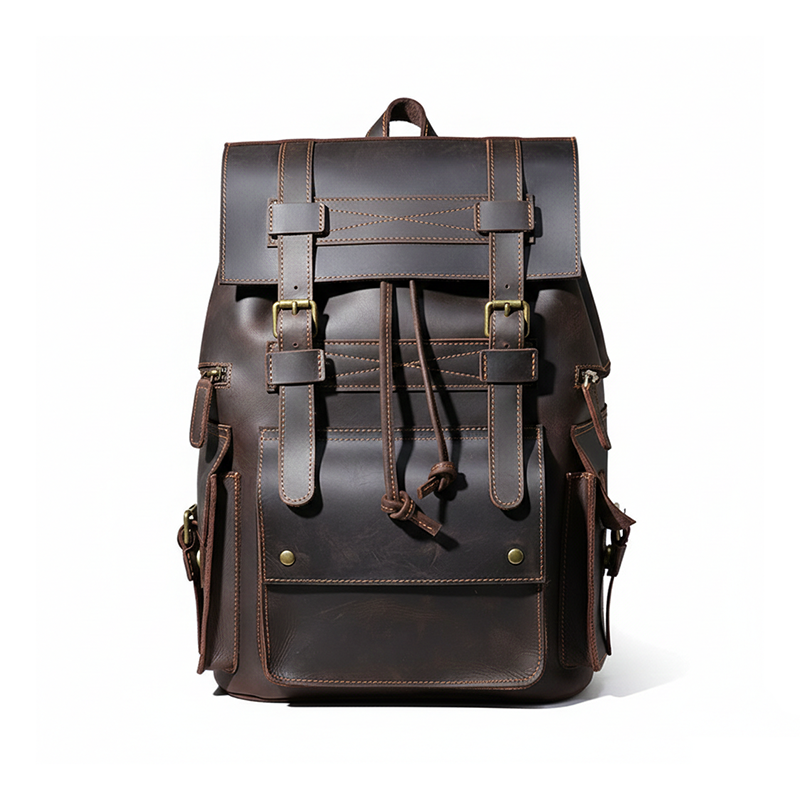
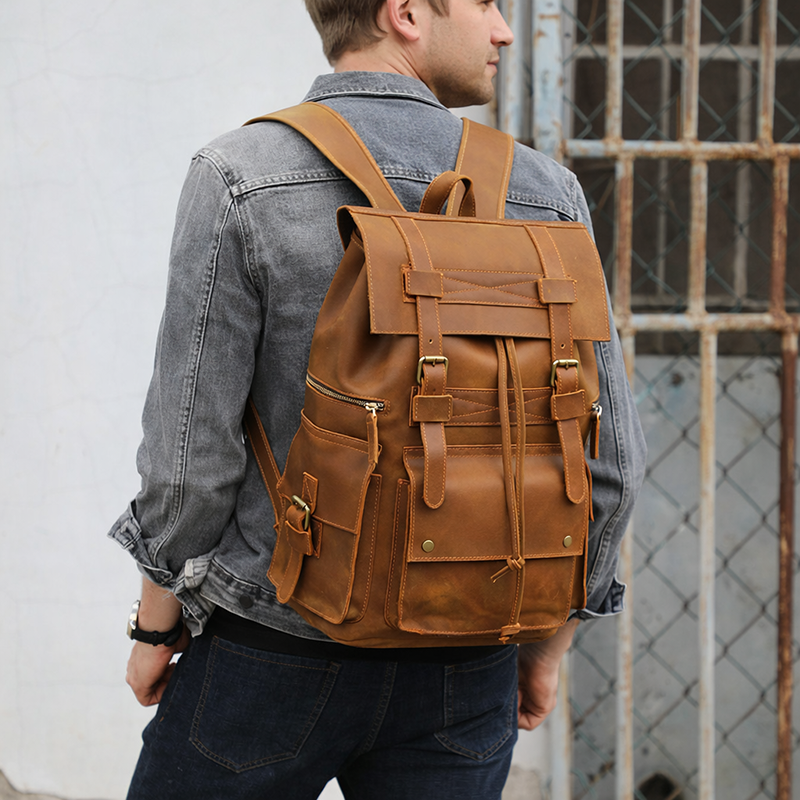
Waxed Canvas & Leather Hybrid
A combination of waxed canvas and leather used in rugged backpacks.
9. Why Understanding Leather Terms Matters
Understanding leather terminology helps buyers:
-
identify genuine leather quality
-
understand craftsmanship
-
choose long-lasting leather products
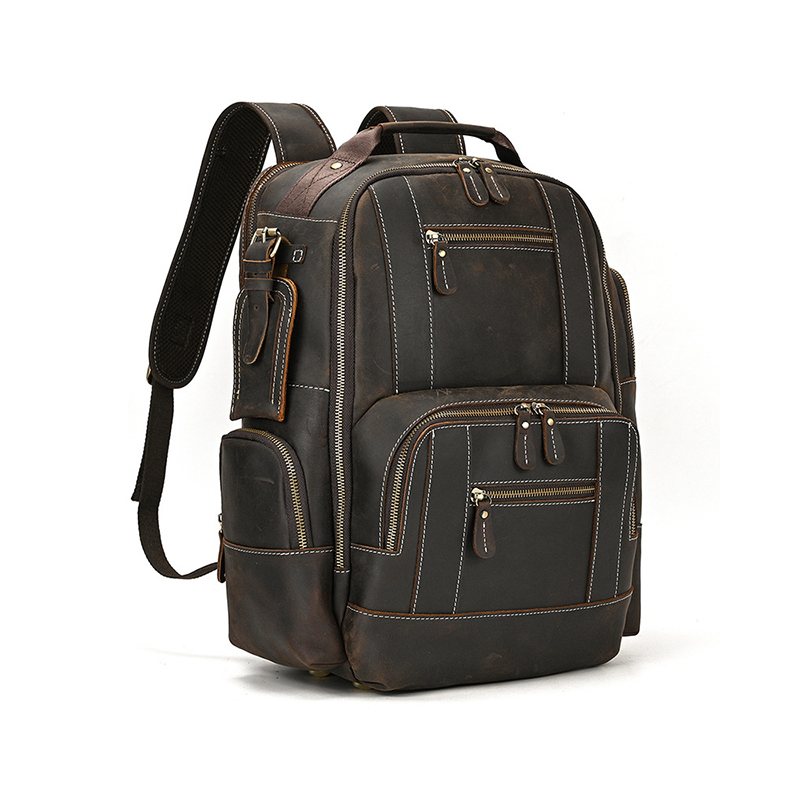
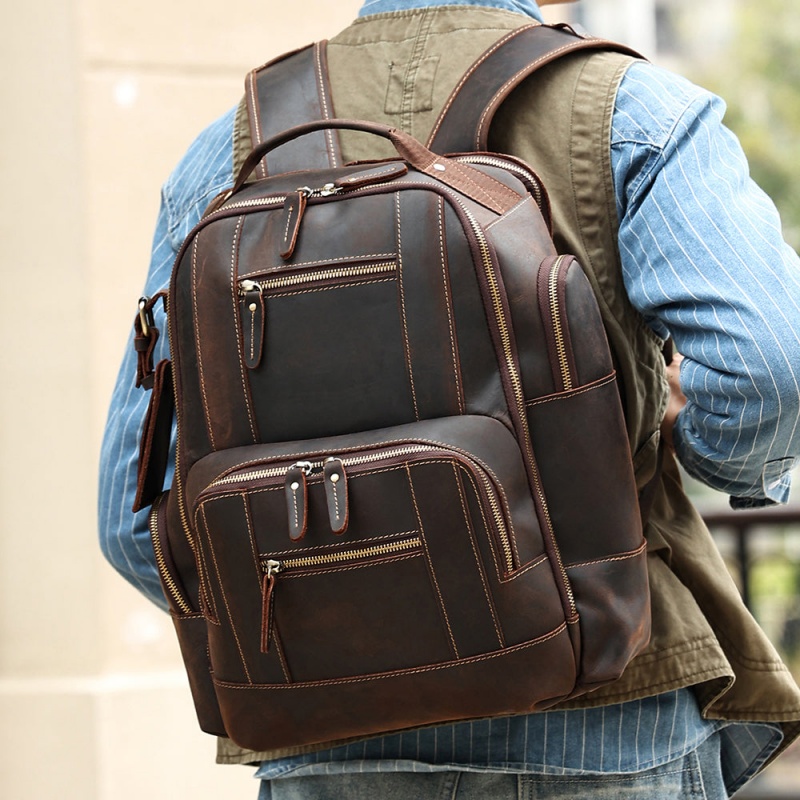
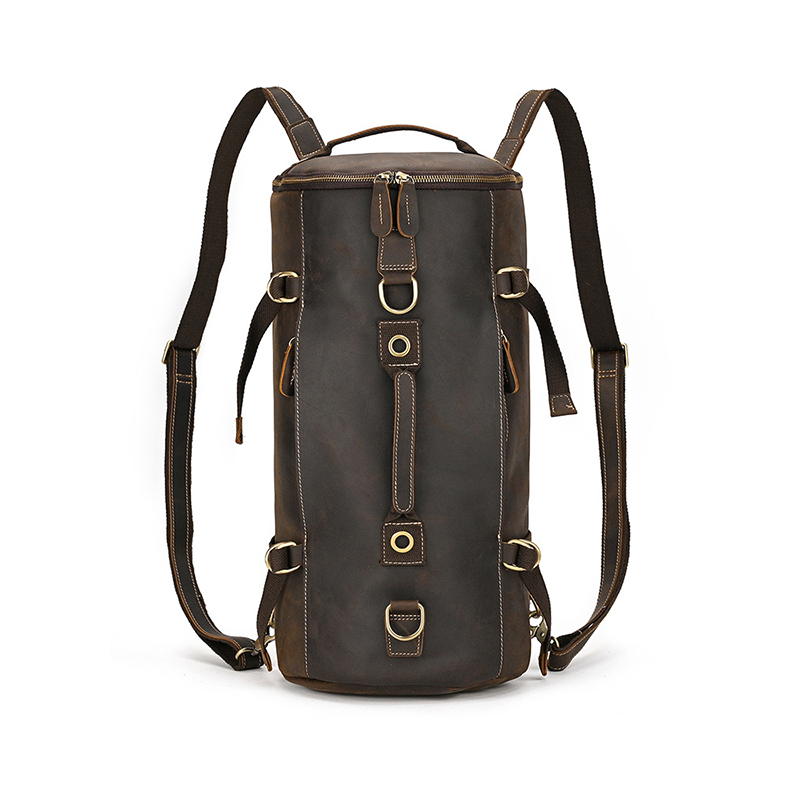
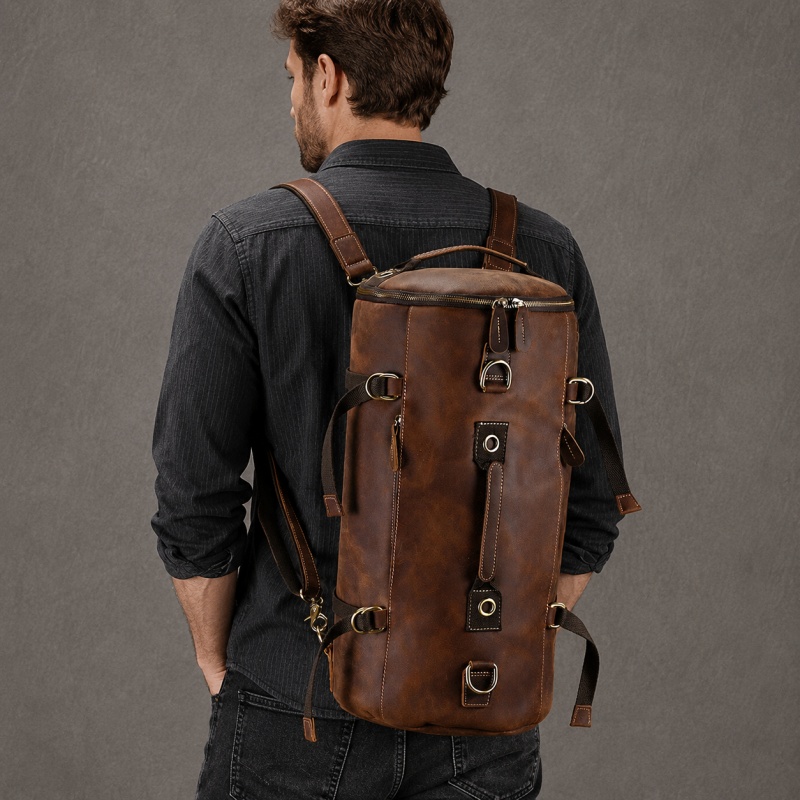
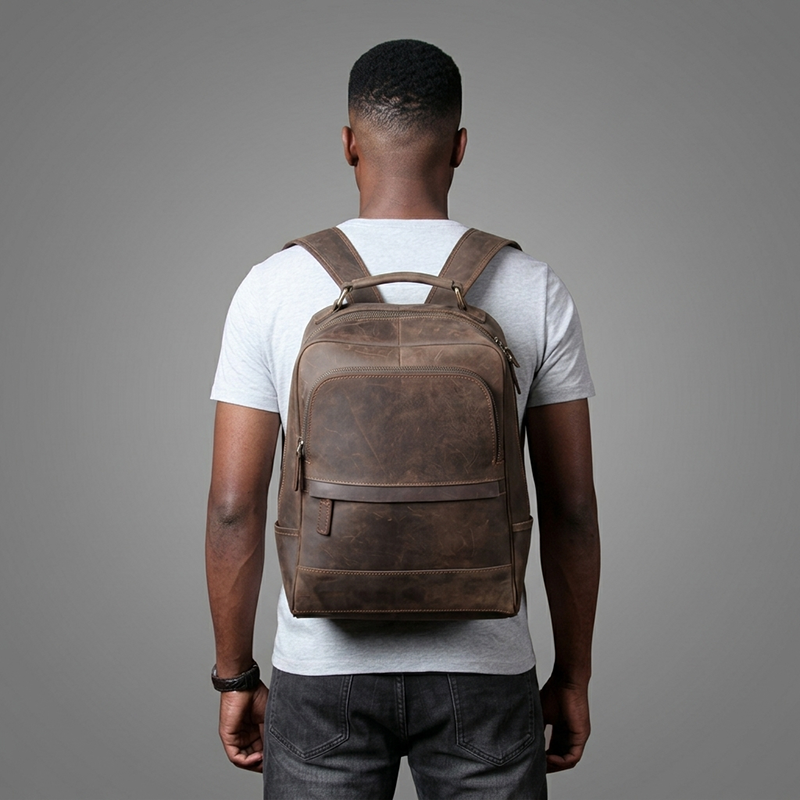
High-quality leather goods such as backpacks, belts, and wallets are defined not only by their appearance but by the type of leather, tanning process, and craftsmanship behind them.