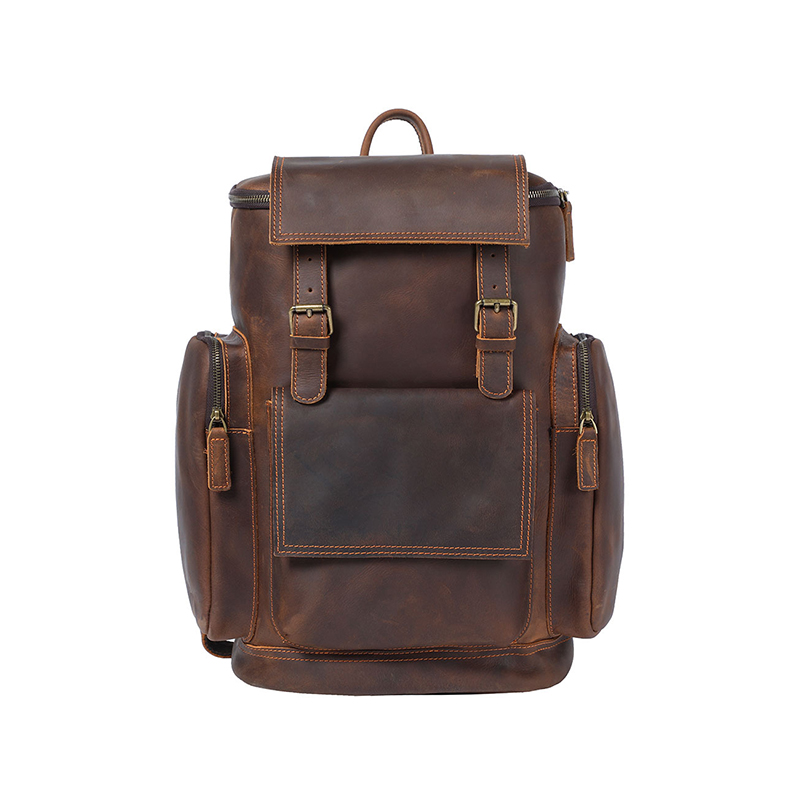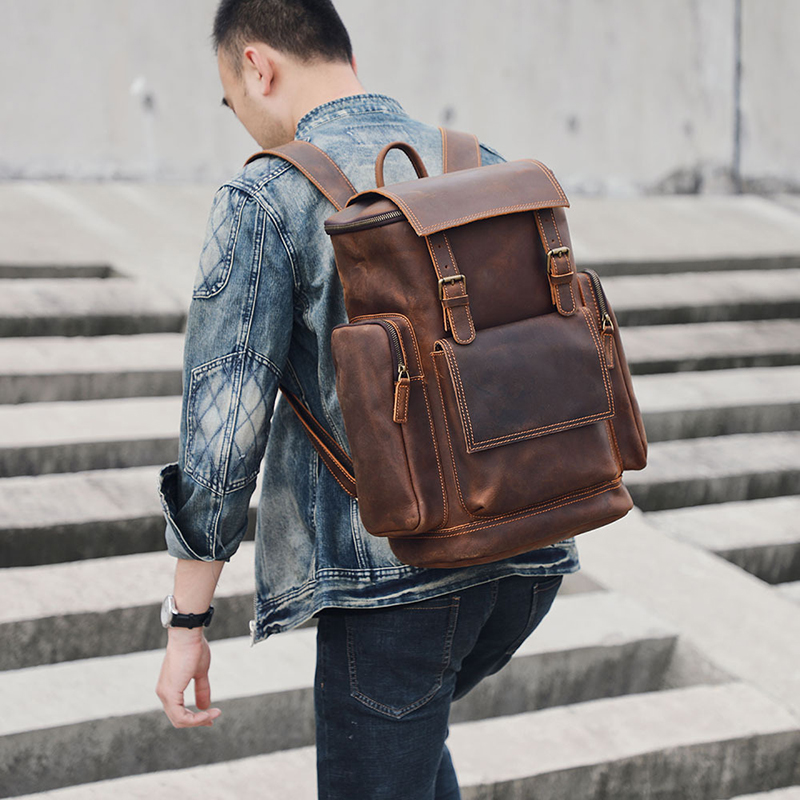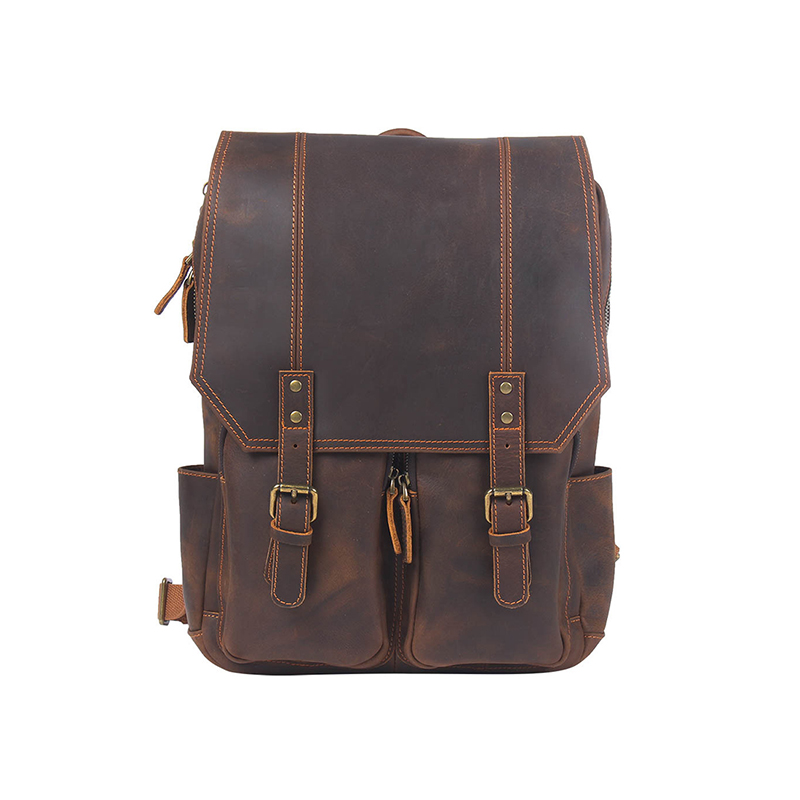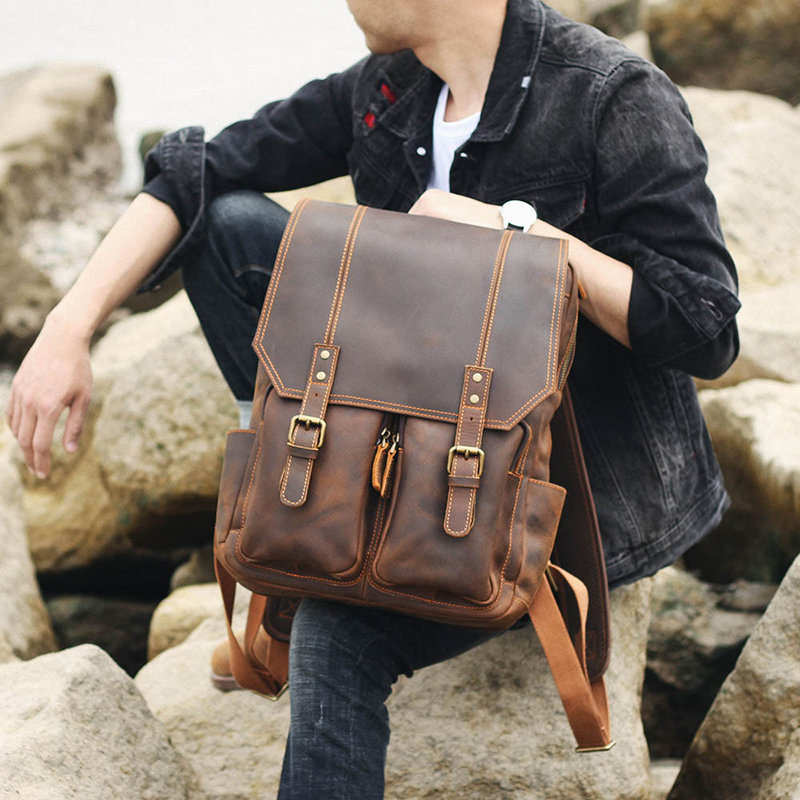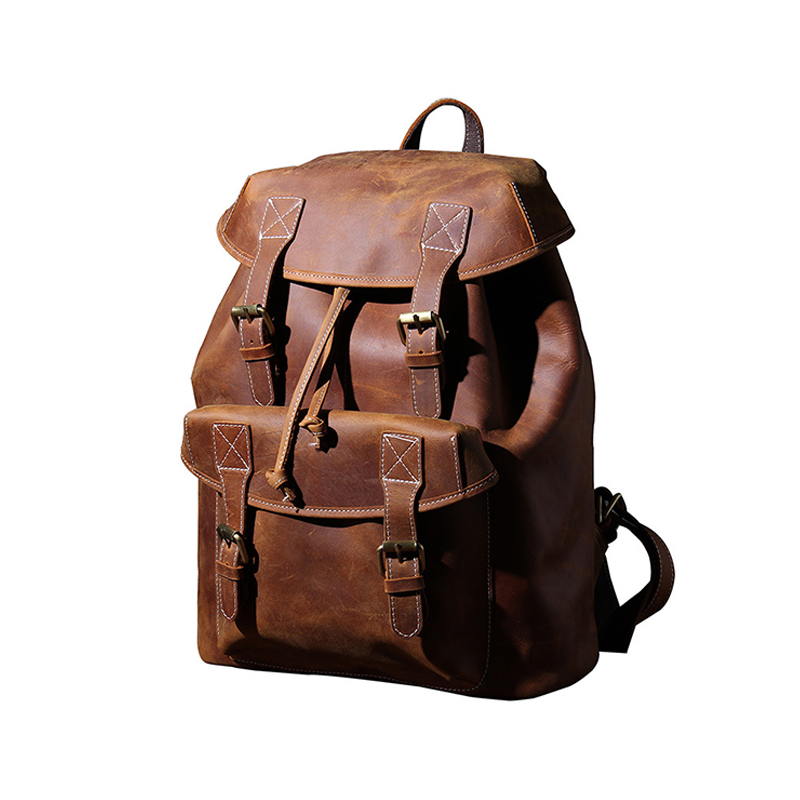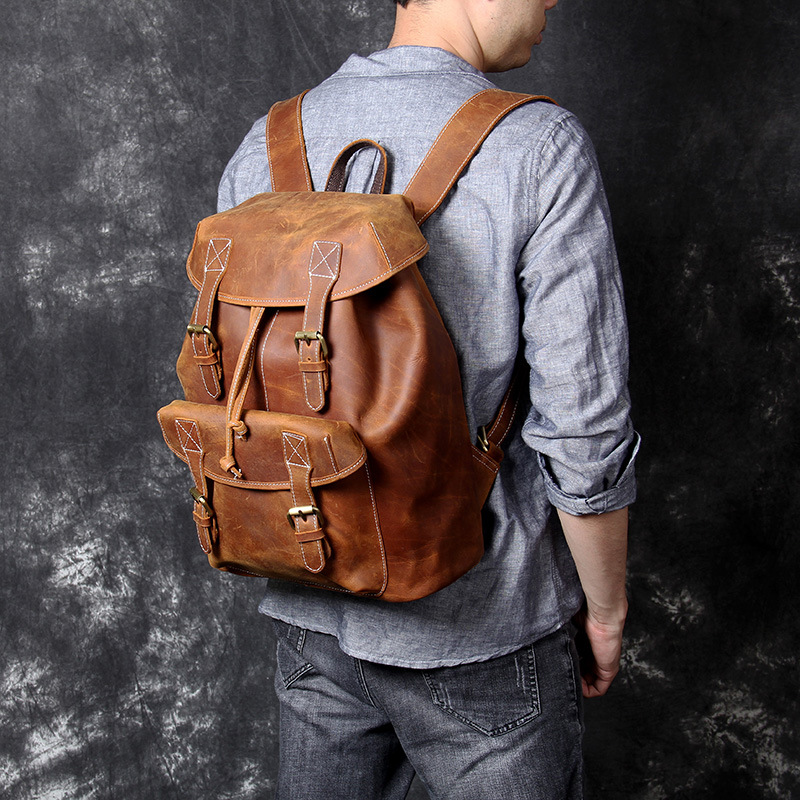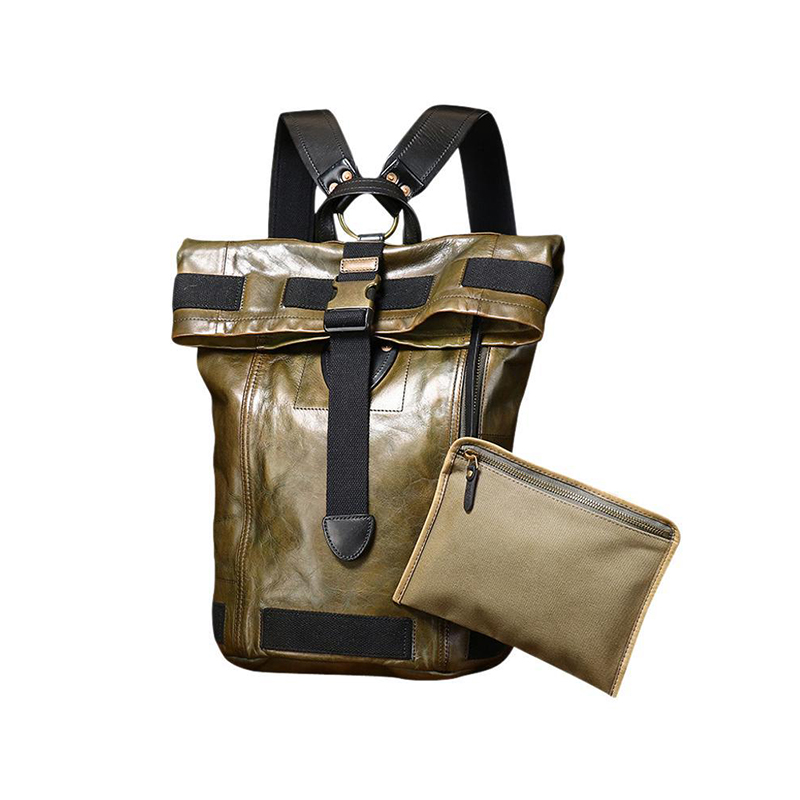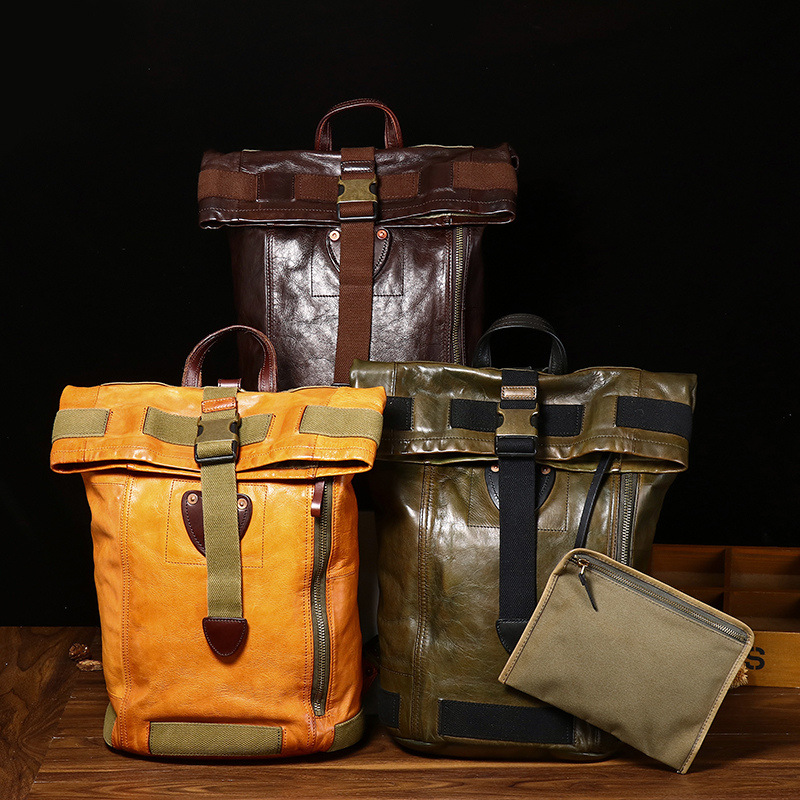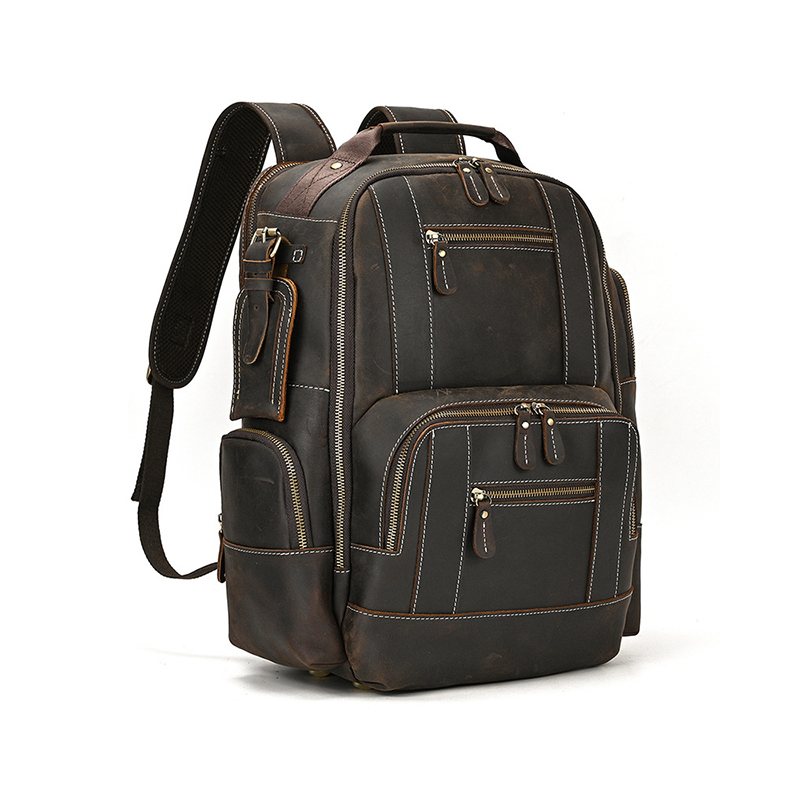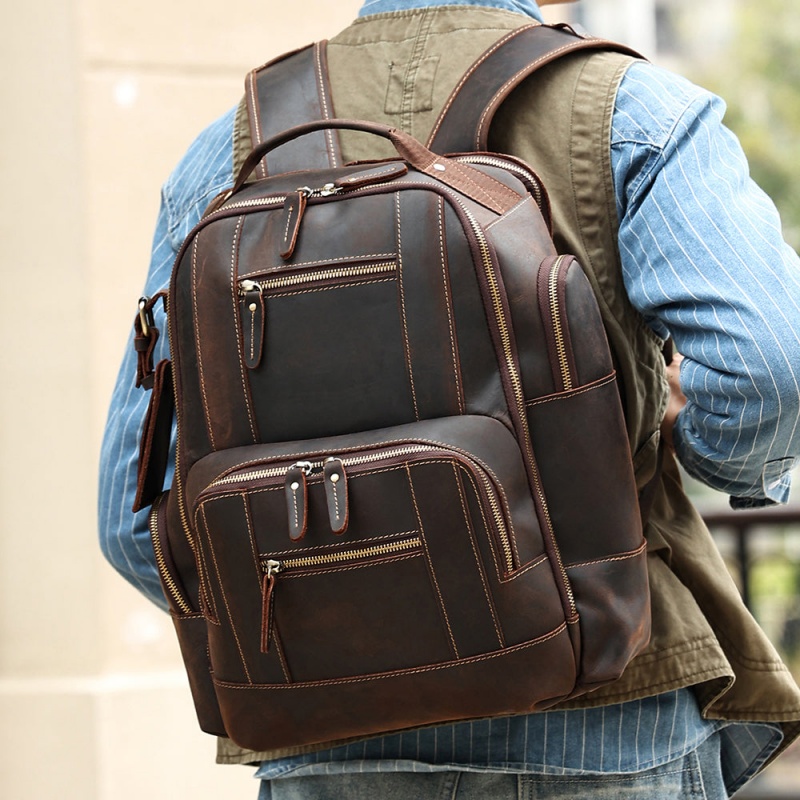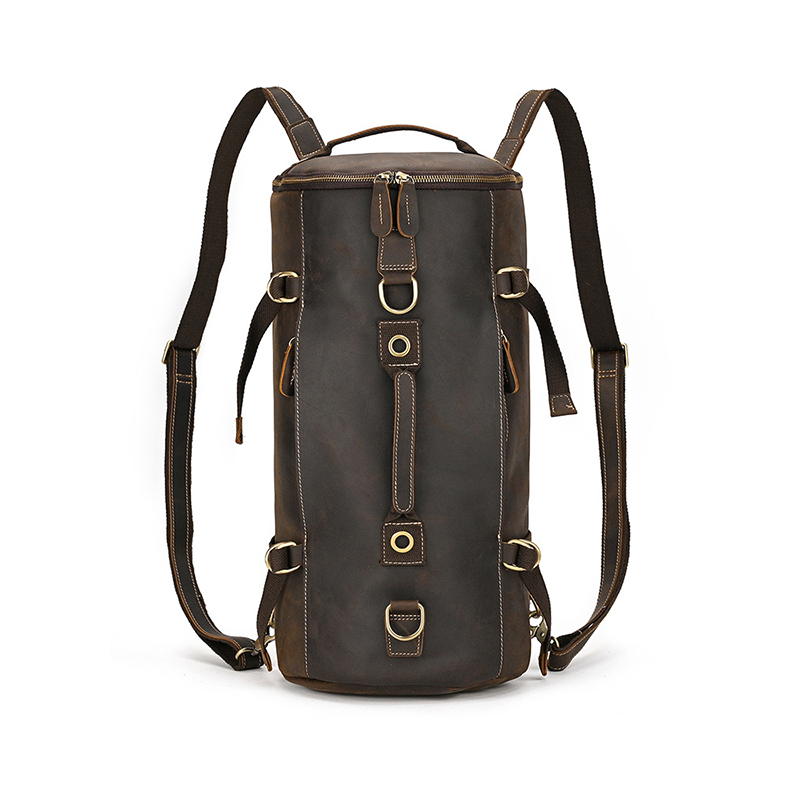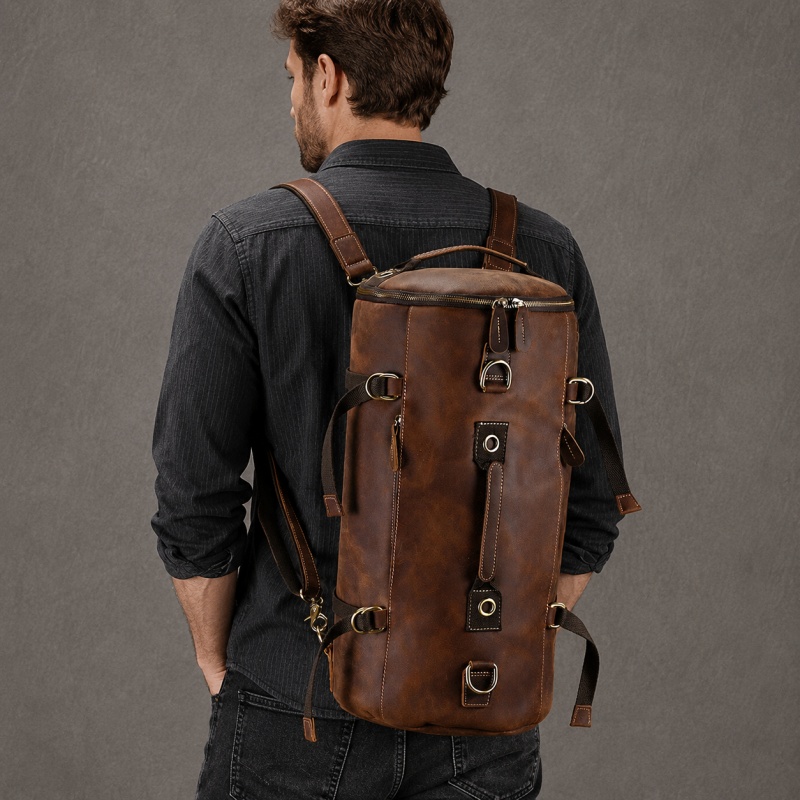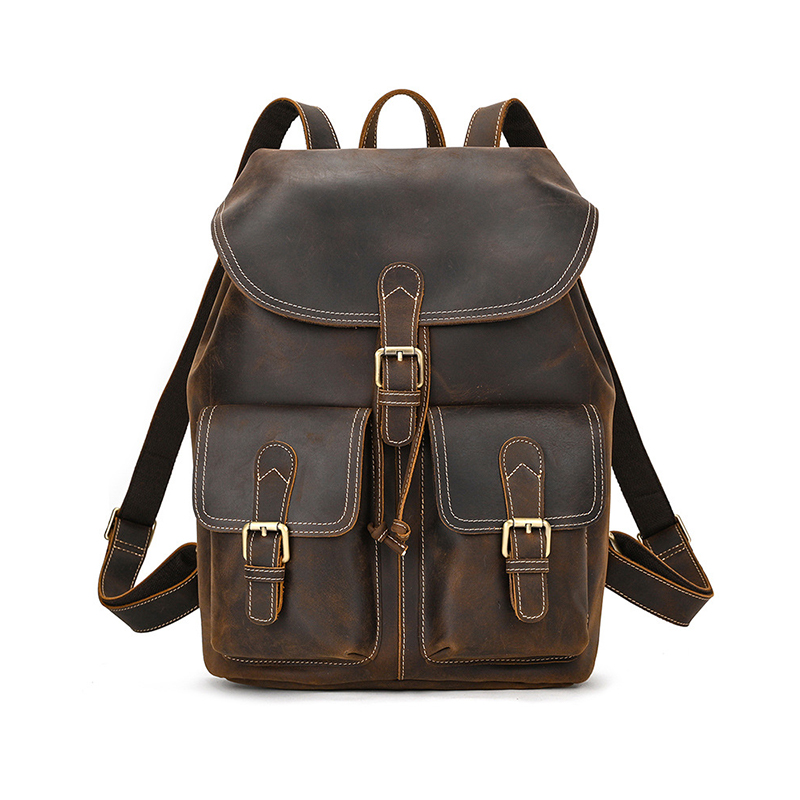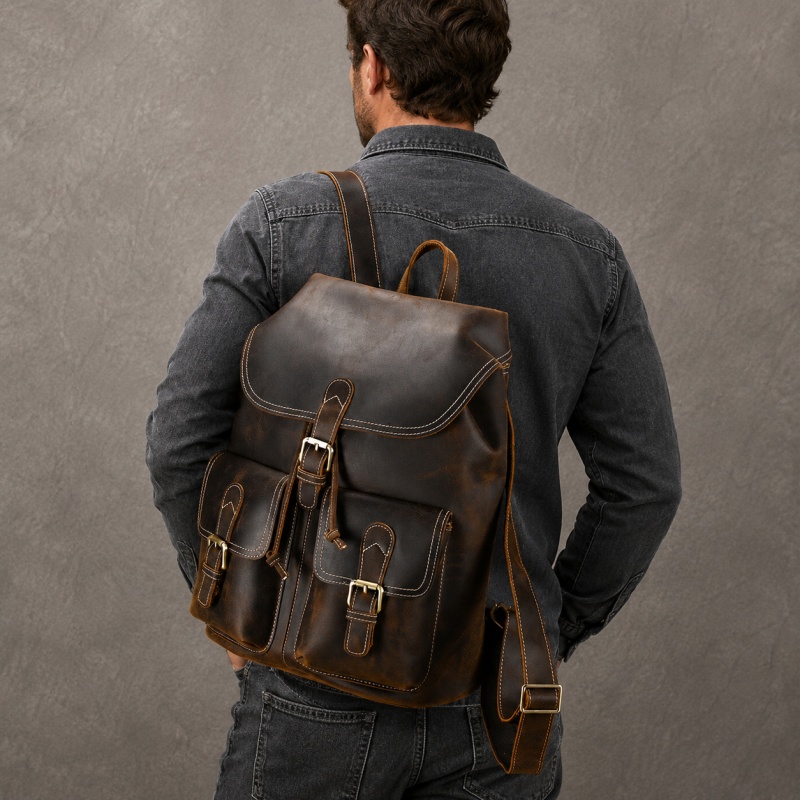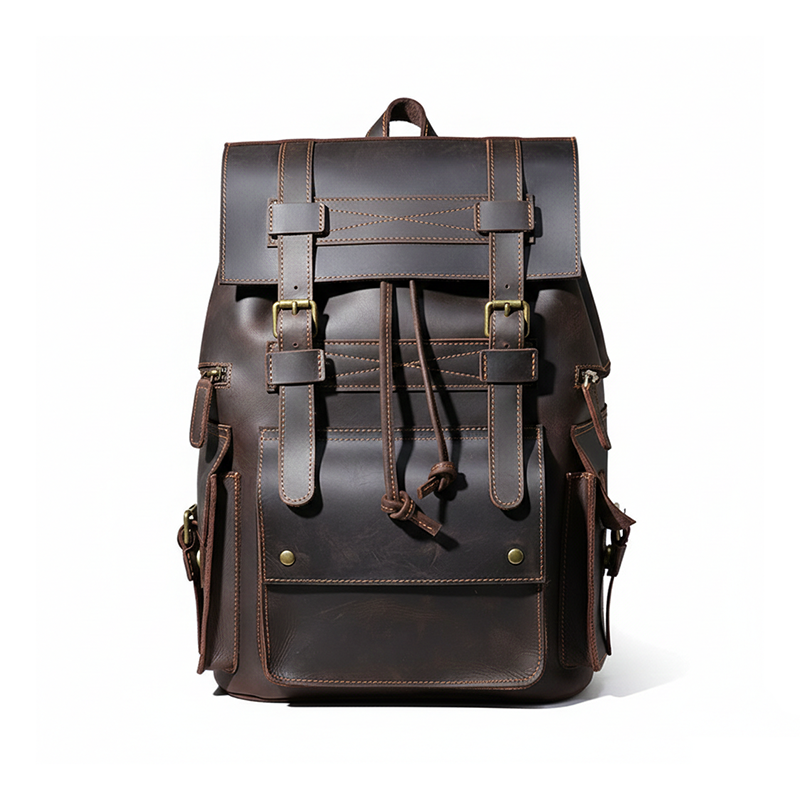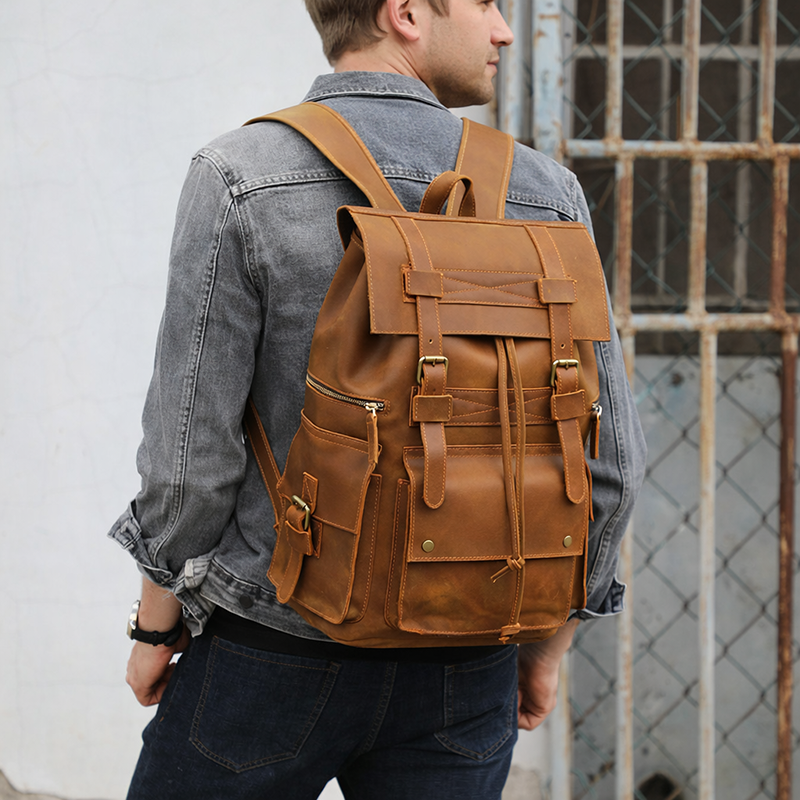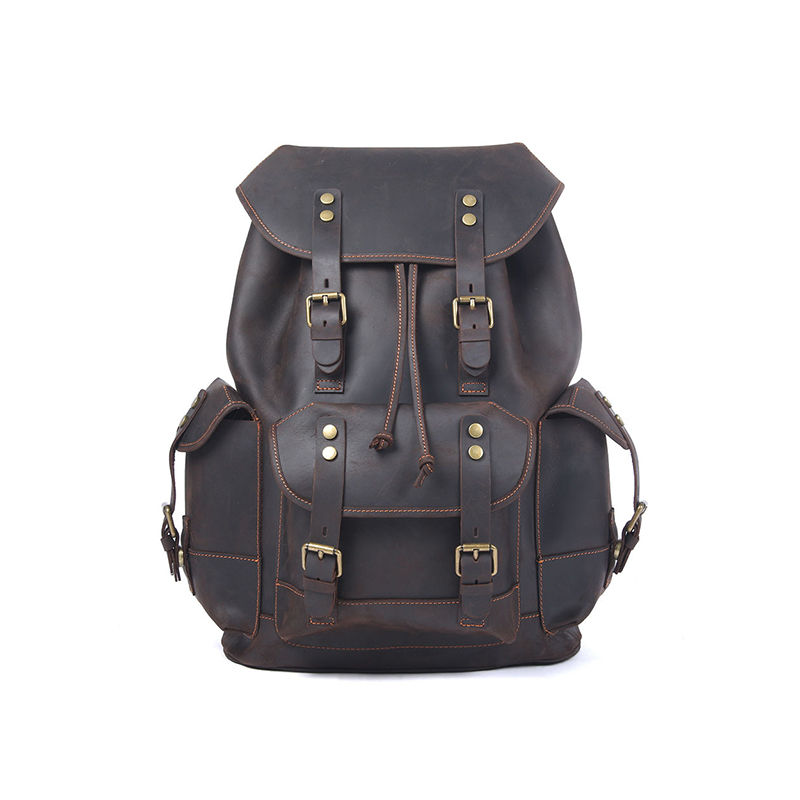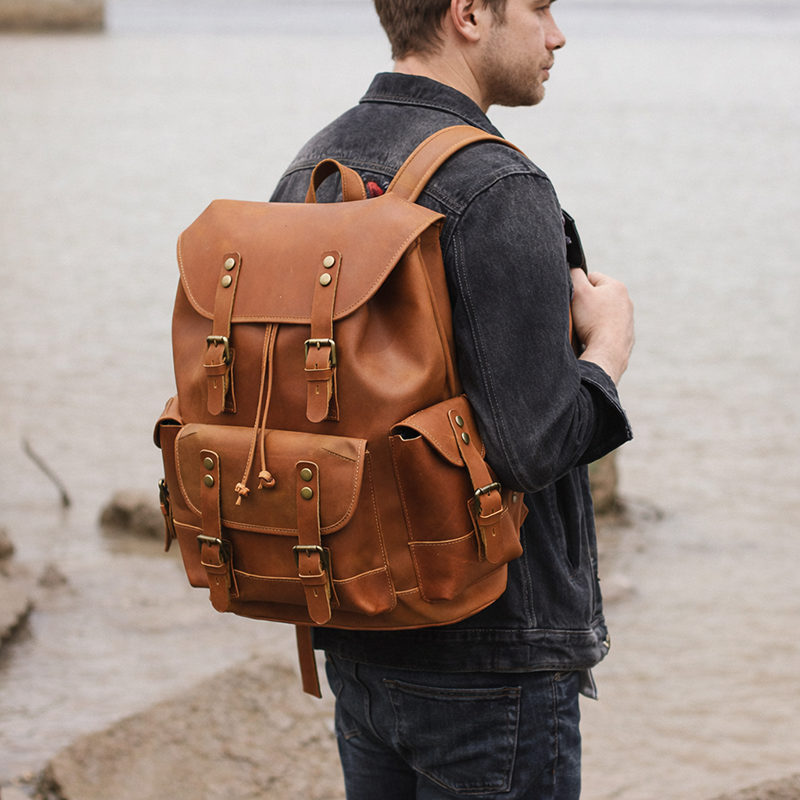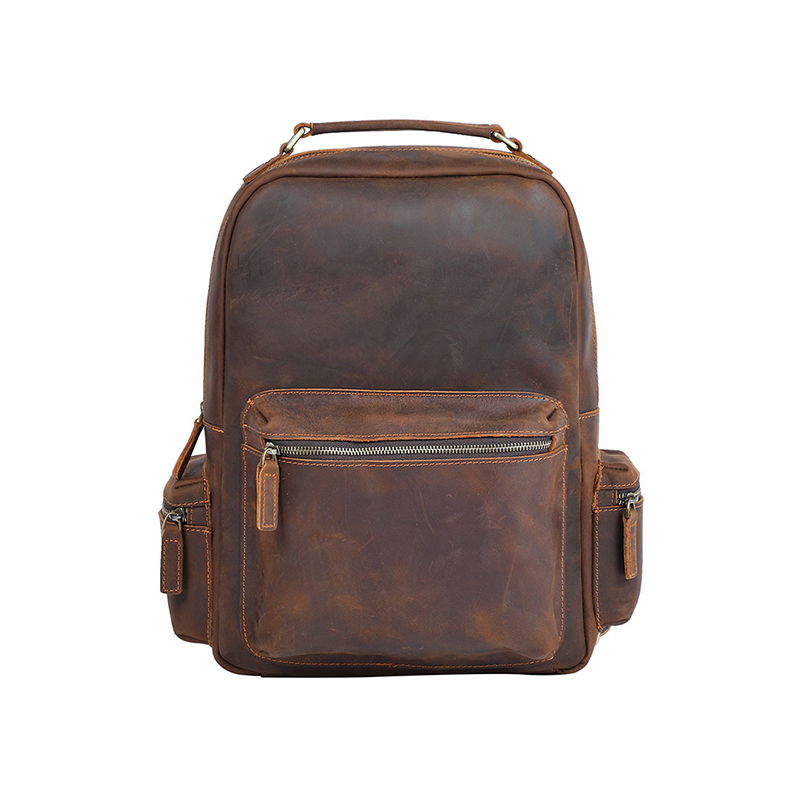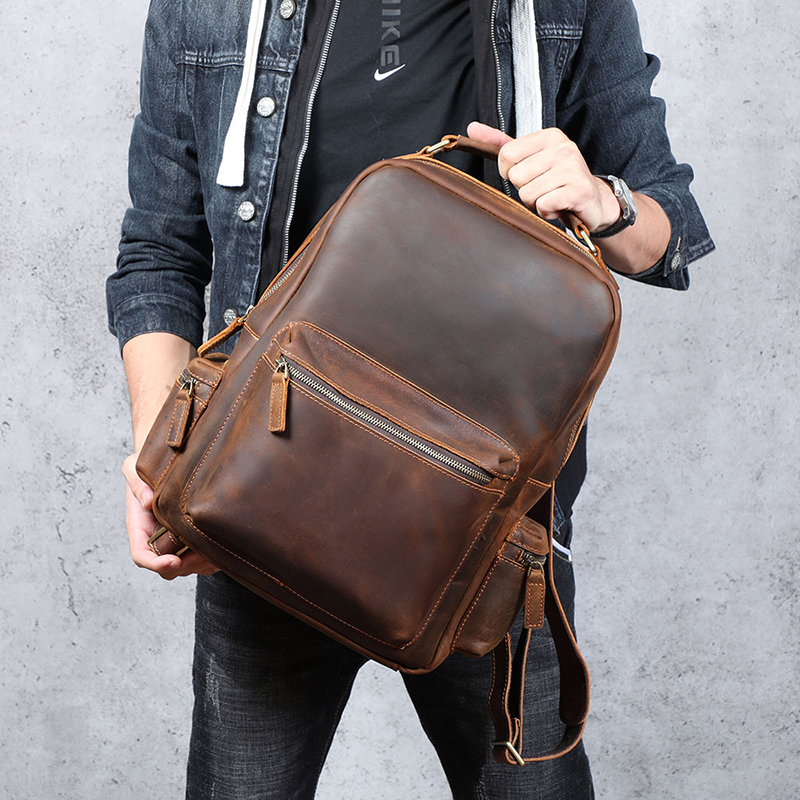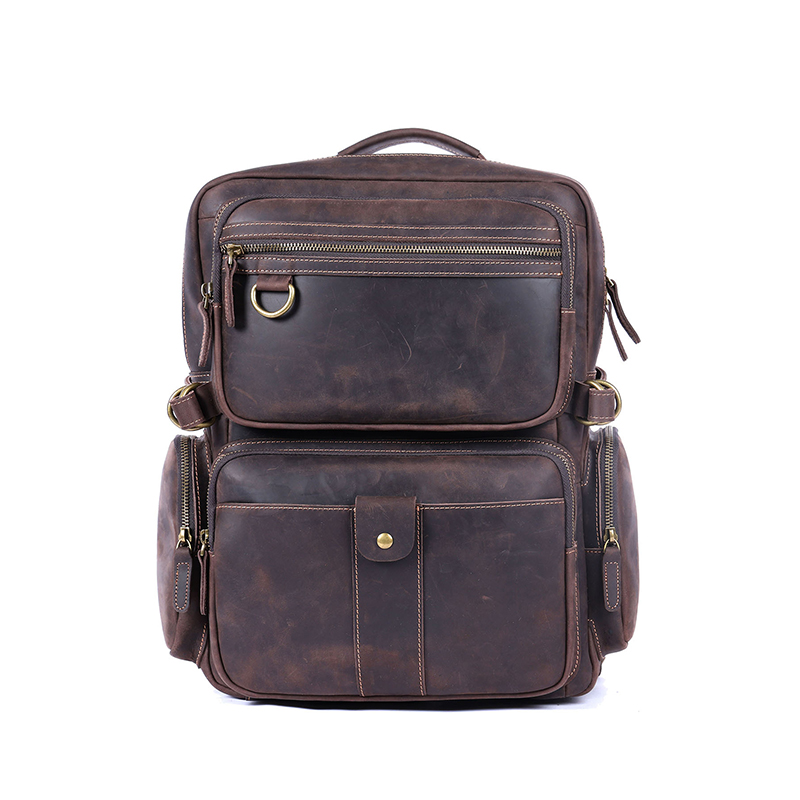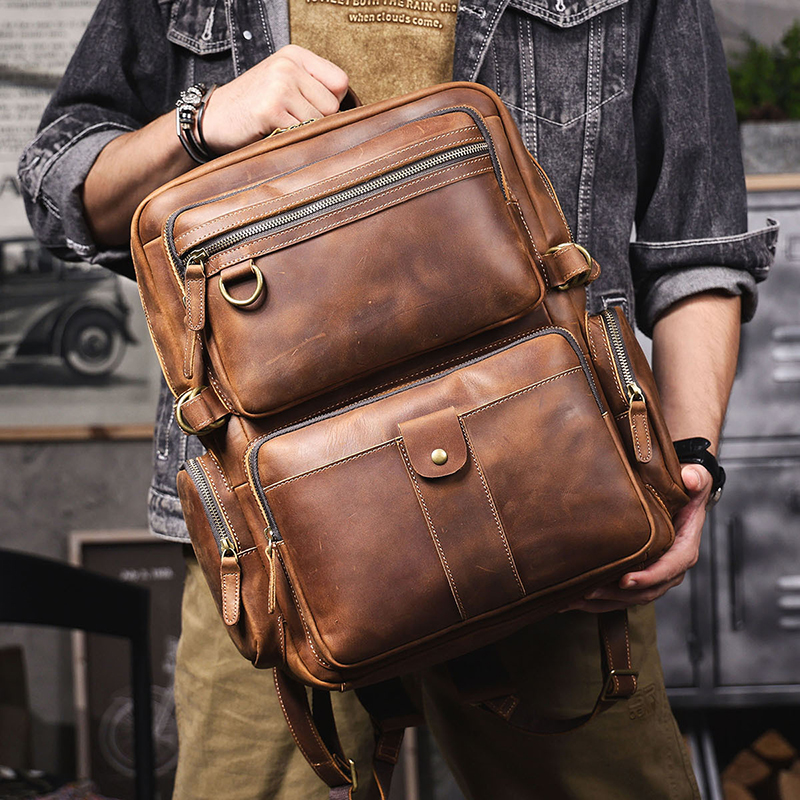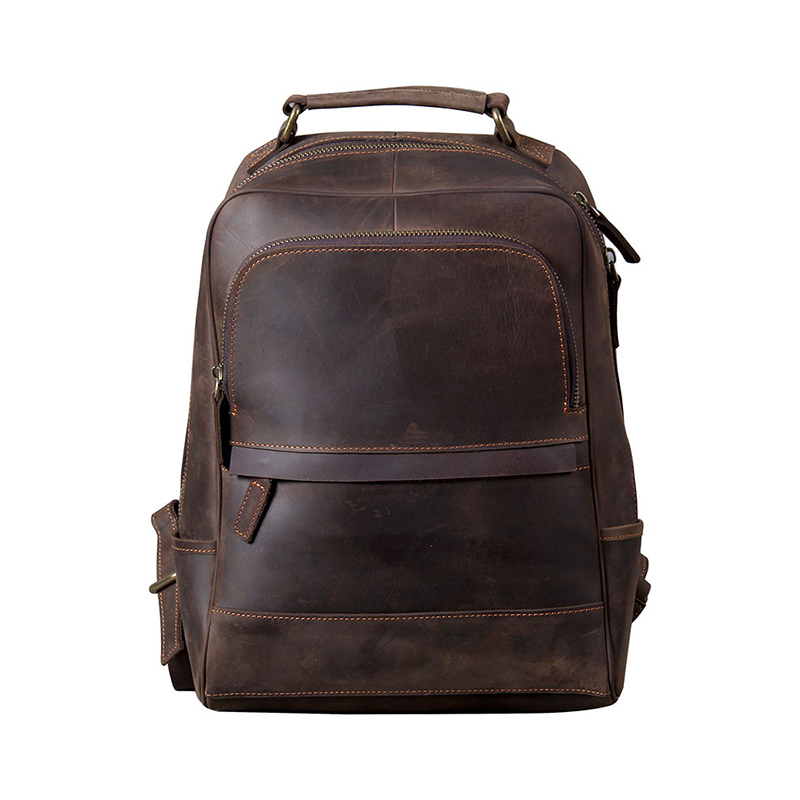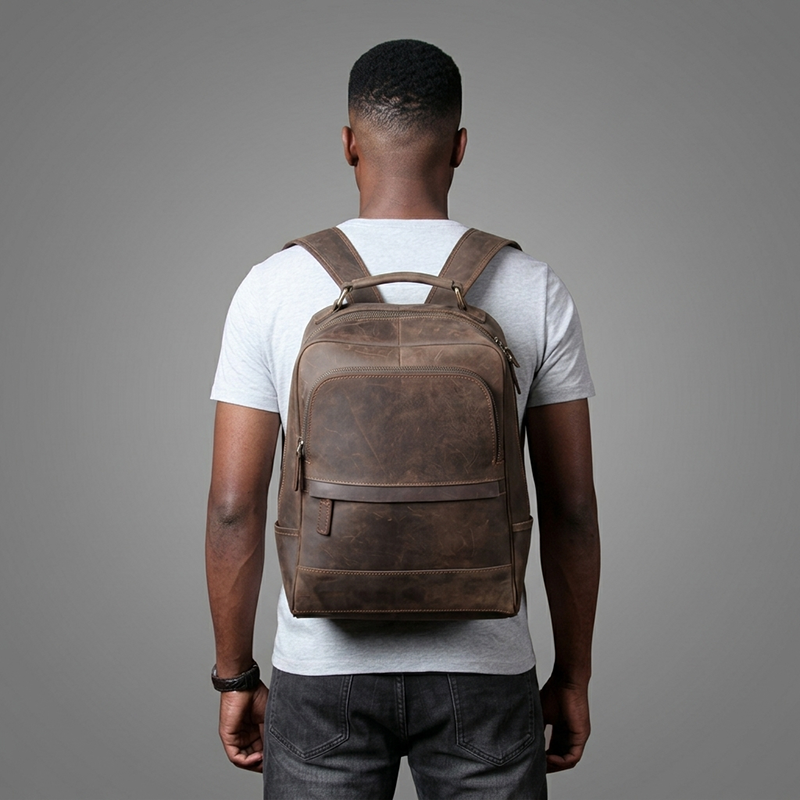
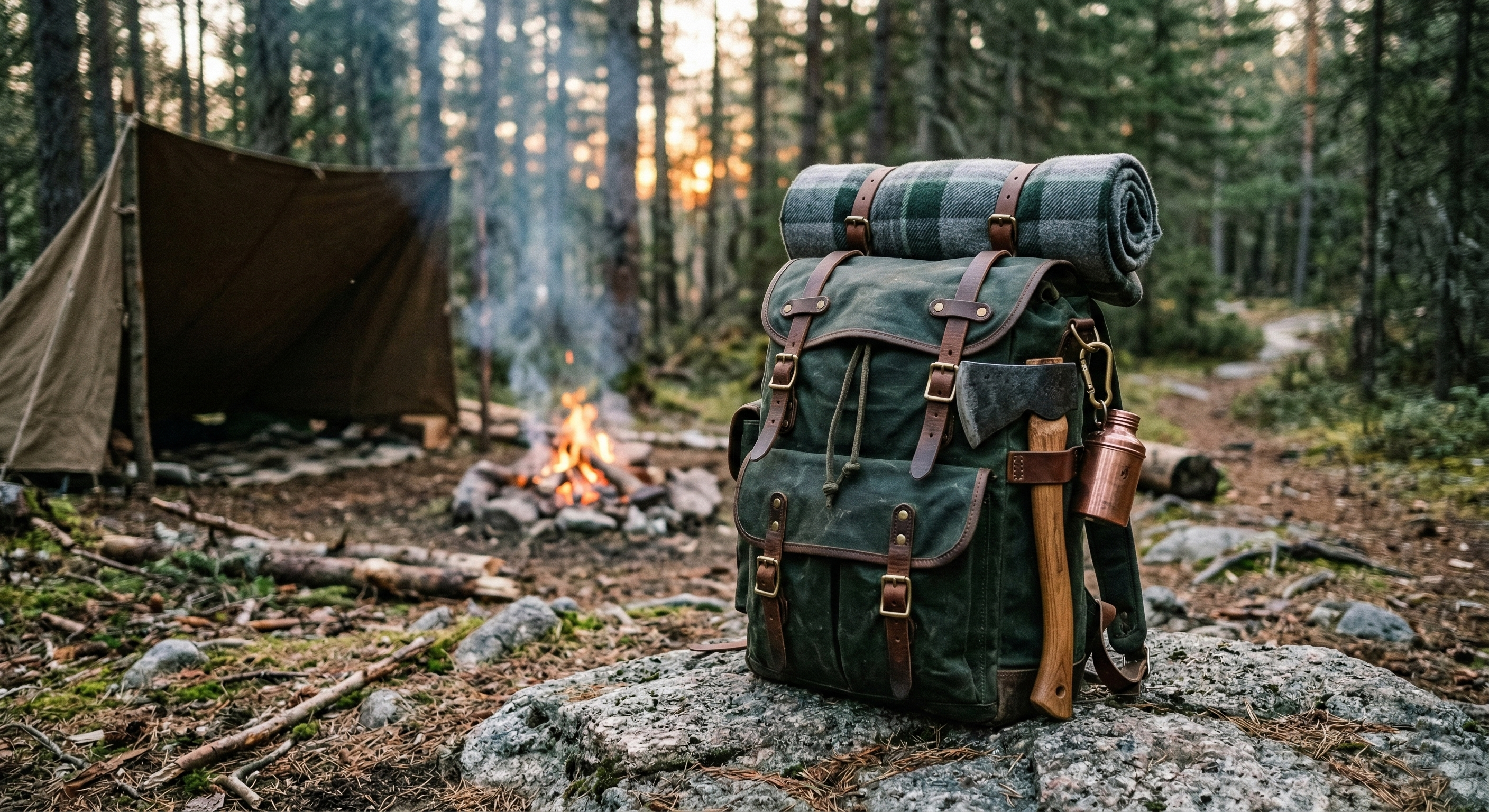
Waxed canvas bushcraft backpacks for remote camping are witnessing a massive resurgence in 2026, as outdoor enthusiasts pivot away from the "disposable" feel of synthetic fabrics. While high-tech materials like Cordura dominated the trails for decades, the soul of the wilderness seems to call for something more permanent, more tactile, and more reliable.
The Tactile Reliability of Waxed Canvas
In an era of hyper-digital living, the "crunch" of a heavy-duty vintage military style canvas backpack with brass hardware offers a grounding experience. Unlike nylon, which can melt near a campfire or tear under the pressure of dense thorns, 18oz waxed canvas creates a natural armor. It doesn't just endure the environment; it adapts to it.
Why Heritage Materials Win in 2026
-
Fire Resistance: A stray ember from a basecamp fire will melt a hole through a synthetic pack in seconds. Waxed canvas is naturally flame-retardant, making it the only choice for those who live by the hearth.
-
The Beauty of Patina: Every scratch, fold, and scuff on a handcrafted vintage canvas backpack tells a story. Like a fine leather jacket, these bags get better—and tougher—with age.
-
Sustainable Longevity: In 2026, sustainability isn't just about recycling; it's about not replacing. A well-maintained canvas rucksack can last a lifetime, reducing the carbon footprint associated with frequent gear upgrades.
Brass and Leather: The Hardware of the Wild
Modern plastic buckles often snap in extreme sub-zero temperatures. That is why the return to solid brass hardware and thick, vegetable-tanned leather straps isn't just about the "retro" look—it’s about fail-safe engineering. When you are miles into the backcountry, a broken buckle is a disaster; a leather strap is a legacy.