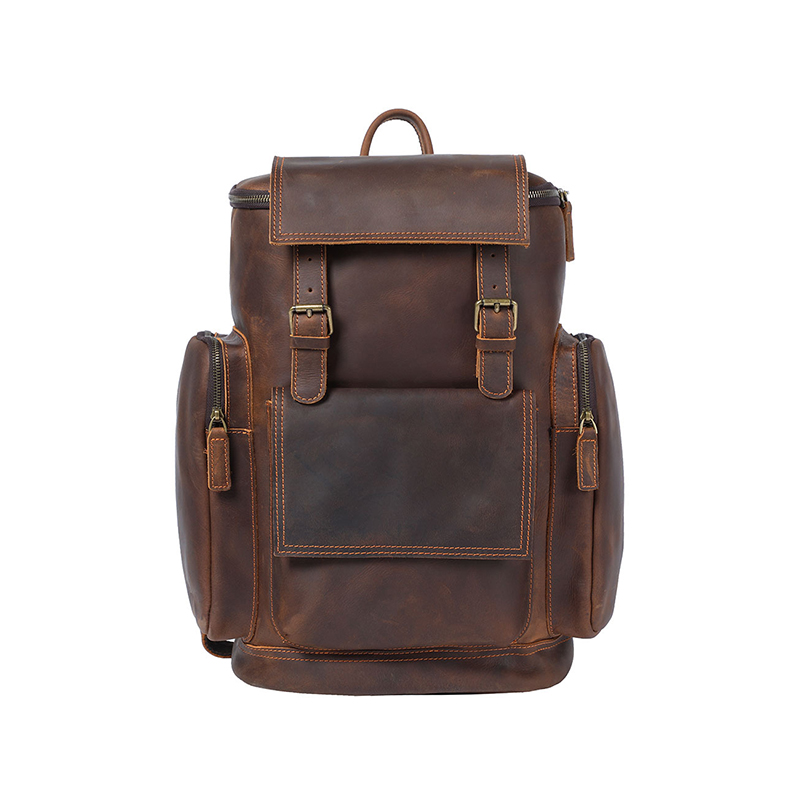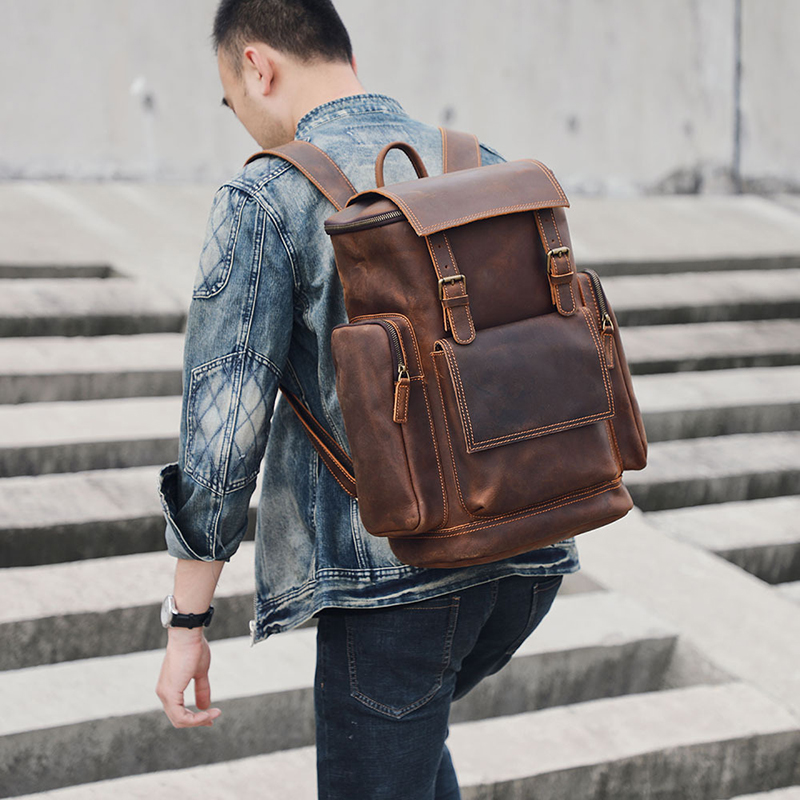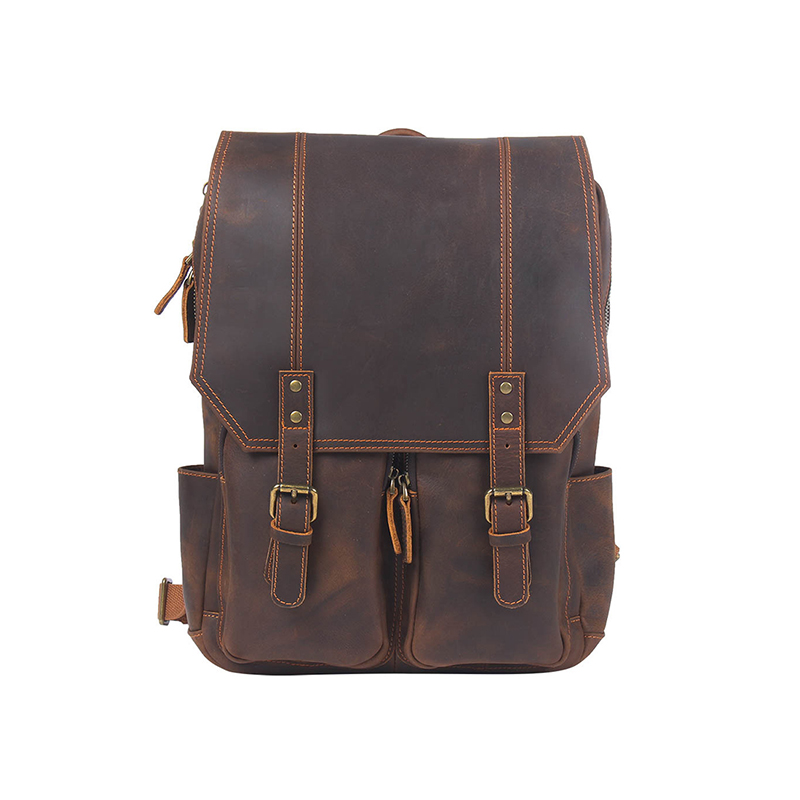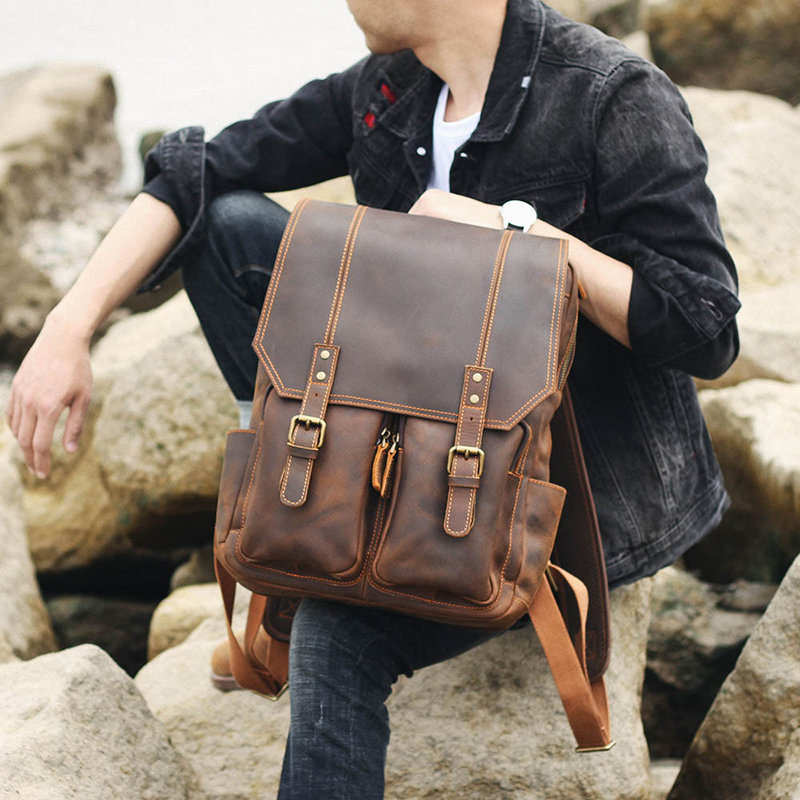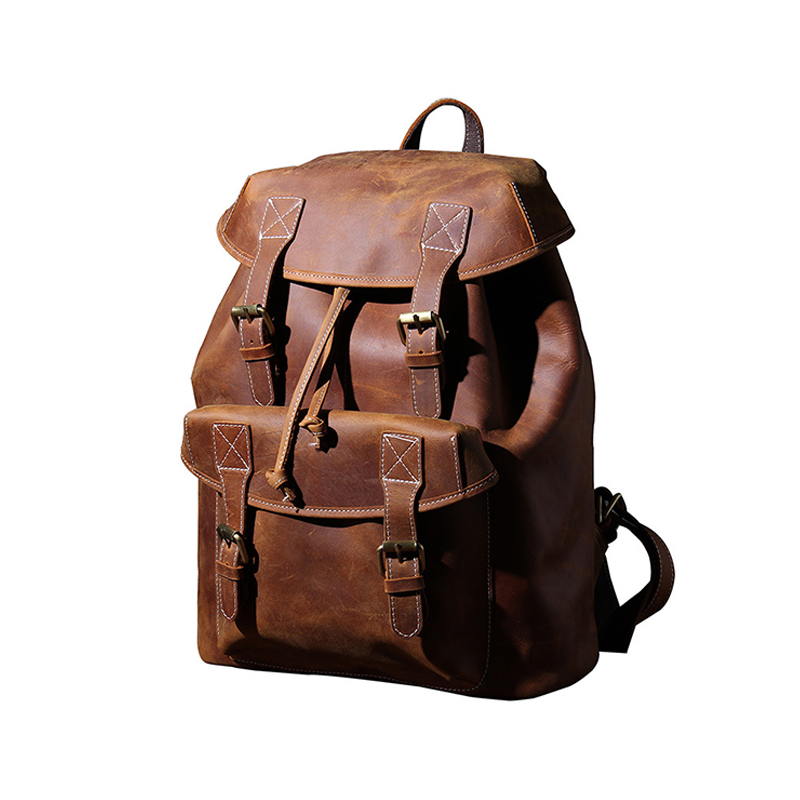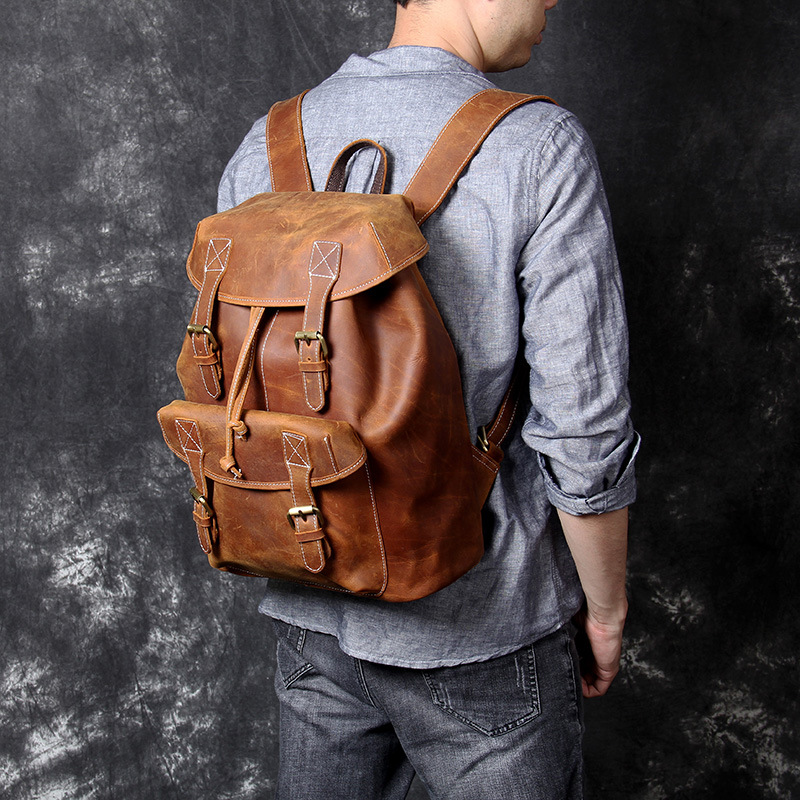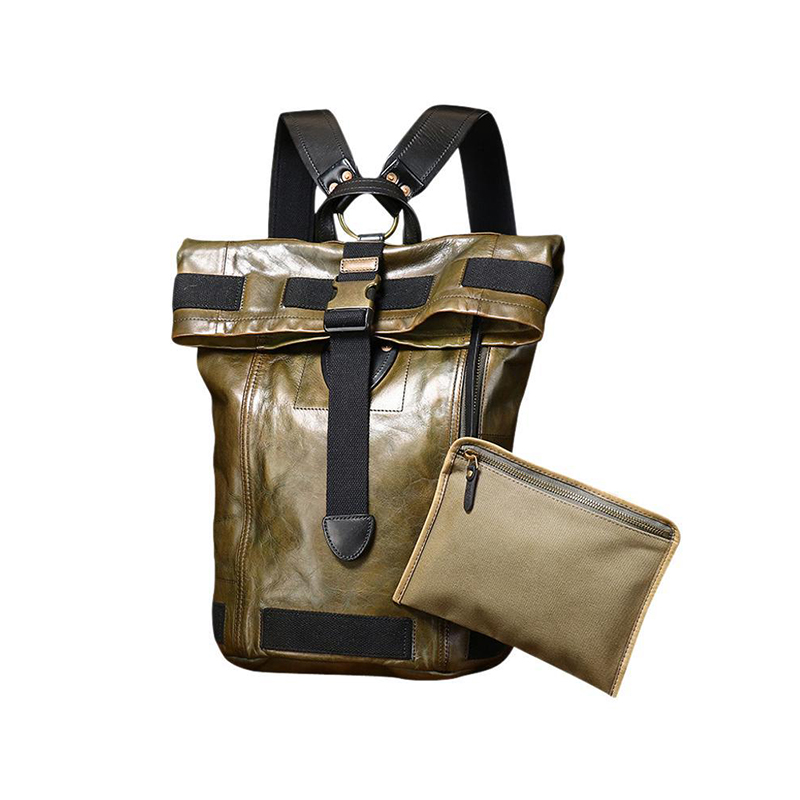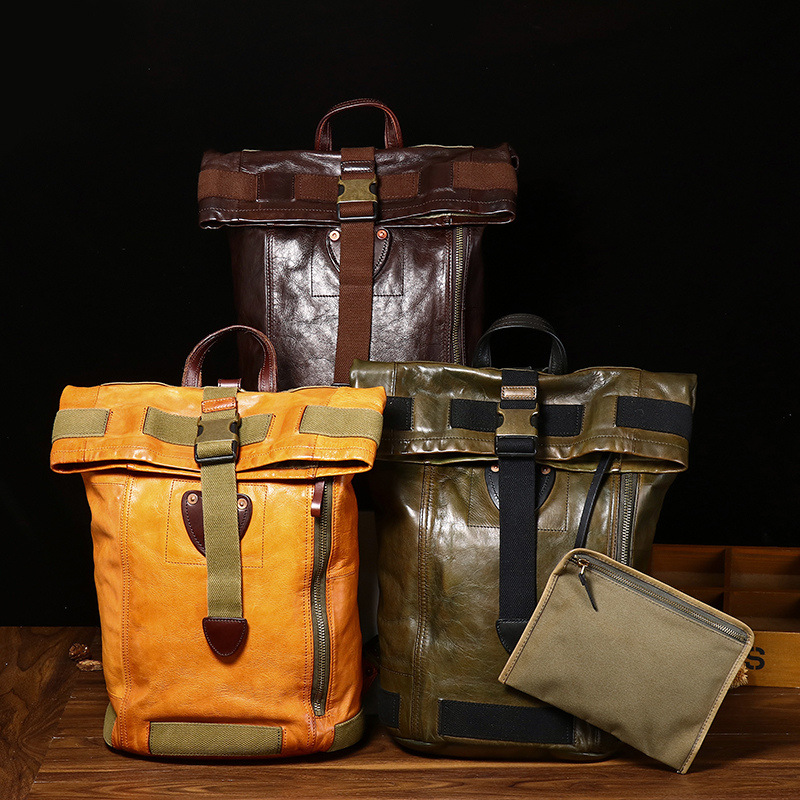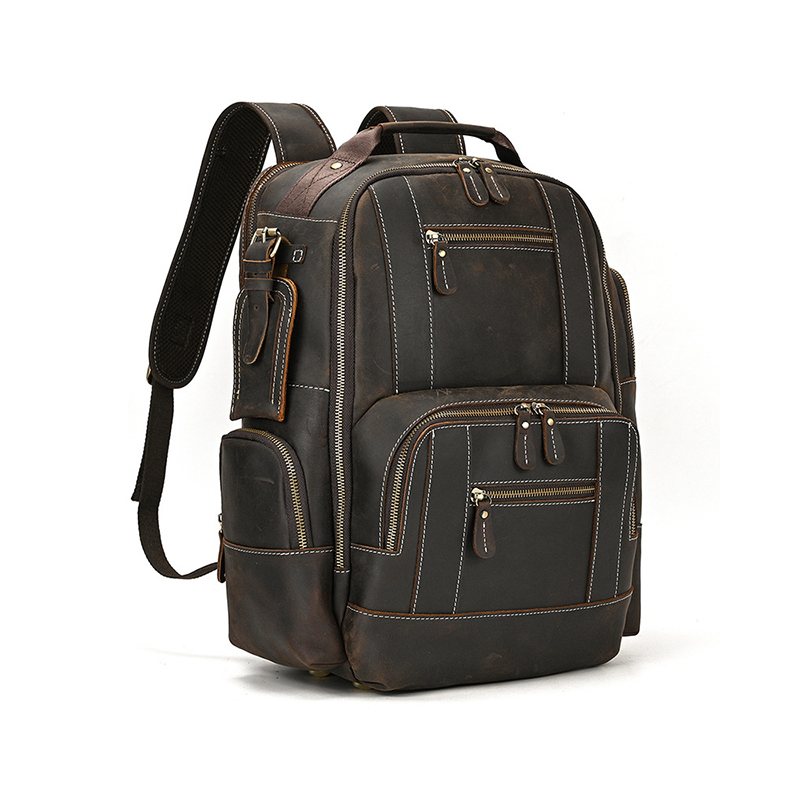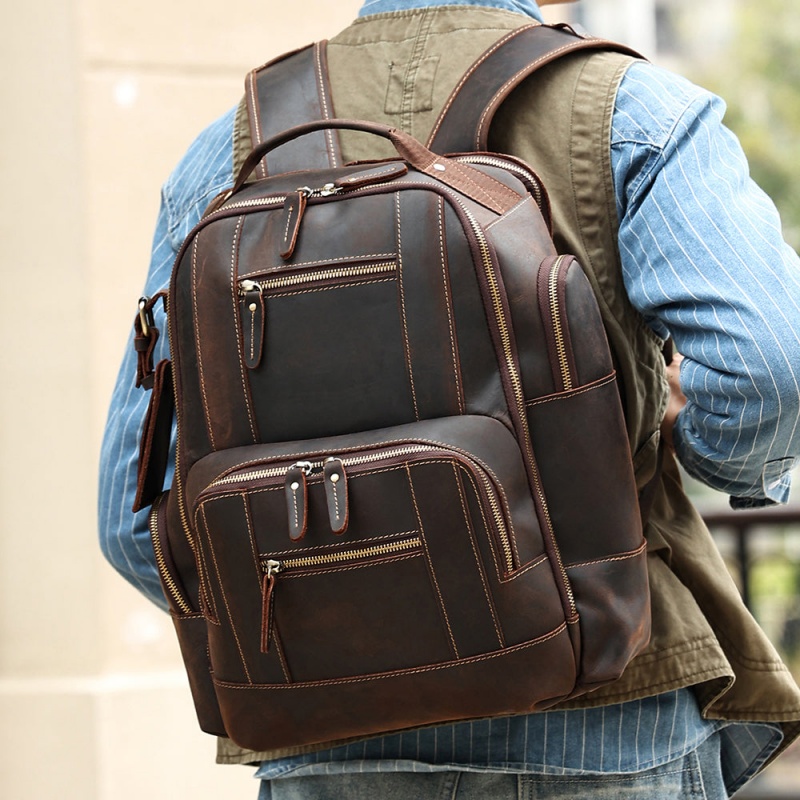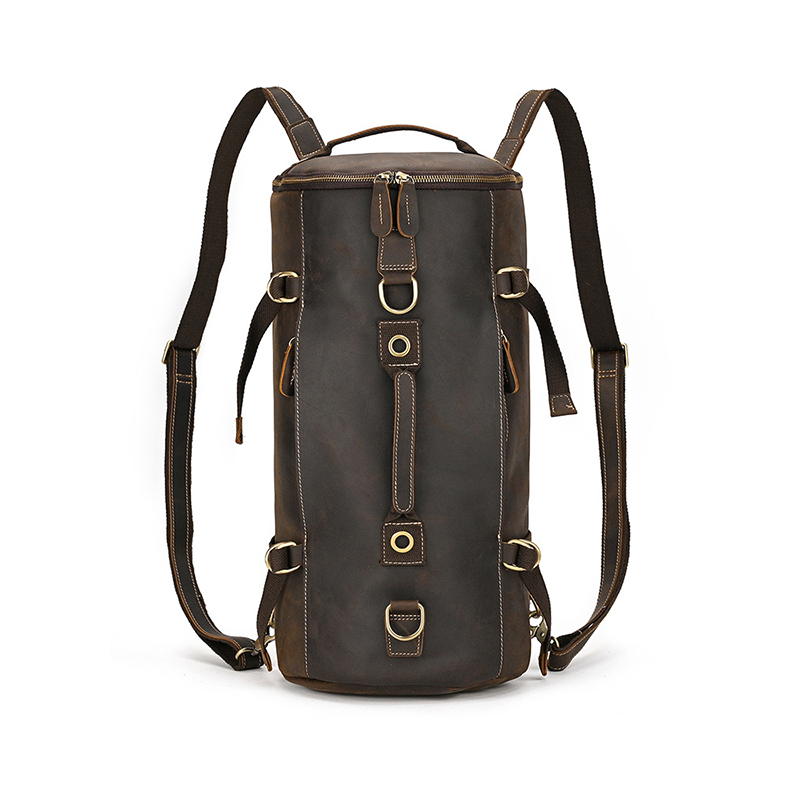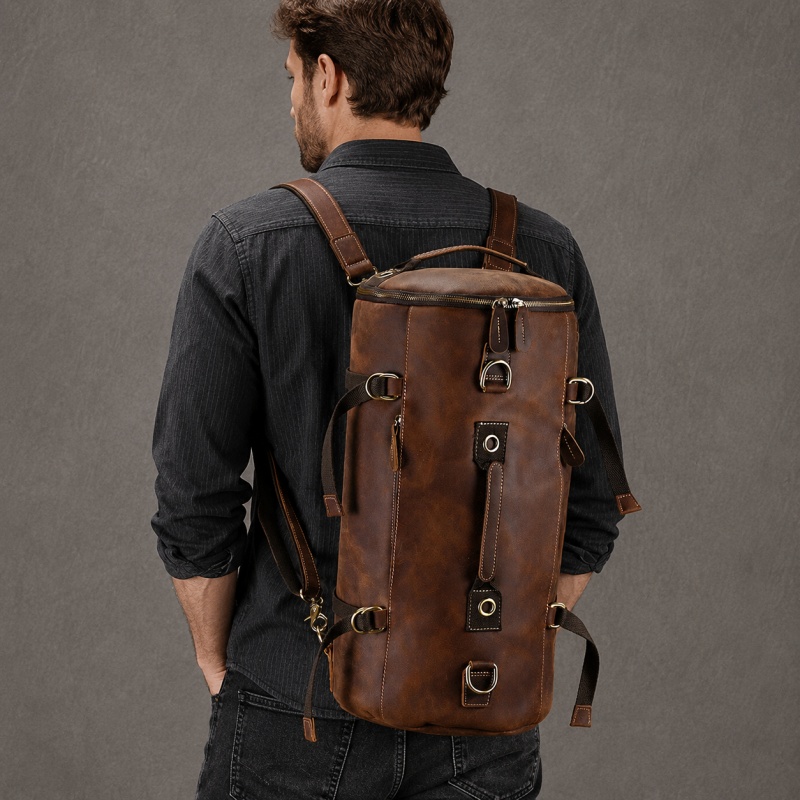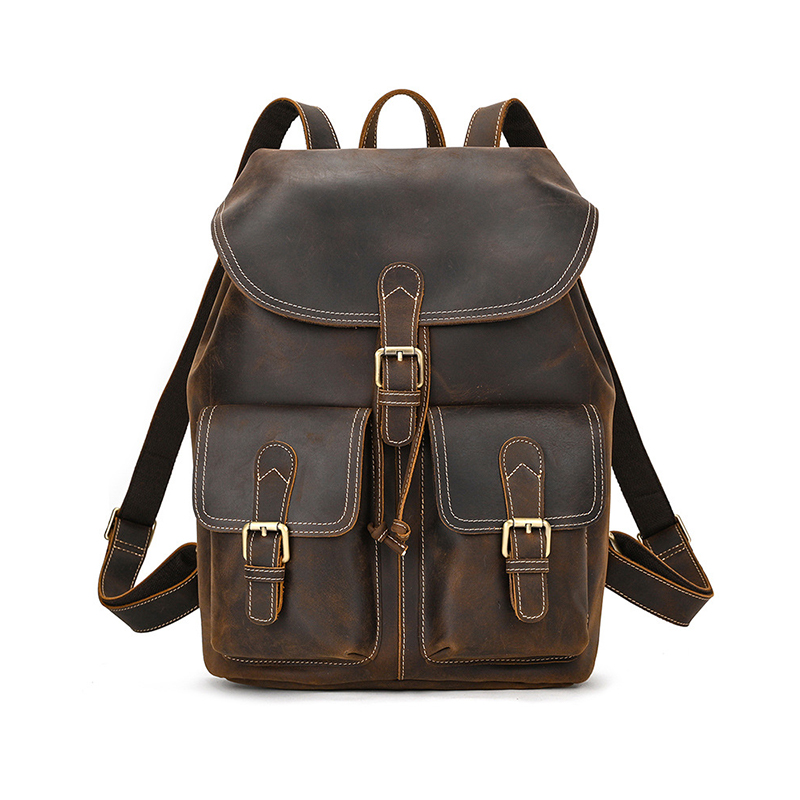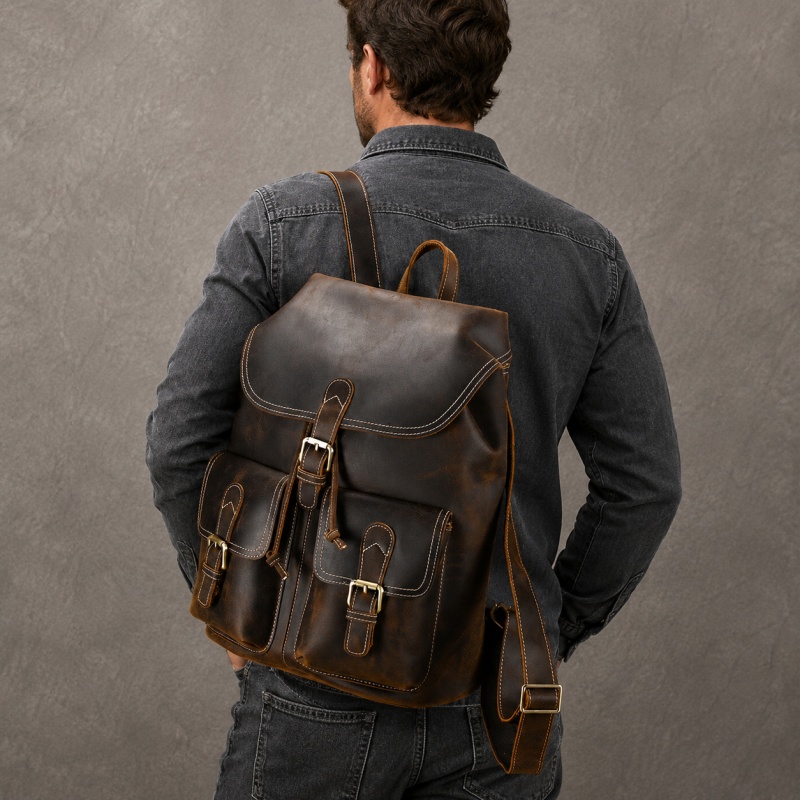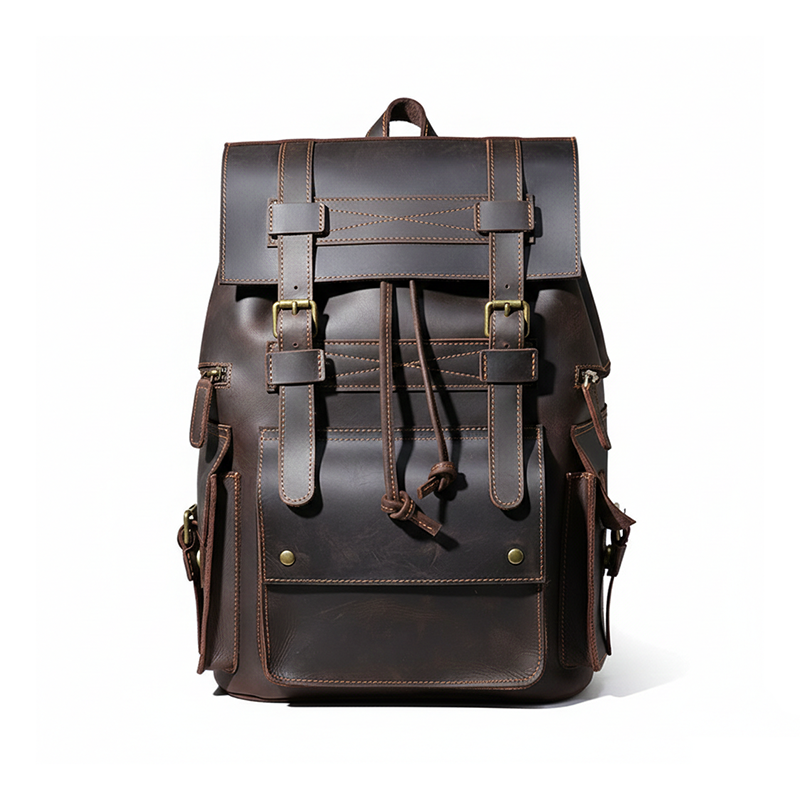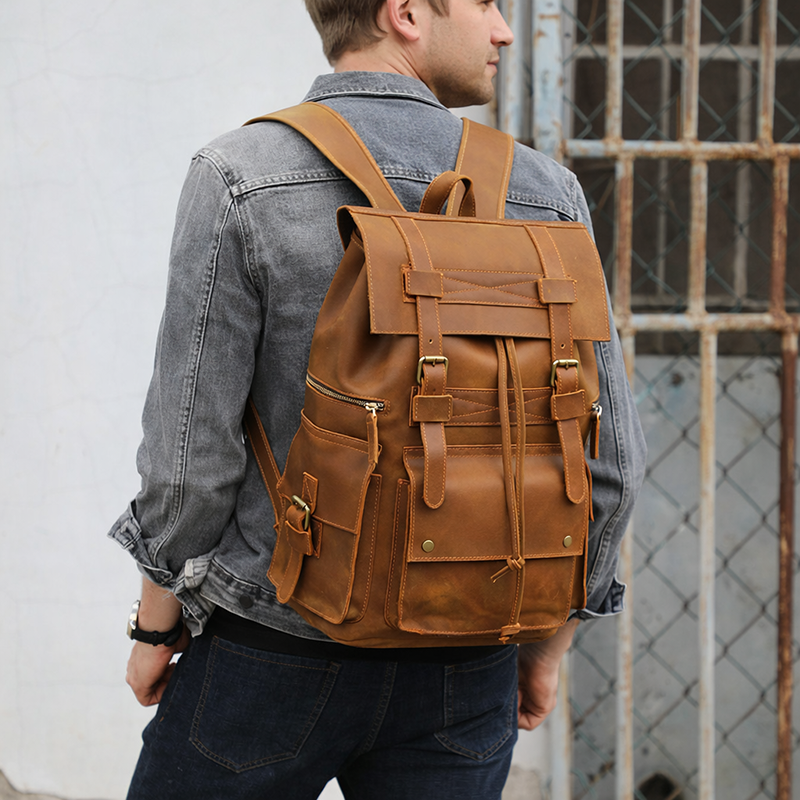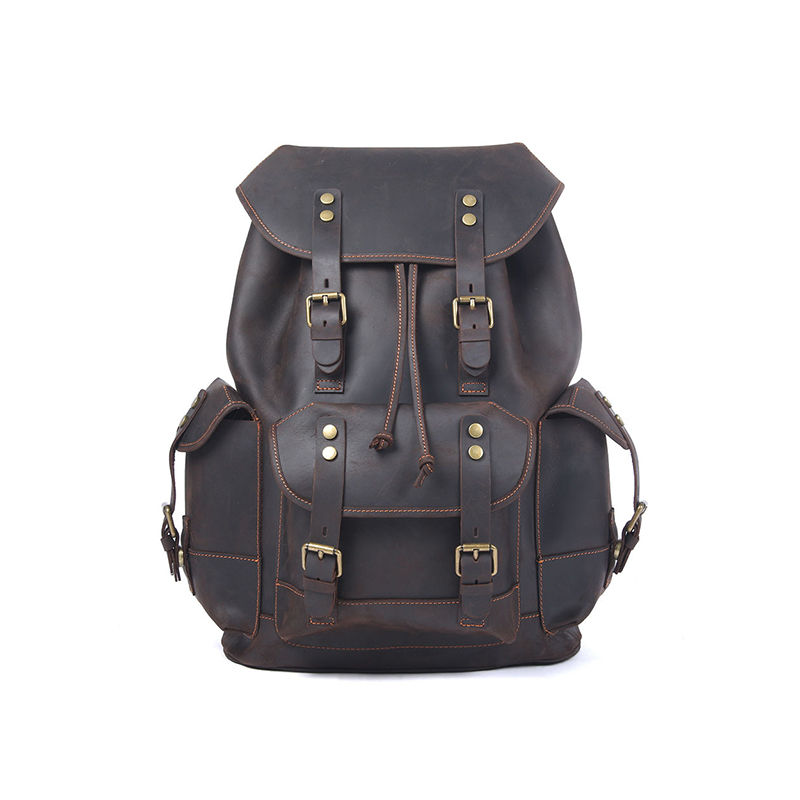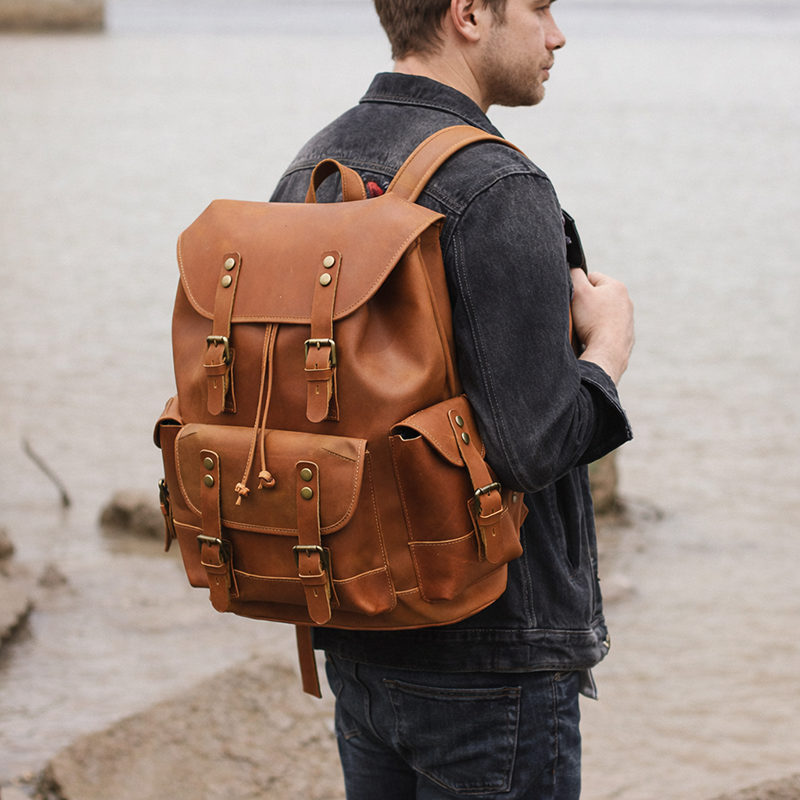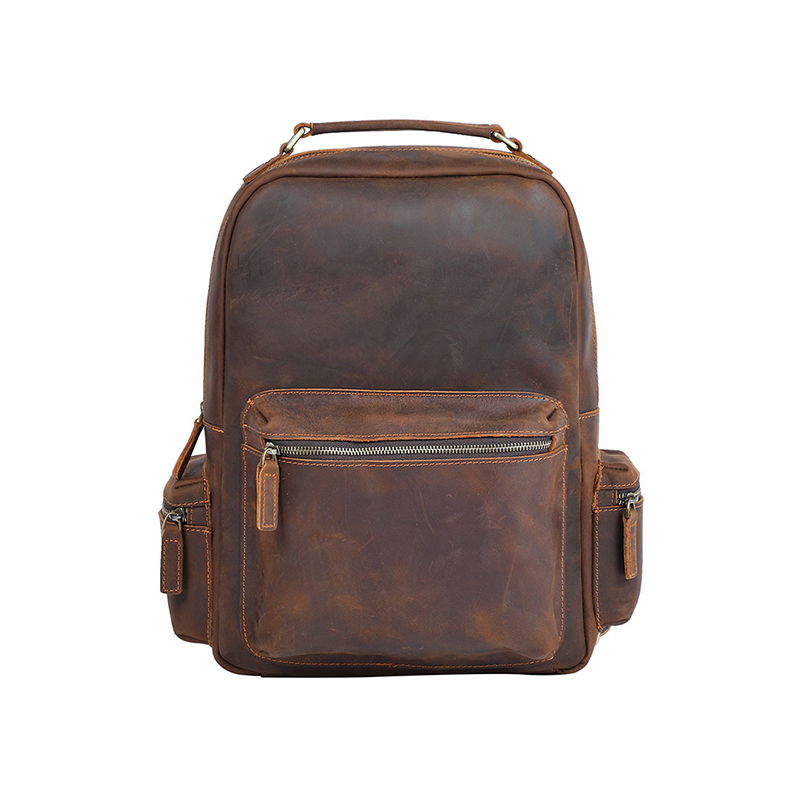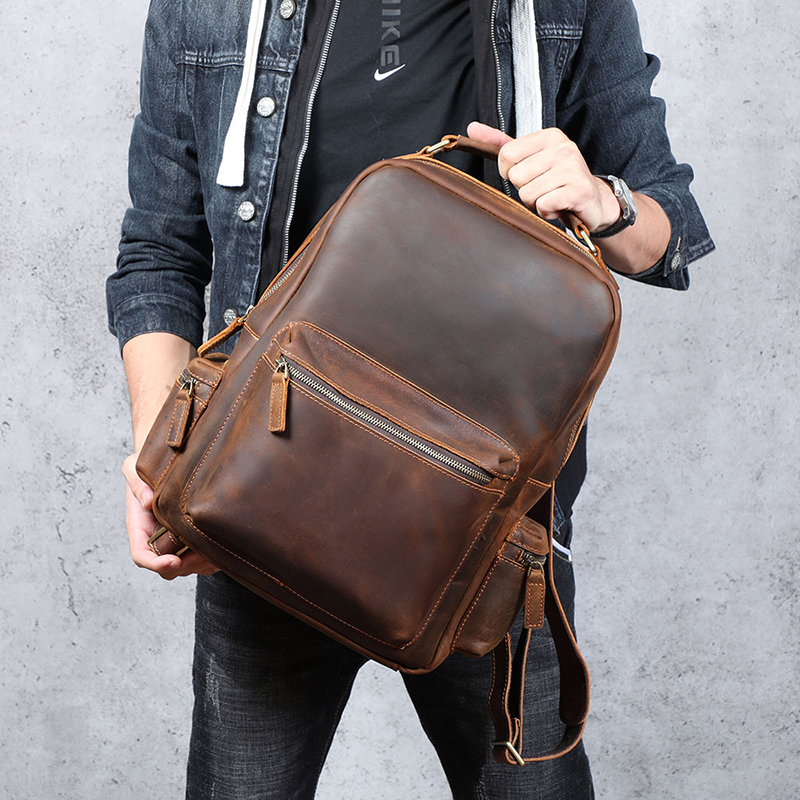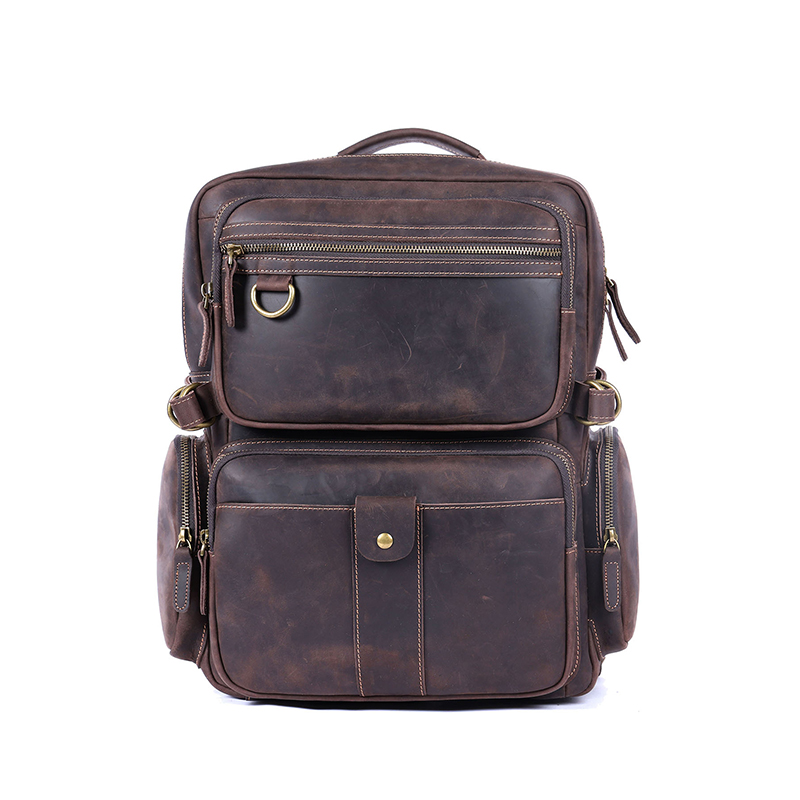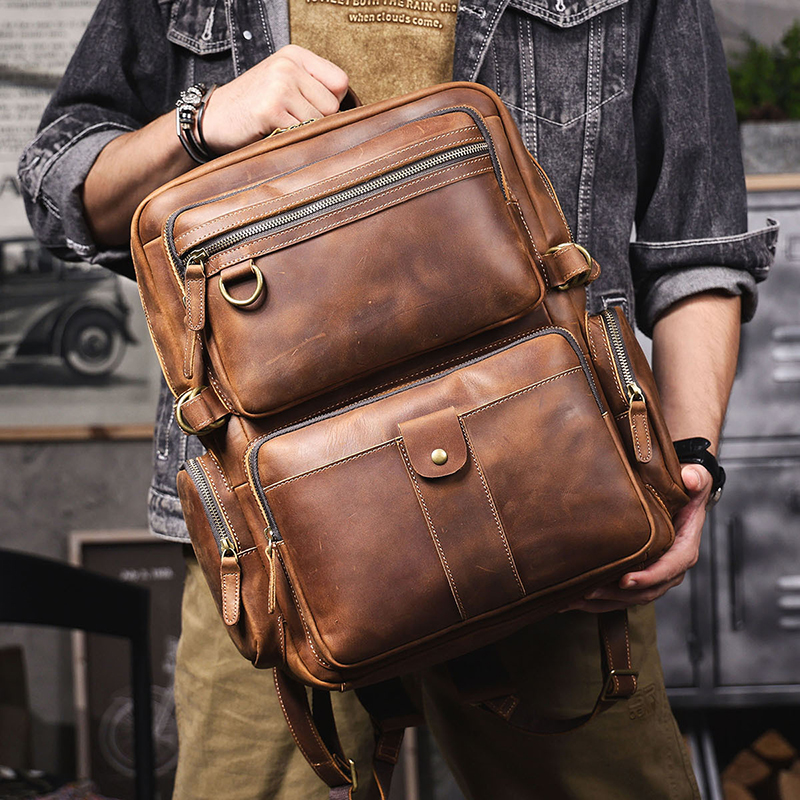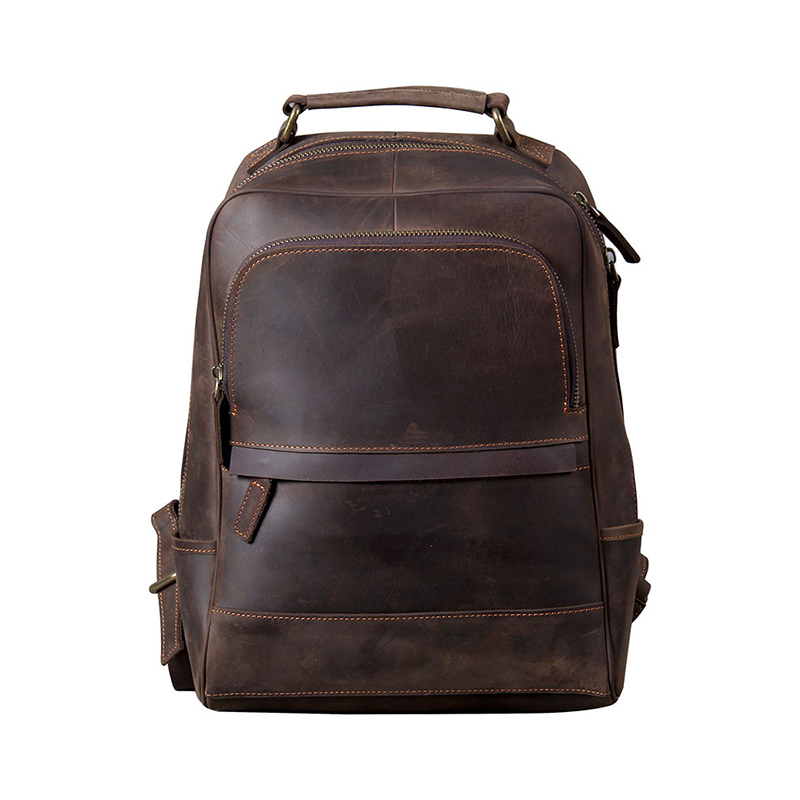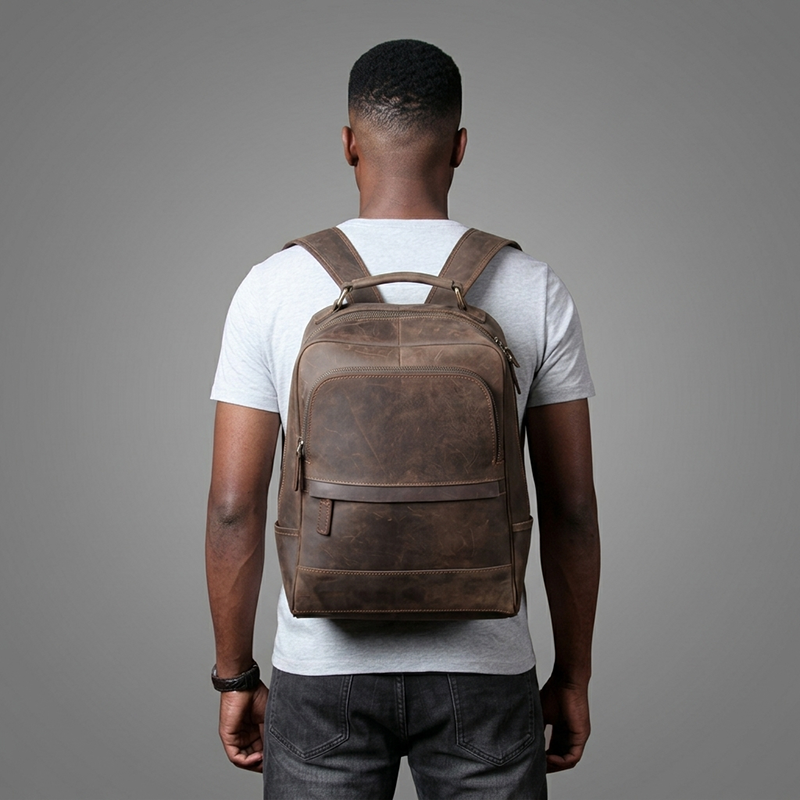
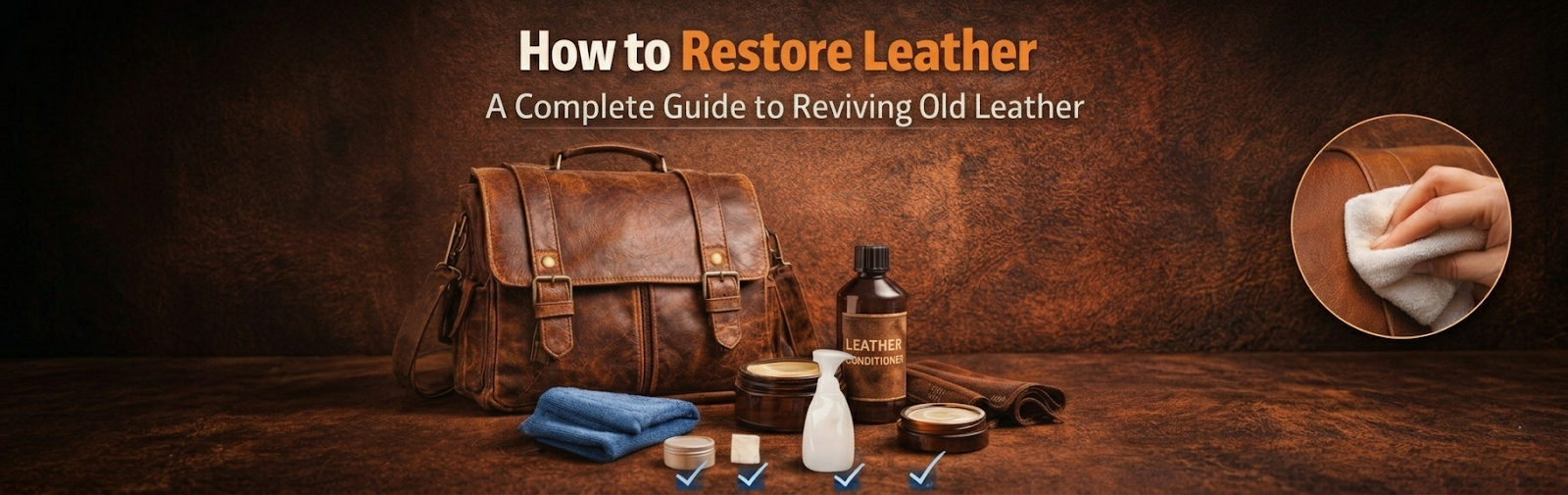
Leather products are known for their durability, timeless style, and ability to age beautifully. However, even high-quality leather items such as a vintage leather backpack, leather messenger bag, or leather travel backpack can become dry, scratched, or faded over time.
The good news is that leather can often be restored with simple care techniques. With proper cleaning, conditioning, and protection, old leather items can regain their softness, color, and durability.
In this guide, you'll learn how to restore leather step by step and keep your leather products looking great for years.
Why Leather Needs Restoration
Leather is a natural material made from animal hide, which means it contains natural oils. Over time, these oils can dry out due to environmental exposure.
Common causes of leather damage include:
-
sunlight exposure
-
moisture and humidity
-
dirt and dust buildup
-
everyday wear and friction
When leather loses its natural oils, it may become:
-
dry and stiff
-
faded in color
-
scratched or scuffed
-
cracked in severe cases
Proper restoration helps extend the lifespan of products like a full grain leather backpack or a crazy horse leather bag.
Step 1: Clean the Leather Properly
Before restoring leather, the surface must be cleaned to remove dirt, oils, and debris.
To clean leather:
-
Use a soft microfiber cloth to wipe away dust.
-
Mix mild soap with warm water.
-
Dip a soft cloth into the solution.
-
Gently wipe the leather surface.
Avoid soaking the leather because excessive moisture can damage materials like vegetable tanned leather or crazy horse leather.
Cleaning is especially important for items such as a leather laptop backpack or leather work bag, which experience daily use.
Step 2: Let the Leather Dry Naturally
After cleaning, allow the leather to dry naturally at room temperature.
Avoid using:
-
hair dryers
-
direct sunlight
-
heaters
Excessive heat can cause leather to shrink or crack.
Place the leather item in a cool, ventilated area and allow it to dry slowly.
Step 3: Condition the Leather
Conditioning is the most important step in leather restoration.
Leather conditioner helps:
-
restore natural oils
-
soften stiff leather
-
prevent cracks
-
improve durability
To condition leather:
-
Apply a small amount of leather conditioner to a soft cloth.
-
Rub the conditioner into the leather using circular motions.
-
Allow the leather to absorb the conditioner.
High-quality materials like full grain leather and top grain leather respond especially well to conditioning.
Step 4: Repair Scratches and Scuffs
Minor scratches are very common on leather items.
Fortunately, many small scratches can be repaired easily.
Methods include:
-
rubbing the area with your fingers
-
applying leather conditioner
-
gently buffing with a soft cloth
For products made from crazy horse leather, scratches are actually part of the material's vintage character.
Many vintage leather backpacks develop unique marks that enhance their appearance over time.
Step 5: Restore Leather Color
If leather has faded significantly, you can restore its color using leather dye or leather recoloring balm.
This works well for items such as:
-
leather messenger bags
-
leather travel backpacks
-
leather backpacks for men
Tips for recoloring leather:
-
test dye on a hidden area first
-
apply thin layers
-
allow proper drying time
Color restoration can dramatically improve the appearance of worn leather.
Step 6: Protect the Leather
After restoration, protecting the leather is essential.
Leather protection creams or waxes help create a barrier against:
-
moisture
-
stains
-
dust
-
everyday wear
Regular protection helps extend the lifespan of products like a premium leather backpack or leather briefcase.
How Often Should You Restore Leather?
For most leather products, basic maintenance should be done every few months.
Recommended schedule:
-
light cleaning every 1–2 months
-
conditioning every 3–6 months
-
full restoration when leather becomes dry or faded
Proper care ensures that items like a leather travel bag or vintage leather backpack can last for many years.
Tips for Maintaining Leather Bags
To keep leather products in excellent condition:
Store leather bags in a cool, dry place.
Avoid prolonged exposure to sunlight.
Use a dust bag when storing a leather backpack for men.
Clean leather regularly to prevent dirt buildup.
With proper care, high-quality leather items can last 10–20 years or longer.
FAQ: Leather Restoration
Can old leather be restored?
Yes. In most cases, old leather can be restored through cleaning, conditioning, and color treatment. Even heavily worn leather bags can regain softness and appearance with proper care.
Does leather conditioner really work?
Yes. Leather conditioner replenishes natural oils that leather loses over time. This helps prevent cracking and keeps leather soft and flexible.
Can cracked leather be repaired?
Minor cracks can often be improved with conditioning and leather repair creams. However, severe cracks may require professional restoration.
How long does real leather last?
High-quality leather such as full grain leather can last decades with proper care and maintenance.
Final Thoughts
Restoring leather is a simple process that can significantly extend the life of your leather goods. With proper cleaning, conditioning, and protection, even old leather items can regain their original beauty.
Whether you're restoring a vintage leather backpack, leather messenger bag, or leather travel backpack, regular care will ensure that your leather products continue to age beautifully and develop a unique character over time.