The best backpack for weekend travel is not simply the biggest one — it is the one that carries what you need without slowing you down.
Most people overshoot on size when shopping for a travel backpack. The logic makes sense: more room means more flexibility. But a bag that's packed to capacity for a two-day trip is a bag that's uncomfortable on a platform, annoying in an overhead bin, and exhausting after three hours of walking around a city. Size matters — but in a different direction than most people expect.
A weekend bag has a specific job. It needs to hold enough for one to three nights without becoming a burden. It needs to carry a laptop if you bring one, handle the occasional rain, and not look out of place whether you're checking into a hotel on Friday evening or at a coffee meeting on Monday morning. Getting that balance right is what separates a weekend backpack that stays in rotation for years from one that gets swapped out after a few trips.
Here's what actually matters when you're choosing one.
What Makes A Backpack Good For Weekend Travel?
The question worth starting with isn't capacity — it's context. Where are you going, how are you getting there, and what does the trip actually look like day to day?
A weekend trip that involves a flight, a train, and a lot of walking puts different demands on a bag than a road trip to a friend's place where the car does the heavy lifting. But across most weekend travel scenarios, a few qualities consistently separate a bag that works from one that doesn't.
Capacity in the right range — enough for two days of clothing, toiletries, a laptop, and the usual travel miscellany, without being so large that it becomes a burden on its own.
Comfortable shoulder straps — not afterthoughts. A bag carried over any real distance will make its strap quality felt. Width and padding matter here more than they seem to when you're testing the bag in a store.
Organized pockets — because a single large compartment that you have to dig through to find your passport at customs is genuinely frustrating. Quick-access pockets for the things you reach for constantly matter more on trips than in regular daily use.
Durable, weather-tolerant material — travel involves more contact with more surfaces than everyday use, and the occasional rain is part of most trips. The bag needs to handle that without being babied.
A look that travels — not in a tactical or aggressively outdoor direction, but in a way that works across the different contexts a weekend trip typically spans.
A good weekend backpack should feel like a travel bag when packed, but still look like an everyday backpack when you're not traveling. That's a harder design brief than it sounds.
What Size Backpack Do You Need For A Weekend Trip?
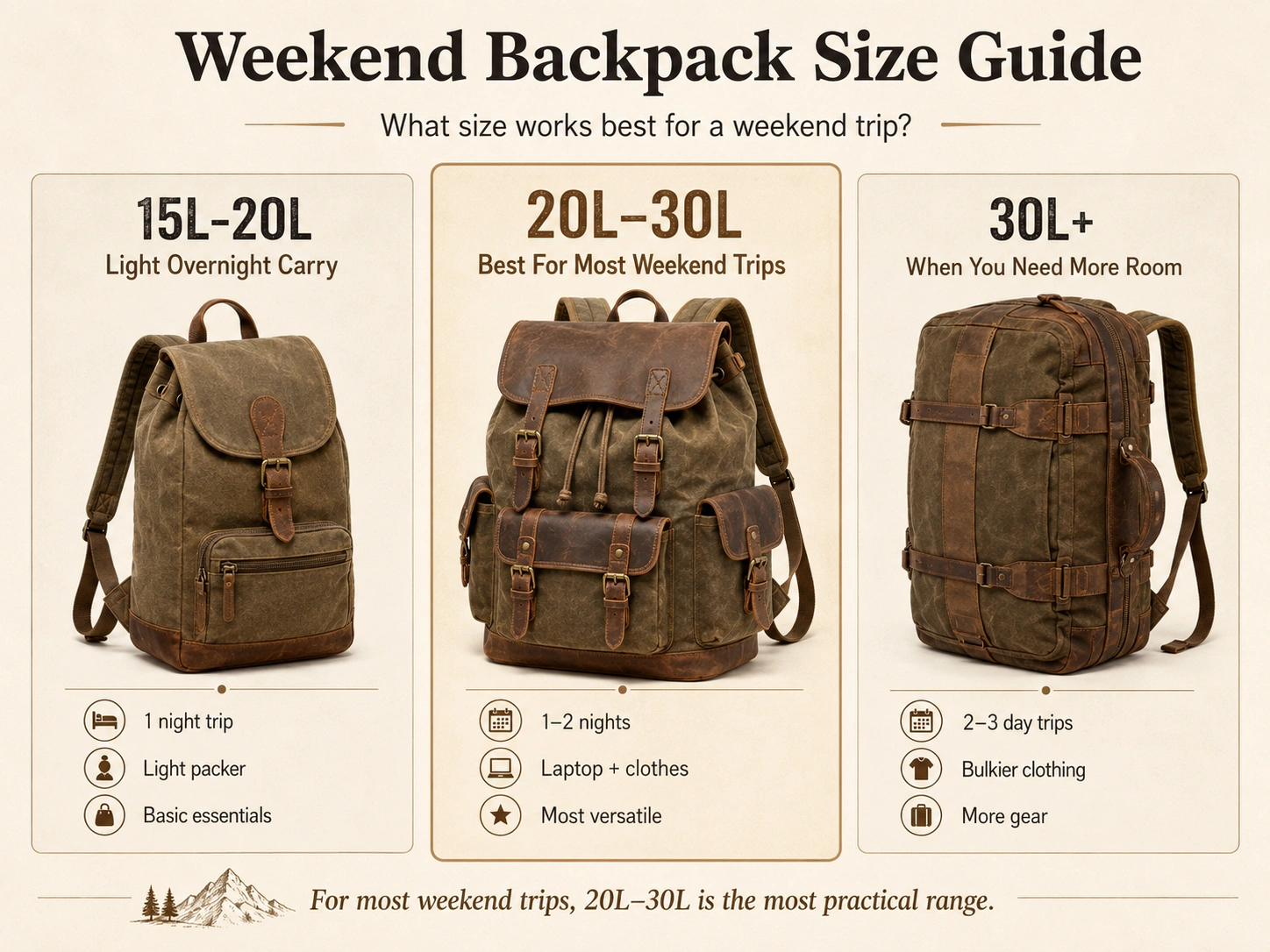
15L–20L: Light Overnight Carry
At the lower end of the range, you're packing for one night with discipline. One change of clothes, a small wash bag, phone charger, a book or headphones. It works well for a quick overnight where you know exactly what you're bringing and you're not adding much.
The limitations show up in winter — a couple of heavier layers eats this capacity fast — and for anything longer than a night where you want options. For lightweight commuters who also take short overnight trips and want a single bag that does both, 15–20L can be the right answer. For most weekend trips of more than one night, it's not quite enough.
20L–30L: The Sweet Spot For Most Weekend Trips
This is where most weekend travel backpacks live, and for good reason. A 25L bag handles one to two nights of normal packing comfortably — a couple of changes of clothes, a toiletry kit, a laptop, charger, water bottle, and light jacket. There's room to move things around without having to ration every item.
At this size, the bag also remains manageable as a personal item on most flights and doesn't feel punishing to carry for long stretches. For most people taking most weekend trips, this is the range worth focusing on.
30L And Above: When You Need More Room
Beyond 30L, you're into territory that starts to feel more like a travel pack and less like a weekend bag. It's the right call for three-day trips, winter travel where every layer takes up real space, or situations where you need to bring camera gear, extra footwear, or bulkier items.
The trade-off is real: a 30L+ bag packed properly is a noticeably heavier object to carry, especially through airports or across cities. It's also easy to overpack into — more room tends to invite more stuff, which defeats the original purpose. If you find yourself reaching for 30L+ regularly, it may be worth asking whether a small duffle bag is actually a better fit for how you travel.
Canvas Backpack vs Leather Backpack For Weekend Travel
Material affects the travel experience in ways that go beyond aesthetics — weight, durability, how the bag handles weather, and how it wears over time.
Canvas Backpack
Canvas, and particularly waxed canvas, is genuinely well-suited to weekend travel. It's lighter than leather, handles the everyday friction of travel well — being set down, pushed into overhead compartments, brushed against different surfaces — and develops natural character with use rather than just wearing out. Waxed canvas also offers real water resistance for the rain that travel inevitably involves, without requiring the careful handling leather does in wet conditions.
Stylistically, canvas sits naturally in the casual-to-smart-casual range that most weekend trips occupy. It pairs easily with jeans, boots, and a jacket, and it doesn't look out of place in the kinds of mixed settings — trains, restaurants, hotels, streets — that travel tends to involve.
Leather Backpack
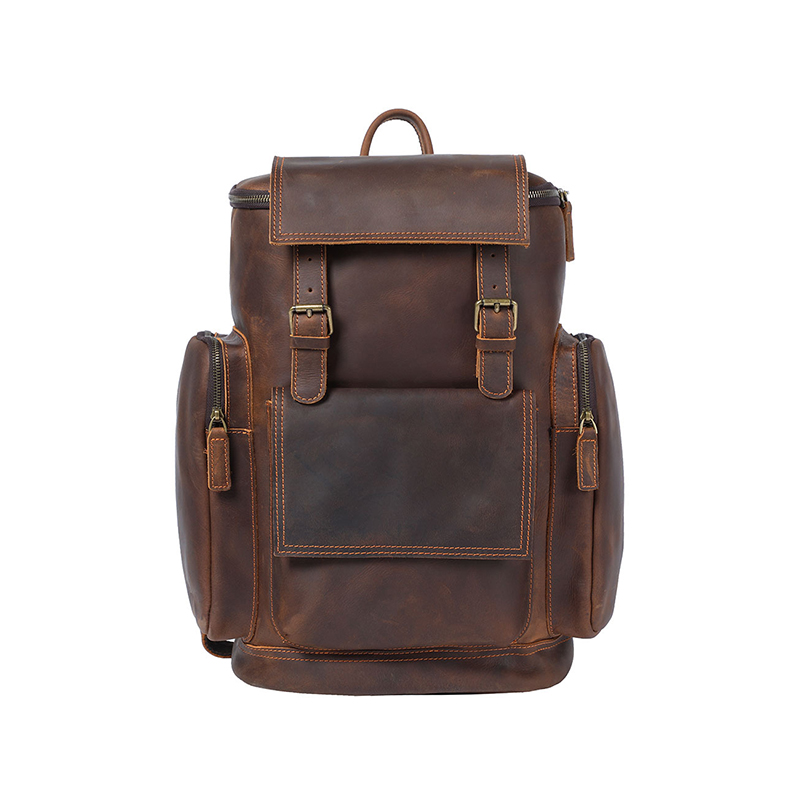
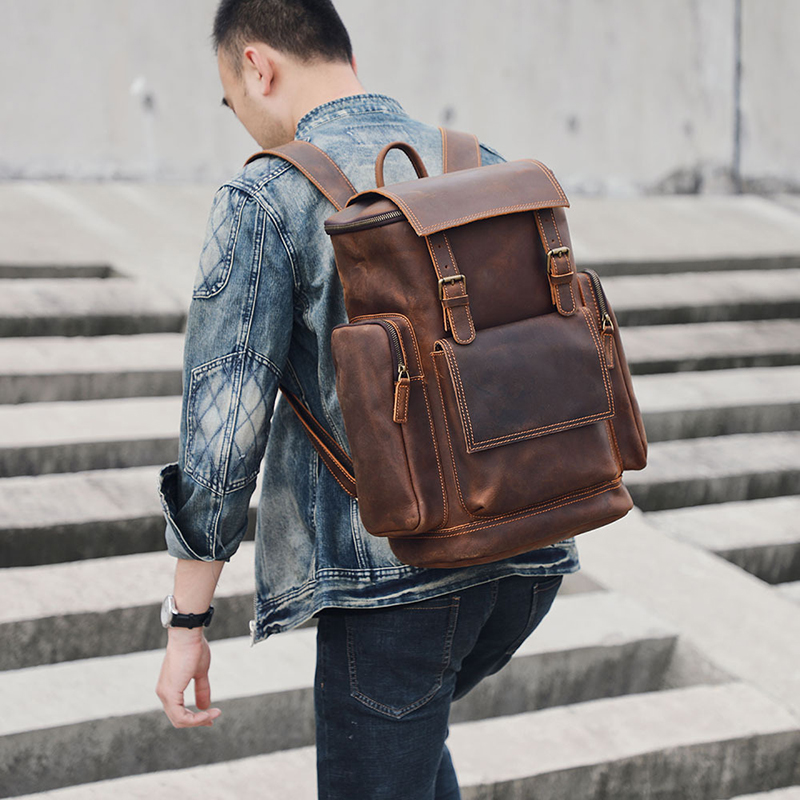
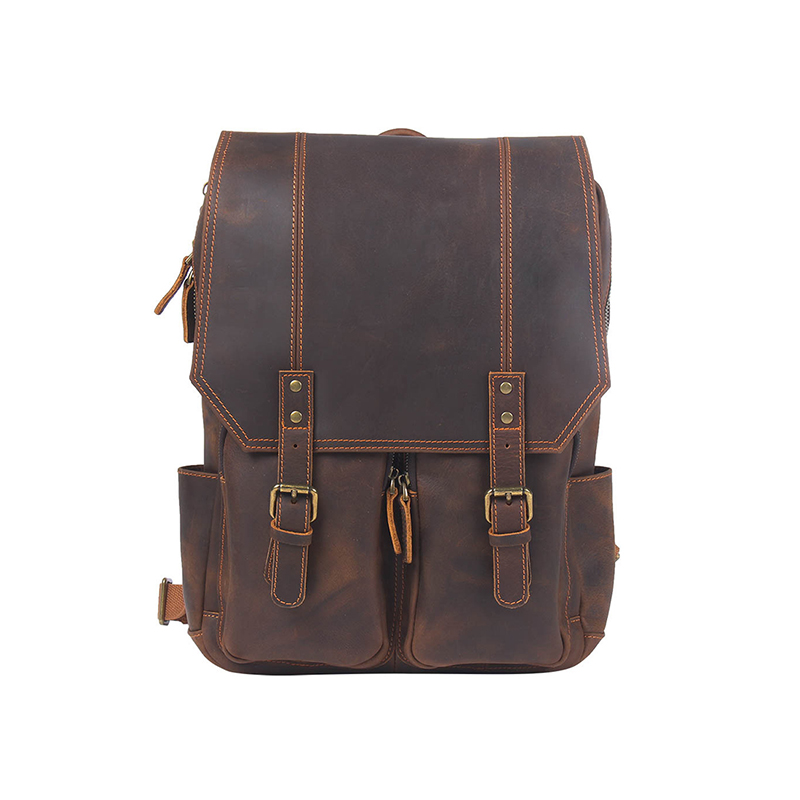
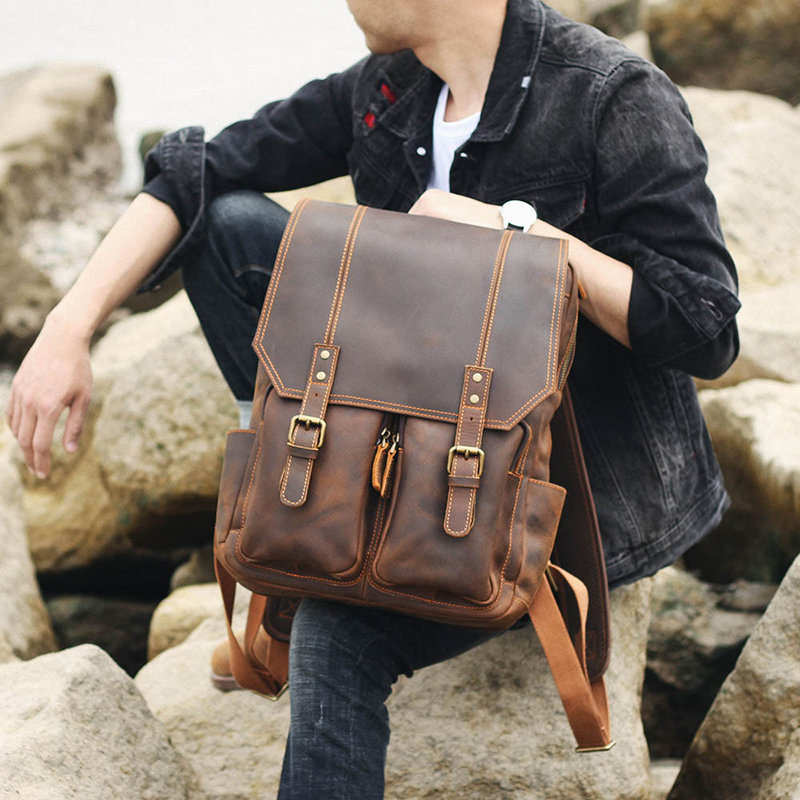
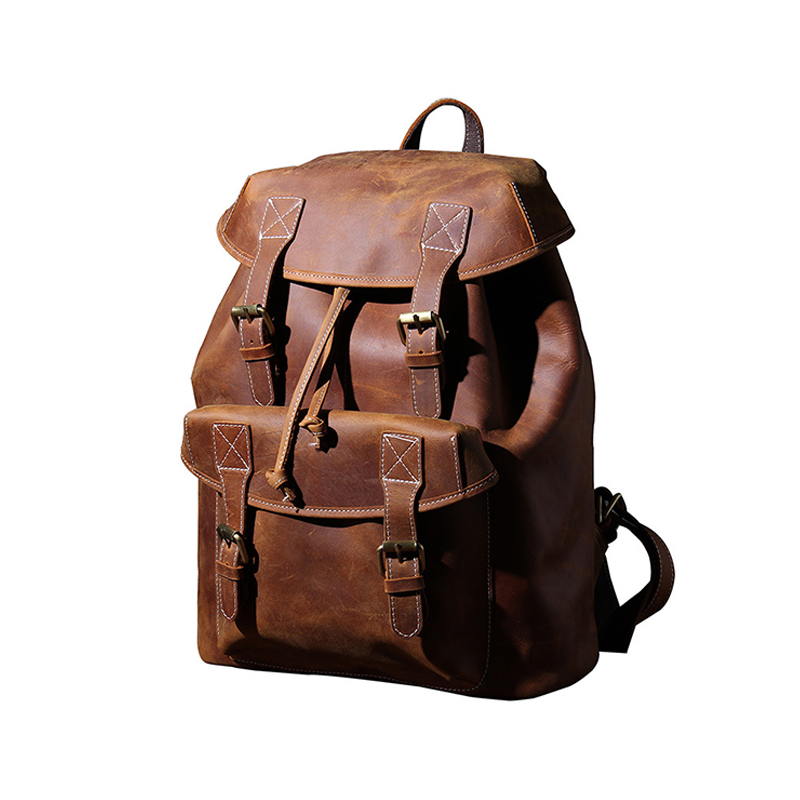
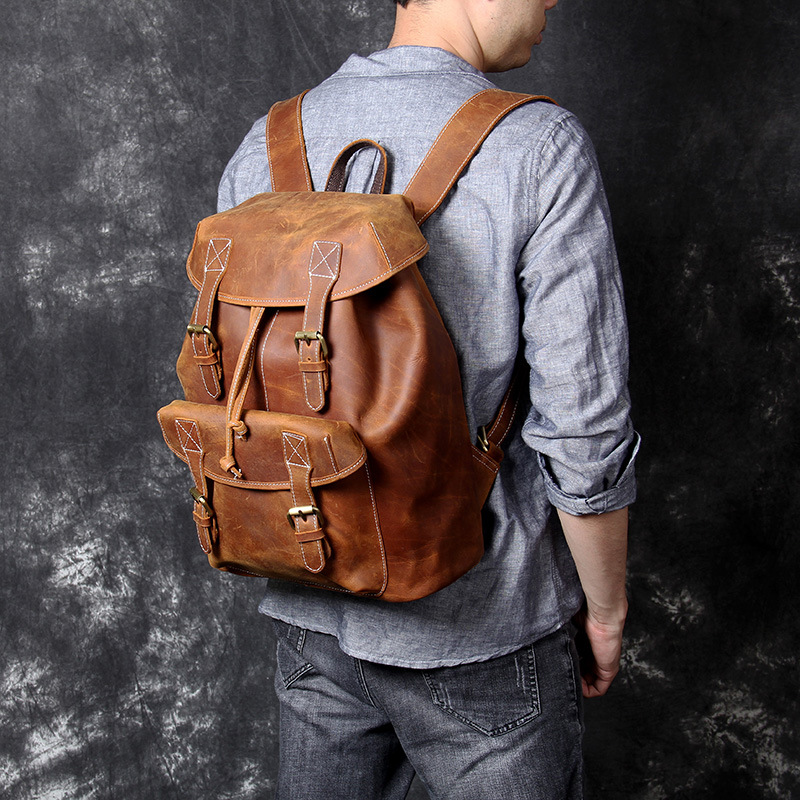
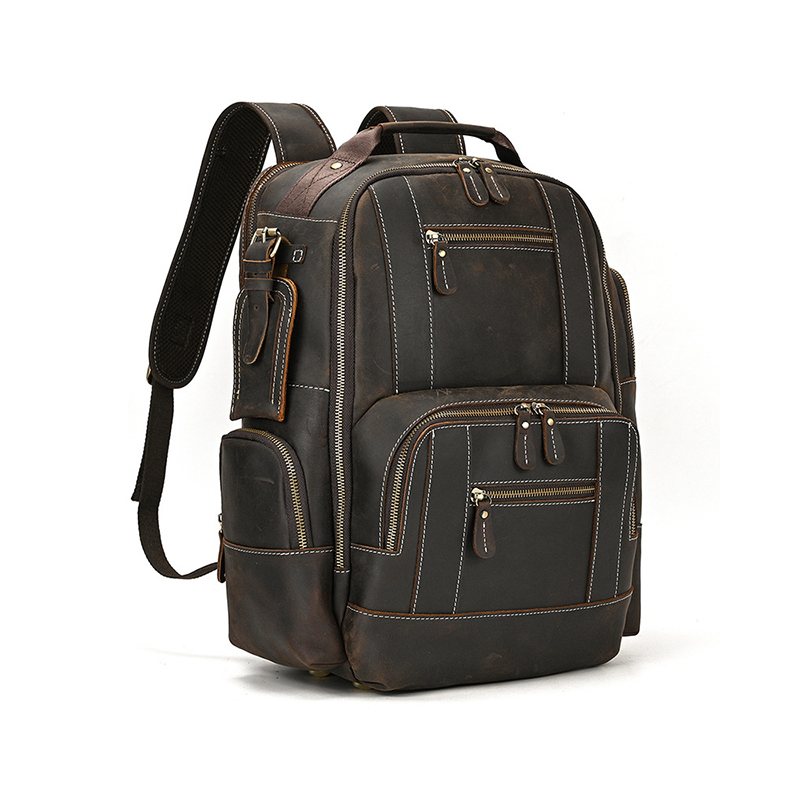
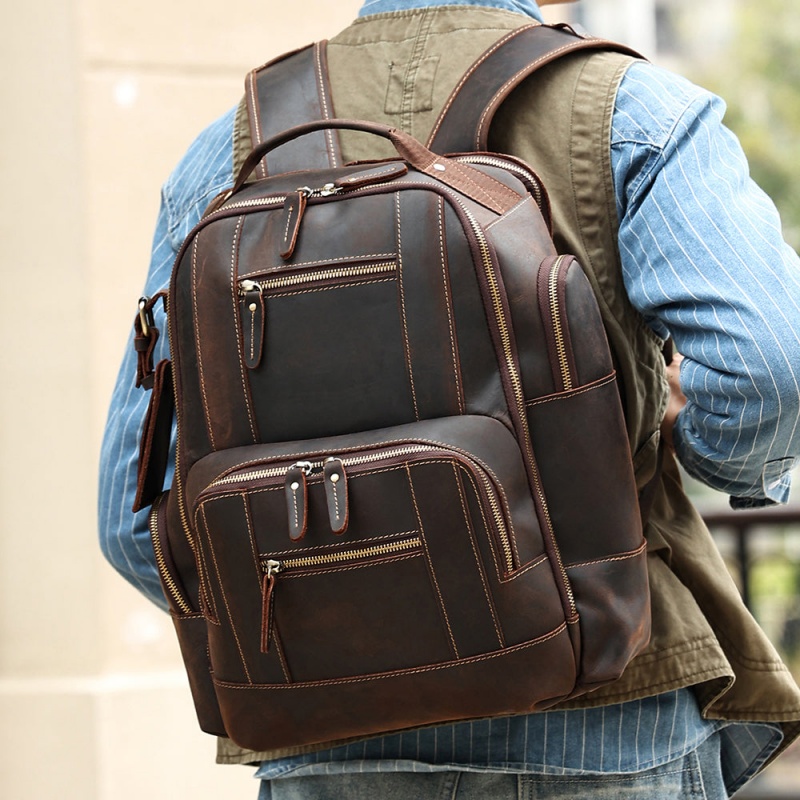
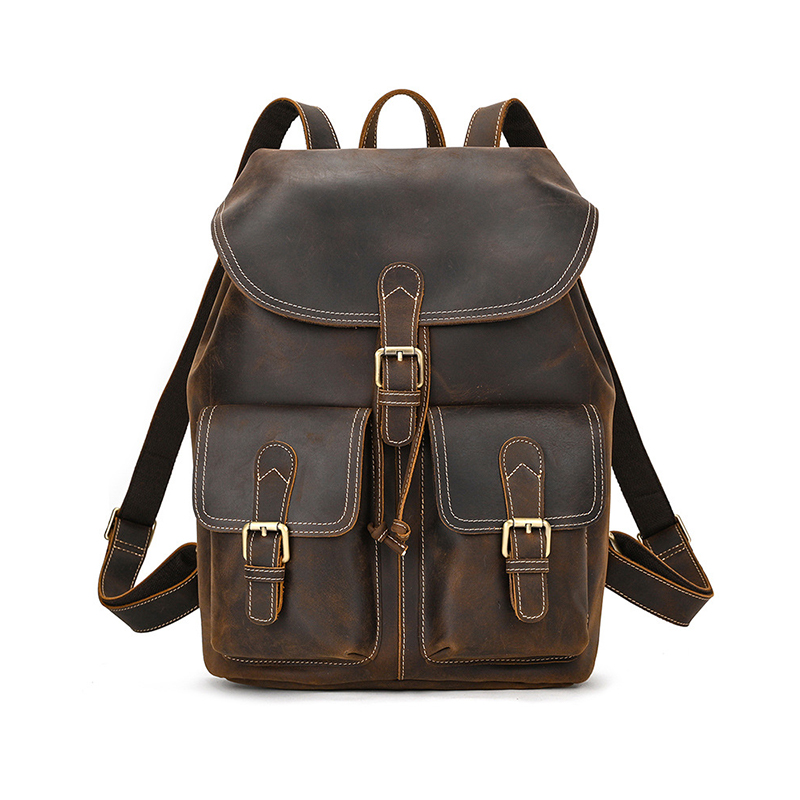
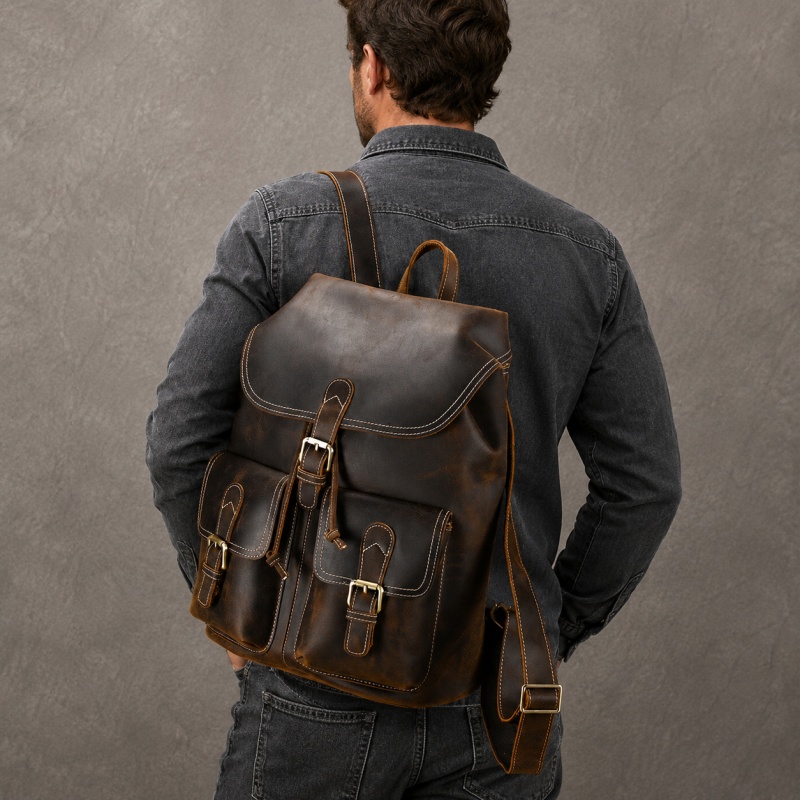
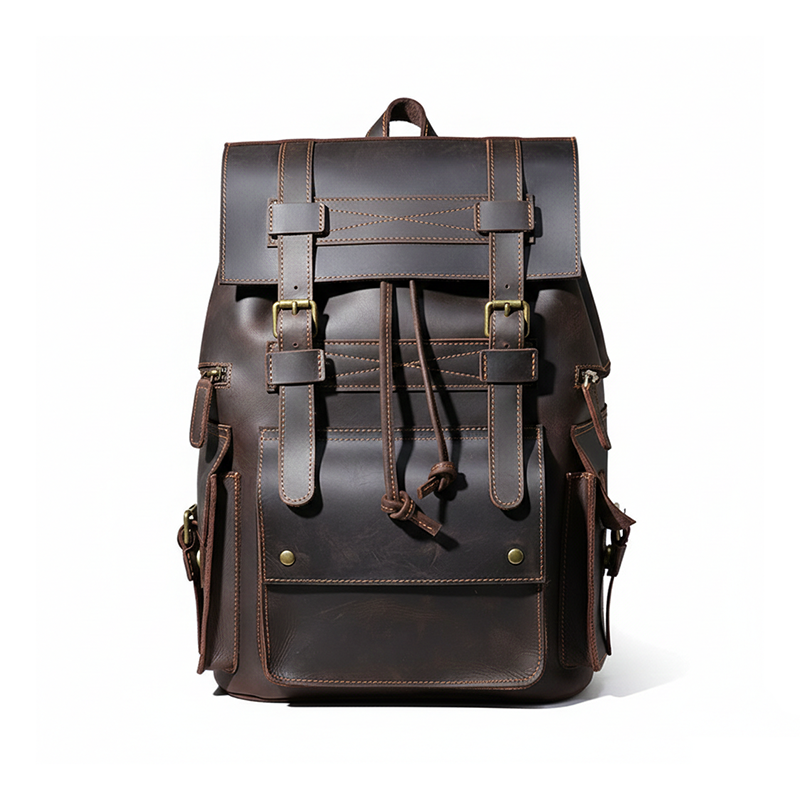
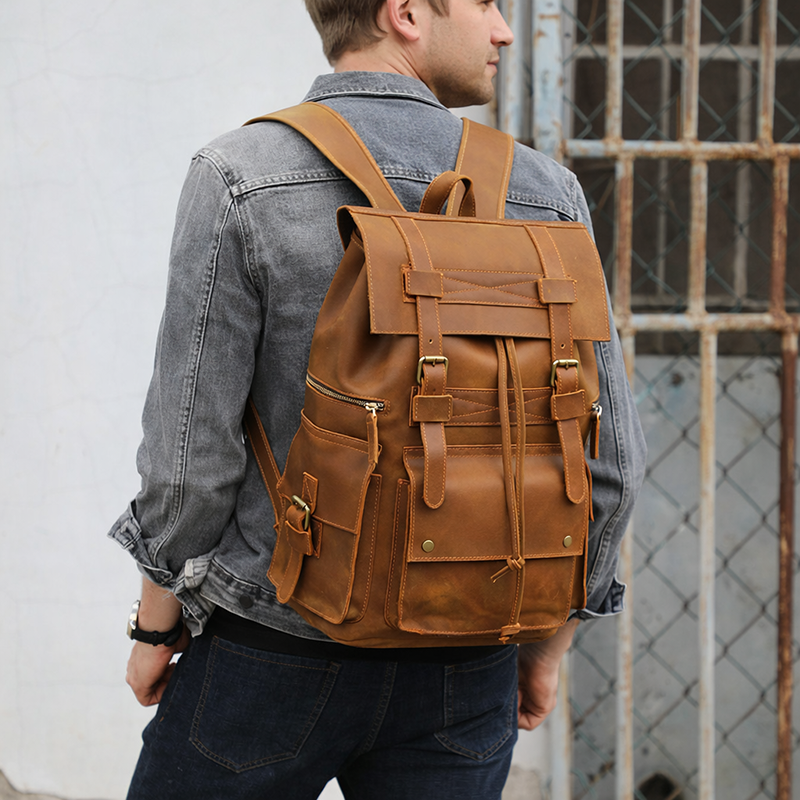
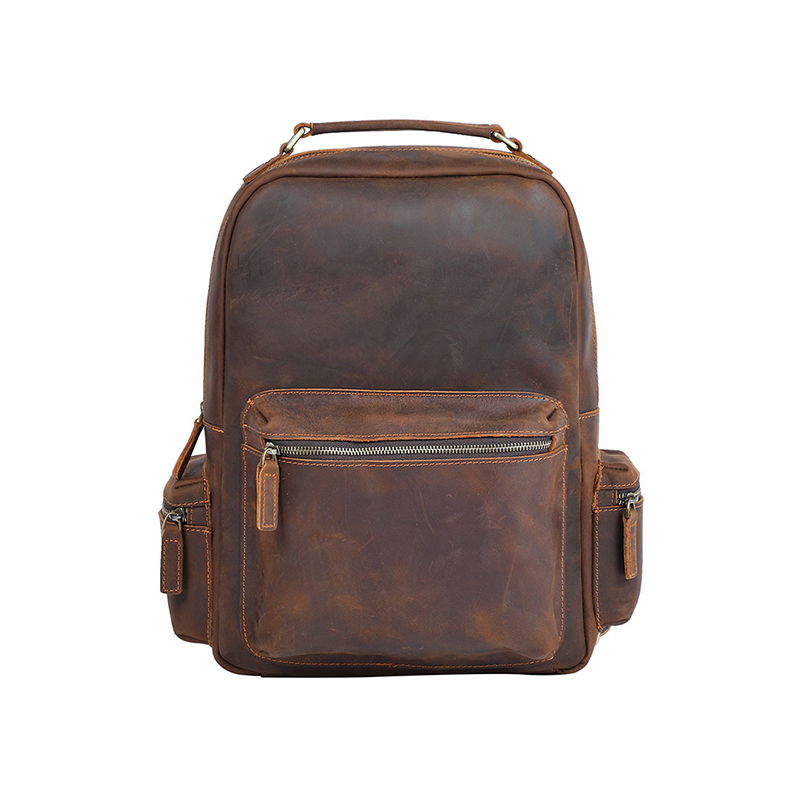
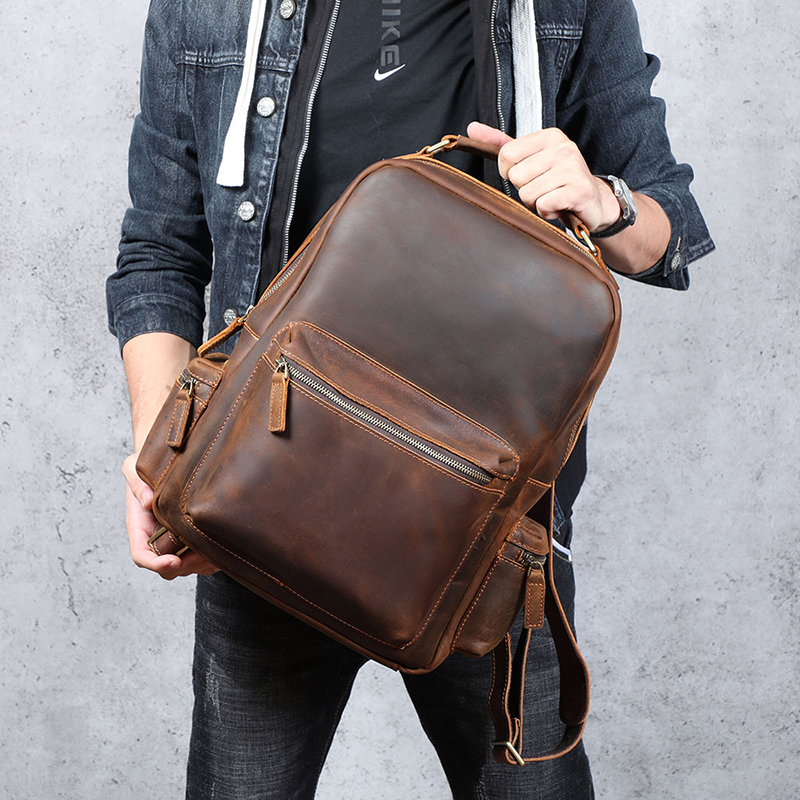
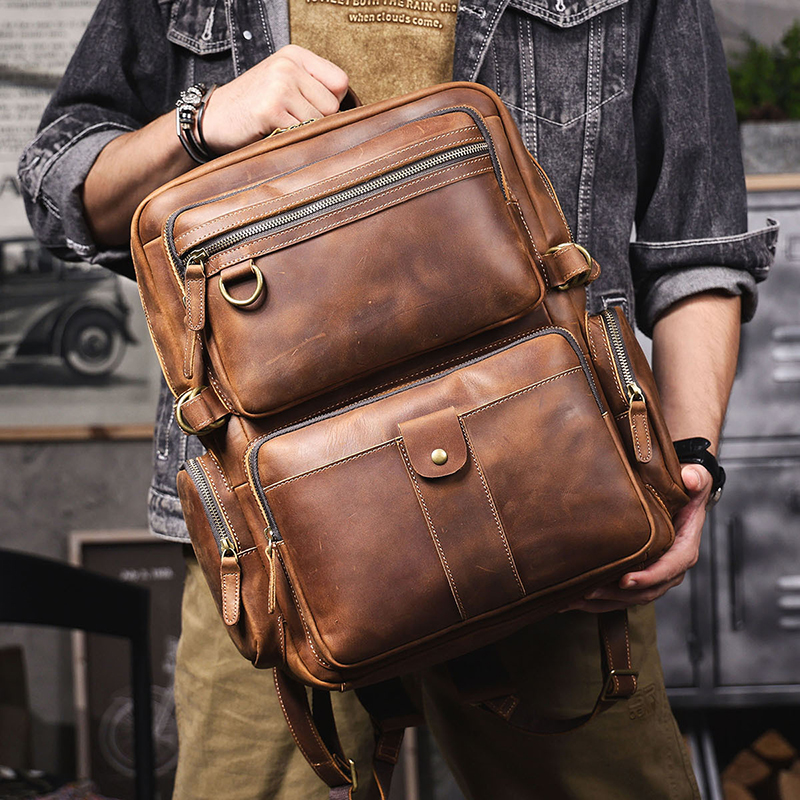
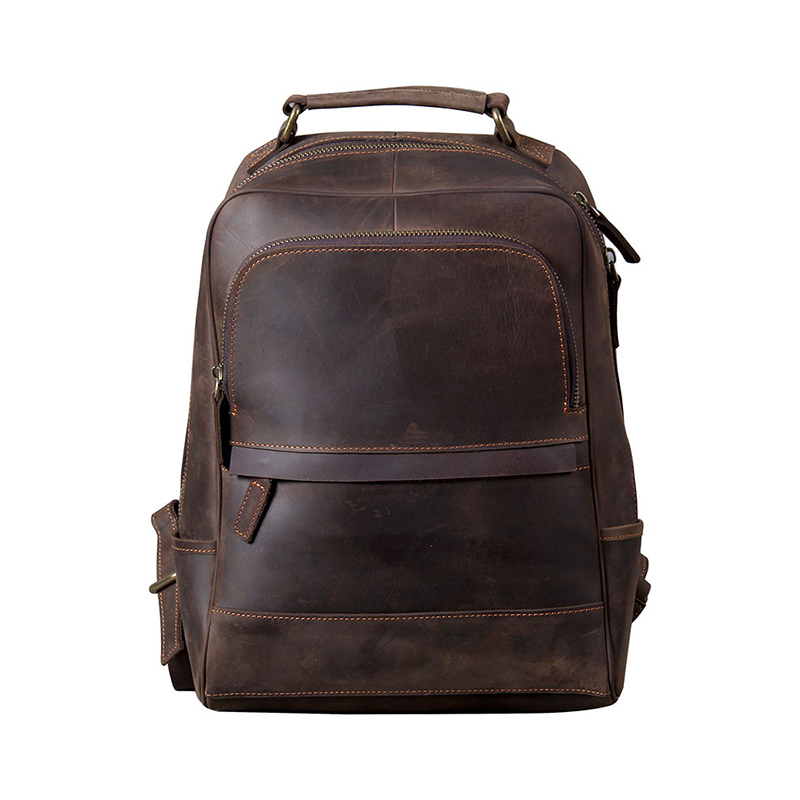
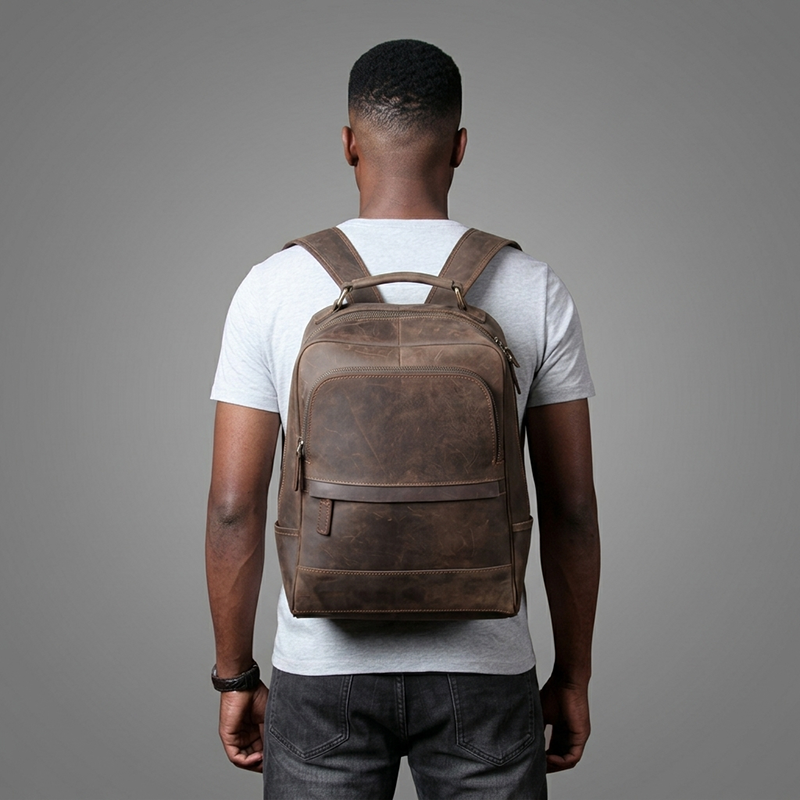
A leather backpack is the stronger choice for business travel and more polished settings where appearance carries weight. It looks deliberate and refined in a way canvas doesn't, and high-quality leather develops a distinctive patina over time that many people specifically seek out.
For weekend leisure travel, though, the trade-offs are more pronounced. Leather is heavier, needs more care around water, and the weight penalty on a longer walking day becomes apparent. It's not the wrong answer — just a more specific one.
Canvas And Leather Backpack
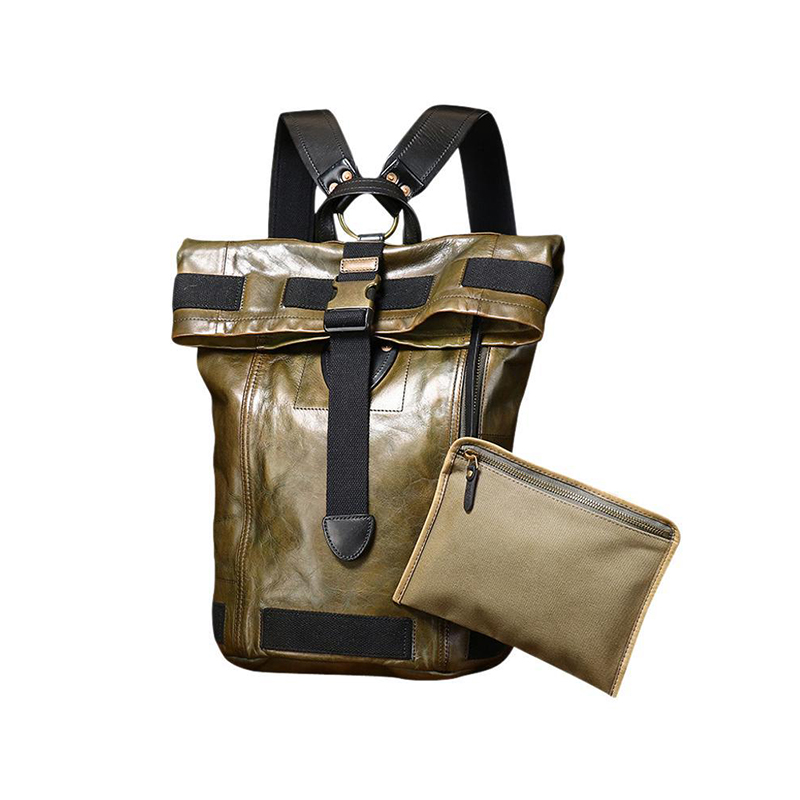
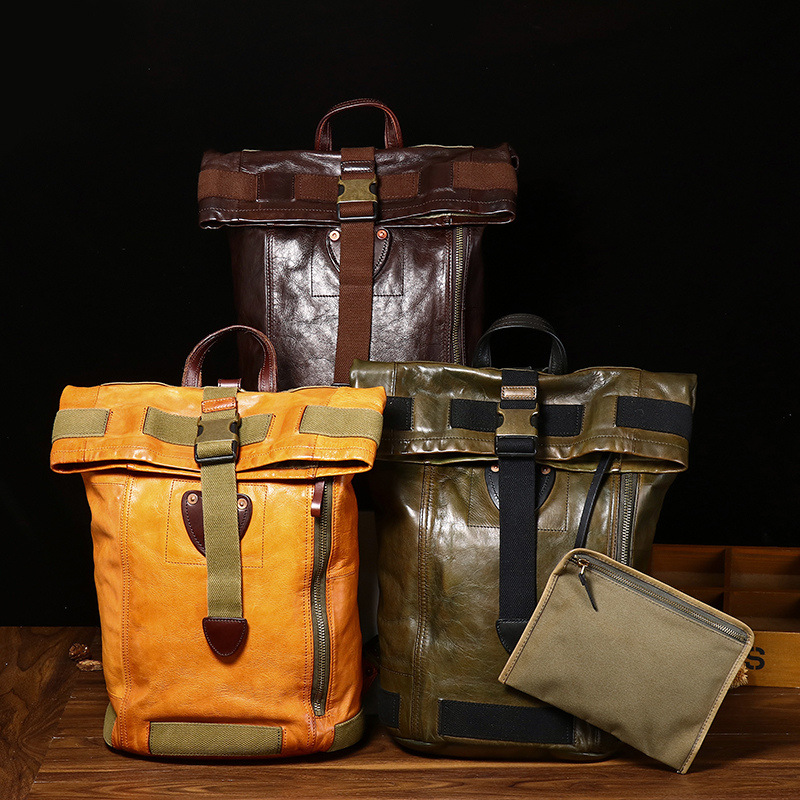
A bag that combines canvas and leather captures what makes each material useful while reducing each one's main drawback. The canvas body handles the weight and durability side; leather accents at the straps, base, and trim add structure and visual refinement. The result is a bag that works naturally across daily use and weekend travel — not trying to be a hiking pack or a briefcase, but genuinely versatile across the contexts most people move through.
For a detailed comparison of how these materials perform against each other in everyday carry, see waxed canvas backpack vs leather backpack.
Is Waxed Canvas Good For Weekend Travel?
Yes — waxed canvas is one of the more practical materials for weekend travel specifically, and the reasons go beyond just aesthetics.
The wax coating makes it meaningfully more water-resistant than plain canvas, which handles the rain that travel usually involves at some point. Light rain, splashes, and brief wet conditions don't require any special management — the water beads up and rolls off rather than soaking through.
It's also durable against the kind of casual rough handling travel involves. Being set down on station floors, stuffed under seats, pushed into tight overhead spaces — waxed canvas weathers this without drama. The marks it picks up over time become part of its character rather than signs of damage.
The caveat that's worth repeating: waxed canvas is water-resistant, not waterproof. For heavy or sustained rain, a rain cover adds meaningful extra protection. And the wax coating does wear down over time, particularly at high-friction areas, which means occasional re-waxing keeps the resistance up. For more on what canvas can and can't handle in wet conditions, are canvas backpacks waterproof covers this directly.
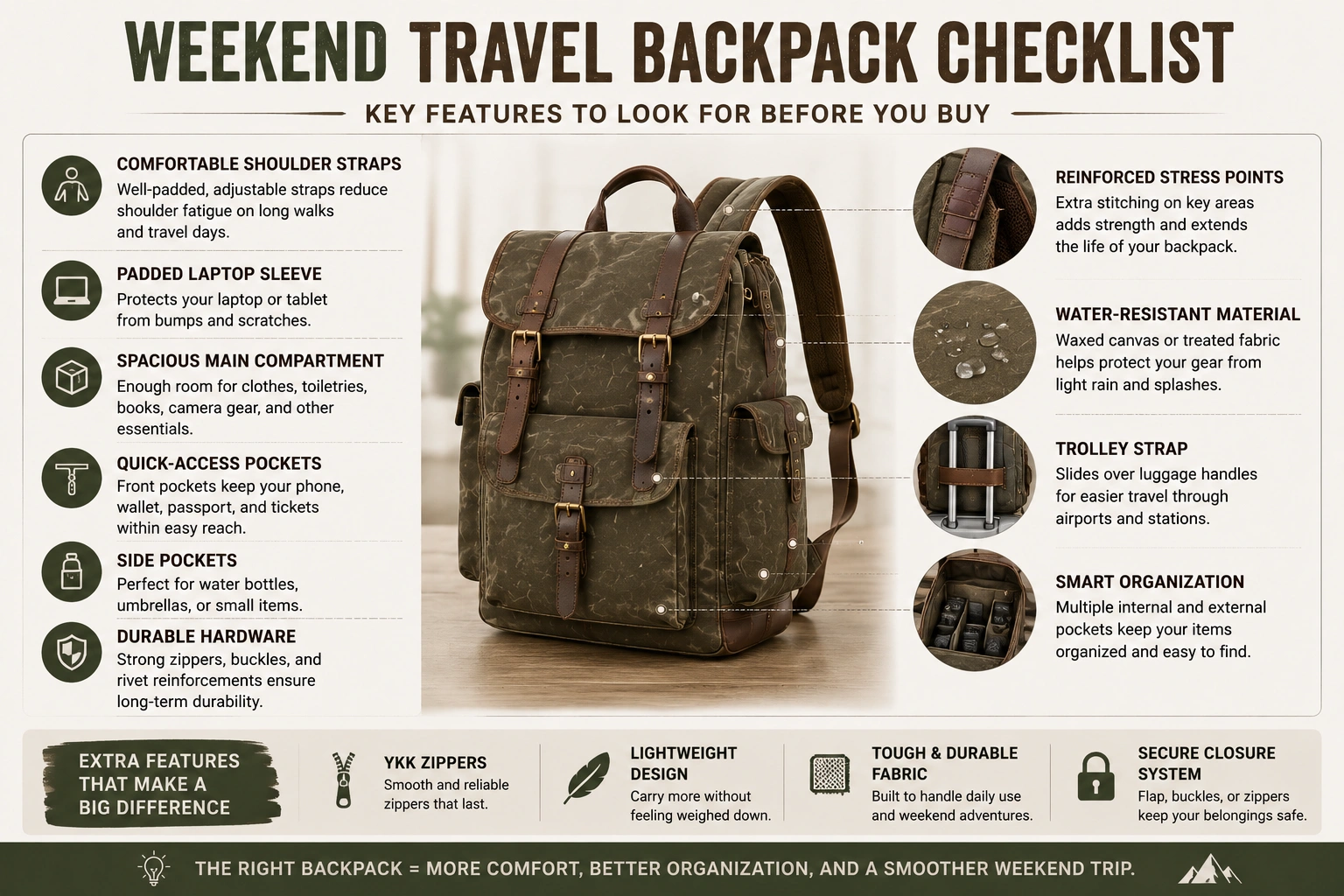
Backpack vs Duffle Bag: Which Is Better For A Weekend Trip?
This is the more fundamental question for some people, and it's worth being honest about rather than defaulting to whichever the article is optimized for.
Choose A Backpack If
- You're walking a lot — airports, train stations, city streets
- You're taking public transport and need your hands free
- You want to bring a laptop comfortably
- You're going straight from a Friday workday to a weekend trip and want one bag
- Shoulder comfort over time matters for how you'll actually travel
Choose A Duffle Bag If
- You're driving to your destination and the bag spends most of its time in a trunk
- You're bringing more clothes and want to be able to see everything at once
- You don't want clothes pressed against a structured back panel for a day
- You need to fit bulkier items — boots, a thicker jacket, gear
- A hotel-to-restaurant-to-hotel trip where the bag barely moves
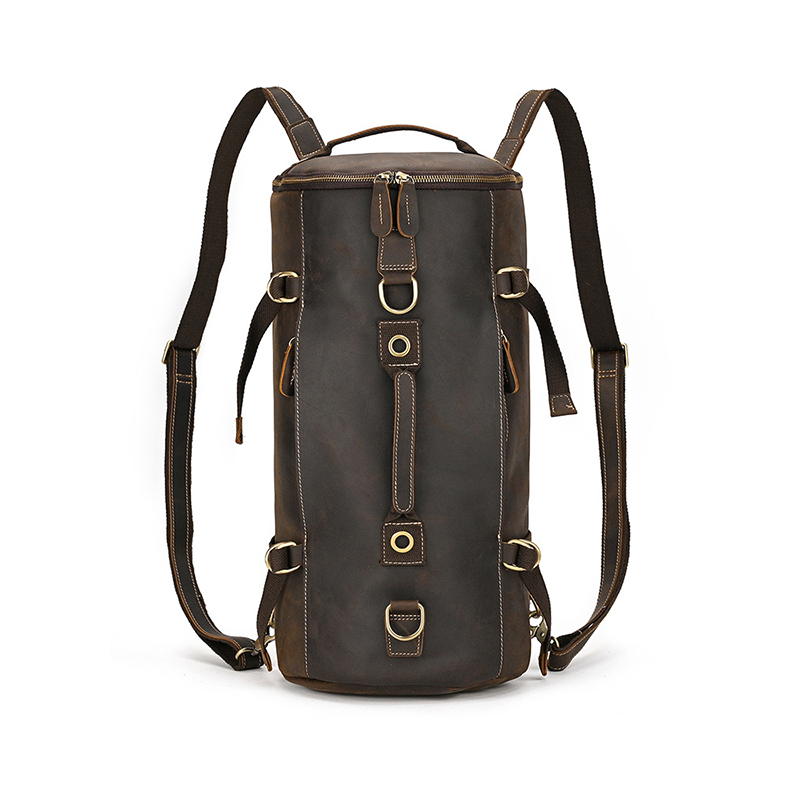
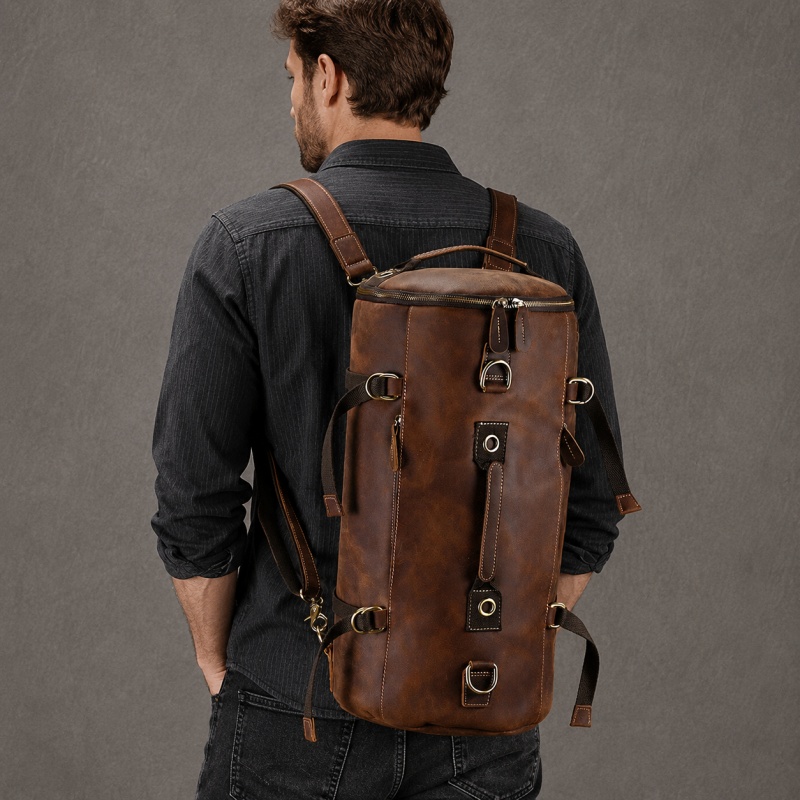
Choose A Convertible Duffle Backpack If
- You want the option to carry it either way depending on the day
- You travel frequently enough that flexibility across trip types matters
- You don't want to own both a travel backpack and a duffle bag
Features To Look For In A Weekend Travel Backpack
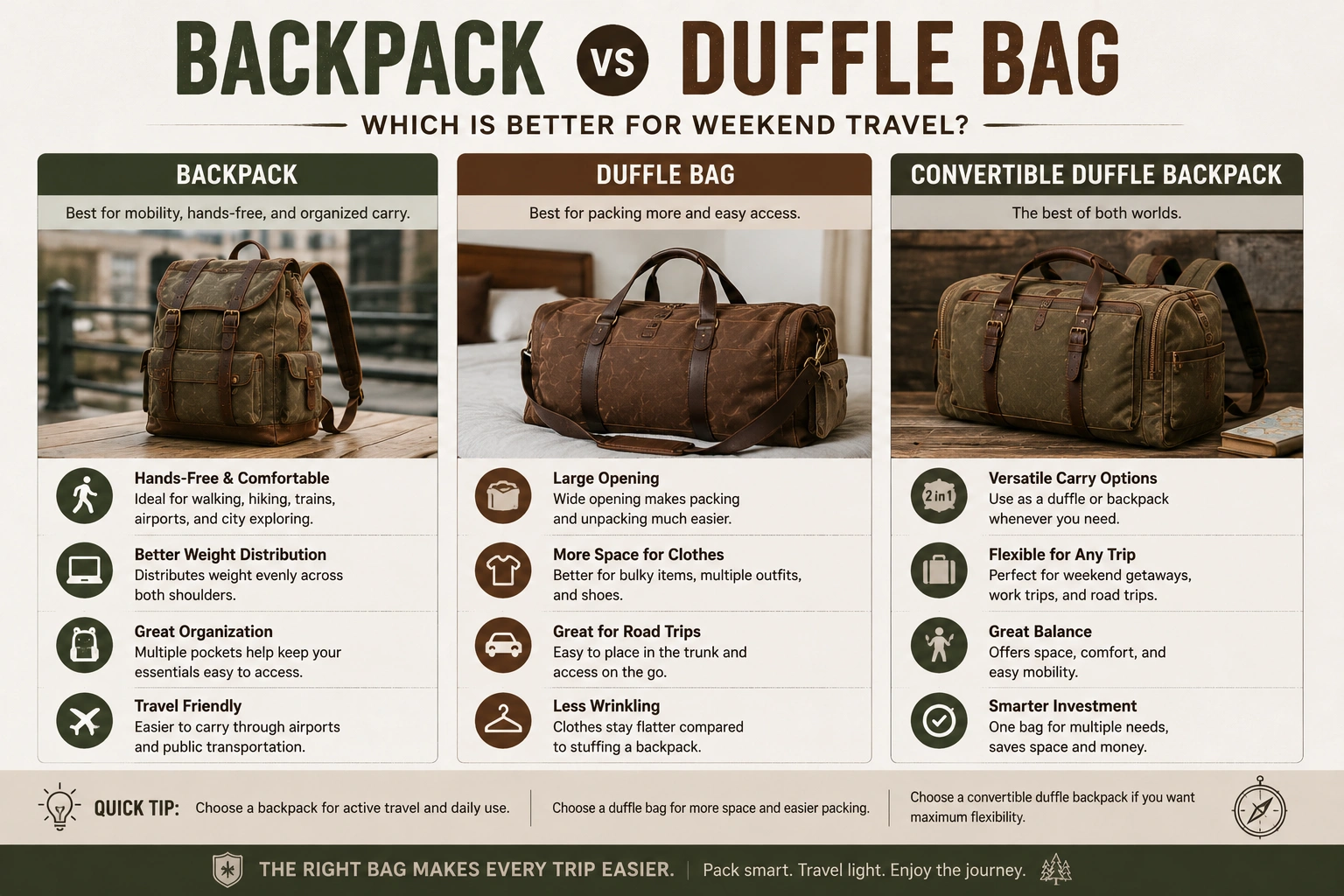
Comfortable Shoulder Straps
The straps on a travel bag matter more than on a daily commuter, because travel involves longer, more varied carrying than the walk from the car to the office. Width and padding are the key variables — thin straps concentrate weight in a way that becomes uncomfortable fast.
Padded Laptop Sleeve
If you're the kind of person who takes a laptop on weekend trips — and most people are — a dedicated padded sleeve protects it without requiring a separate laptop bag inside your bag.
Quick-Access Pockets
Travel means reaching for the same handful of items repeatedly — phone, passport, wallet, ticket, headphones. A pocket you can get into without opening the main compartment saves real time and irritation at check-in, boarding, and throughout the day.
Front Pockets And Side Pockets
Front pockets for small items that need to stay organized; side pockets for a water bottle or umbrella. The side pockets specifically are something that becomes obvious in their absence — carrying a water bottle that has to go in the main compartment is annoying.
Spacious Main Compartment
The main compartment needs to be actually spacious rather than technically large — meaning it should open wide enough to pack and unpack without frustration, not just have a high volume number.
Durable Hardware
Buckles, zippers, and D-rings take more stress on trips than in daily use. Hardware that feels solid when new and holds up over years matters on a bag you're planning to travel with repeatedly.
Water-Resistant Material
Not necessarily waterproof — but the bag should handle light rain and incidental moisture without needing to be treated like it's made of paper.
Trolley Strap
If you fly regularly, a trolley strap — the sleeve on the back panel that slides over a rolling suitcase handle — is a convenience that's easy to overlook until you've gone a few trips without it.
Reinforced Stress Points
The strap attachment points, base corners, and buckle joins take the most concentrated stress over the life of a bag. Reinforcement at these points is what separates a bag that lasts from one that develops structural problems after a couple of years of real use.
How To Pack A Backpack For A Weekend Trip
Start With The Essentials
Before anything else goes in: one to two sets of clothes, underwear and socks, toiletry kit, phone charger, ID and any travel documents, wallet, water bottle. Everything after this is optional.
Pack Clothes In Layers Or Rolled
Rolling clothes rather than folding them is a genuine space saver, and it reduces creasing. Lighter layers at the bottom, frequently needed items near the top.
Keep Toiletries In A Separate Pouch
A toiletry bag that can be pulled out as a unit — rather than individual items loose in the main compartment — makes airport security and hotel bathroom routines considerably easier.
Keep Electronics Protected
A laptop in a padded sleeve, chargers in a separate pouch, cables that aren't loose and tangled at the bottom of the bag. Small organizational choices like this make a meaningful difference when you're getting in and out of a bag multiple times a day.
If It Doesn't Fit Comfortably, You've Packed Too Much
A bag that's been forced shut is telling you something. Either the packing list needs to be cut, or the bag size isn't the right match for the trip.
Best Backpack Materials For Weekend Travel
Waxed Canvas
The strongest all-around choice for most weekend travel — light, durable, water-resistant, and with a vintage rugged character that improves with use. Handles most travel conditions without fuss.
Canvas And Leather
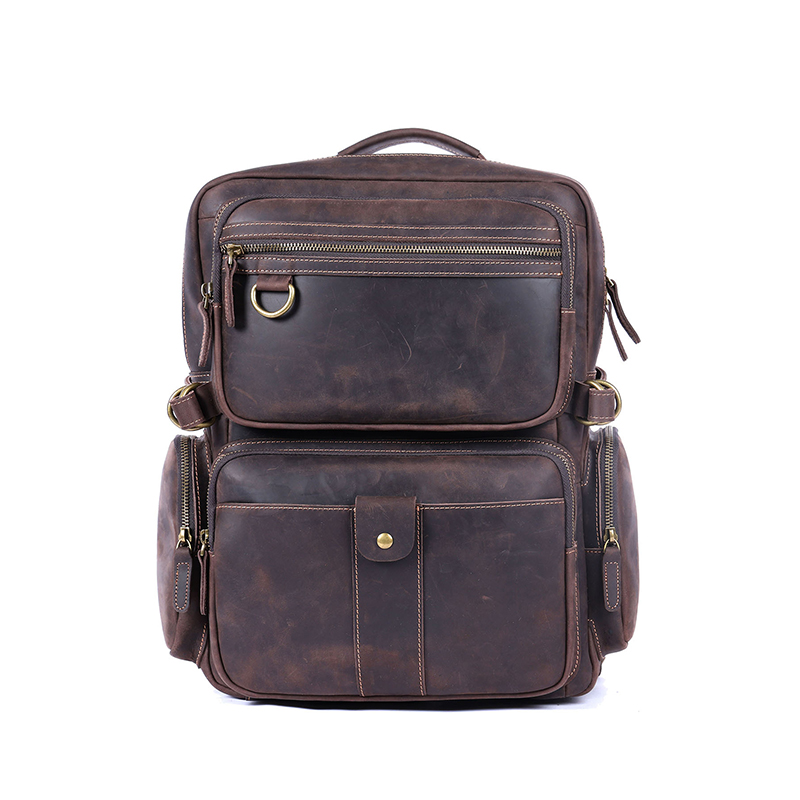
The best choice for someone who wants a bag that works equally well on a Friday commute and a Sunday trip. The combination carries all the practicality of canvas with more visual refinement from the leather details.
Full Leather
Right for business travel and polished city trips where appearance matters most. The weight and care requirements make it a more specific choice than canvas for general weekend use.
Nylon Or Polyester
Lightest and often most water-resistant, and the right call for outdoor-oriented or highly functional travel where weight and weather protection are the priorities over style. Doesn't develop character with age the way natural materials do.
For keeping a canvas bag in good shape over years of travel, how to clean a canvas backpack covers the care side.
When A Backpack Is Not Enough
Some trips are simply better served by a different kind of bag, and it's worth recognizing that rather than forcing a backpack to do a job it's not optimized for.
When the trip is longer than three days, when winter layers take up most of the available volume before clothes even go in, when you need multiple pairs of shoes, when you're bringing items back with you that weren't there when you left — these are situations where a weekender bag or duffle genuinely works better. A wider opening makes packing and unpacking easier, more volume handles the extra load, and the bag doesn't need to be comfortable on the back because it's mostly in a car boot or hotel closet.
Best Weekend Backpack For Men: What Matters Most
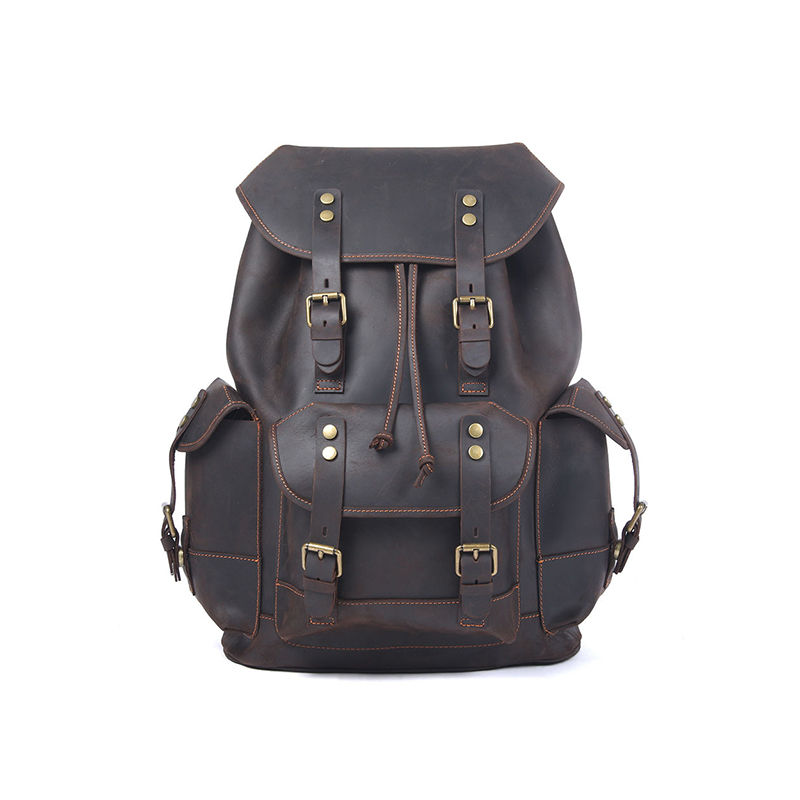
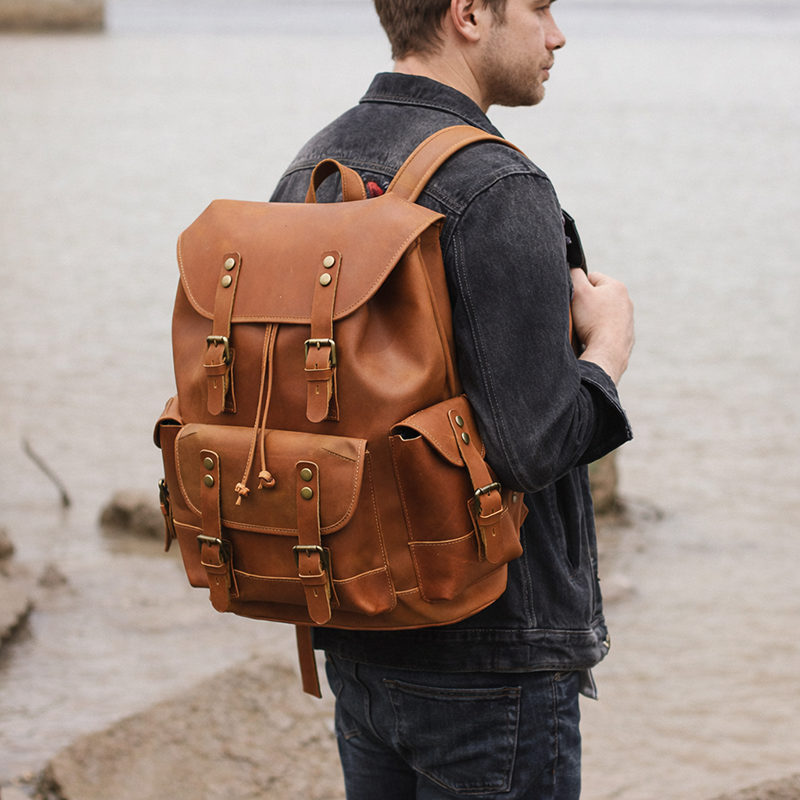
Most men don't need a bag that looks like it was designed for an expedition. The backpacks that work best for everyday men's weekend travel tend to be grounded in the same materials and proportions as workwear and casual clothing — canvas, leather, muted colors, clean hardware.
Colors that travel well without looking immediately like "travel gear": coffee brown, dark khaki, black, dark green, natural canvas tones. These work with jeans, chinos, boots, and a jacket without clashing or drawing attention.
The style question matters more for a weekend travel bag than for most purchases because this bag is going to be in every photo from the trip, sitting at the foot of a restaurant table, coming with you to meetings that bleed into travel. A bag that looks deliberate in those contexts is a bag you'll actually use for years rather than swap out when something better-looking crosses your path.
A well-chosen weekend backpack should work from Friday morning at the office to Sunday afternoon on the way home — without you thinking about the bag itself at any point in between.
Final Verdict: What Is The Best Backpack For Weekend Travel?
For most weekend trips, the right backpack is in the 20L–30L range, with padded and properly wide shoulder straps, a laptop sleeve if you need one, enough pockets to stay organized, and material durable enough for the conditions travel actually involves.
If you want something lighter, lower-maintenance, and built for rugged daily use: waxed canvas. If you want something more formal and polished: leather. If you want a bag that works across both daily carry and weekend travel without being optimized too heavily for either: canvas and leather is where that balance lives.
The bag you bring on every trip should be one that gets better with use — one that develops a little character with each trip and still looks right whether it's in an overhead bin or on the floor of a good restaurant. Our canvas and leather backpacks are built around exactly that kind of long-term versatility.
Frequently Asked Questions
What size backpack is best for a weekend trip?
For most one-to-two night weekend trips, 20L–30L is the practical range. It carries everything needed without becoming uncomfortable to travel with. A 15L–20L bag works for light overnight trips with minimal packing; 30L+ is better for three-day trips, winter travel, or situations where you need to bring bulkier items.
Is a backpack enough for a 2-day trip?
Yes, for most people traveling light. A 20L–30L backpack handles two days of clothing, toiletries, a laptop, and travel essentials comfortably. If you need multiple pairs of shoes, heavy outerwear, or extra equipment, a duffle bag may serve the trip better.
Is canvas good for travel backpacks?
Yes — waxed canvas in particular is well-suited to travel. It's lighter than leather, handles everyday friction and minor weather well, and develops a natural character with use. The main thing to know is that it's water-resistant rather than waterproof, so heavy rain calls for a rain cover.
Is a leather backpack good for weekend travel?
It works well for business travel and city trips where appearance matters most. For general weekend leisure travel, the weight and care requirements make it a more specific choice than canvas — though quality leather does age exceptionally well over years of use.
Backpack or duffle bag for weekend travel?
A backpack is the better choice when you'll be walking a lot, using public transport, or carrying a laptop. A duffle bag works better when you're driving, bringing more clothing, or want easier access to a wider compartment. The right answer depends more on how you're traveling than on which product type is "better."
Can a weekend backpack fit a laptop?
Yes, if it has a dedicated padded laptop sleeve. Most 20L–30L travel backpacks designed for daily use include one. It's worth confirming the sleeve size against your laptop dimensions — a 13-inch sleeve and a 15-inch laptop don't mix well.
What should I pack for a weekend trip?
The reliable core list: one to two changes of clothes, underwear and socks for each day, toiletry kit in its own pouch, phone charger, travel documents and ID, wallet, and a water bottle. A light jacket covers most weather contingencies. Electronics and any specific trip requirements build on top of that.