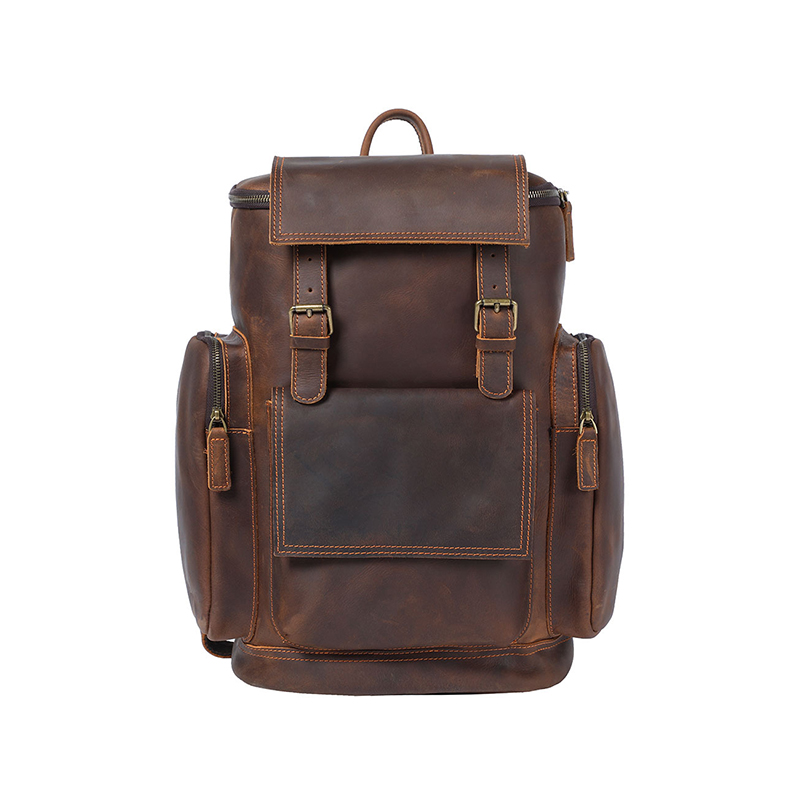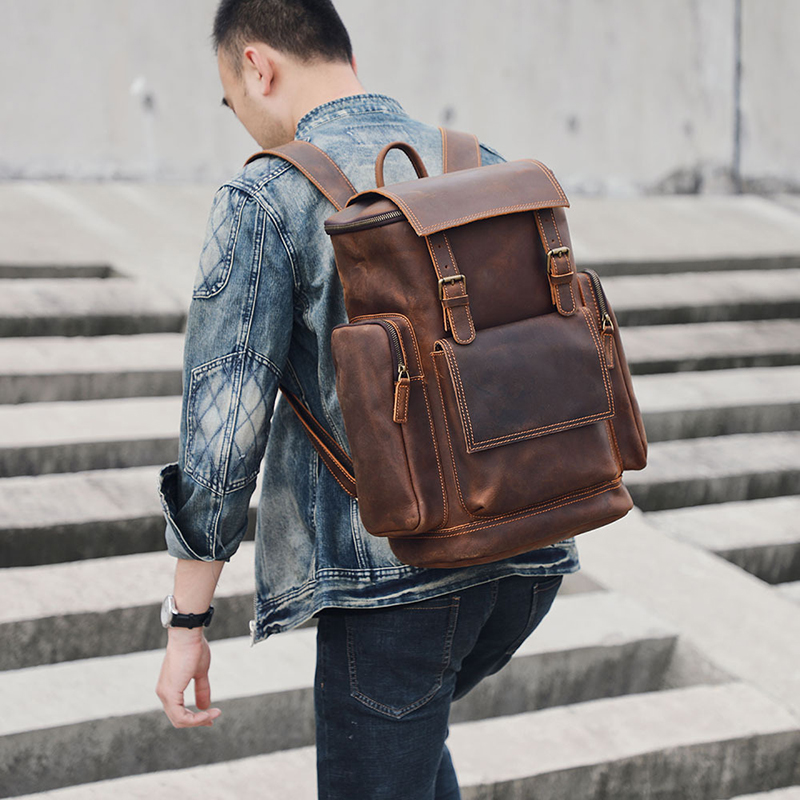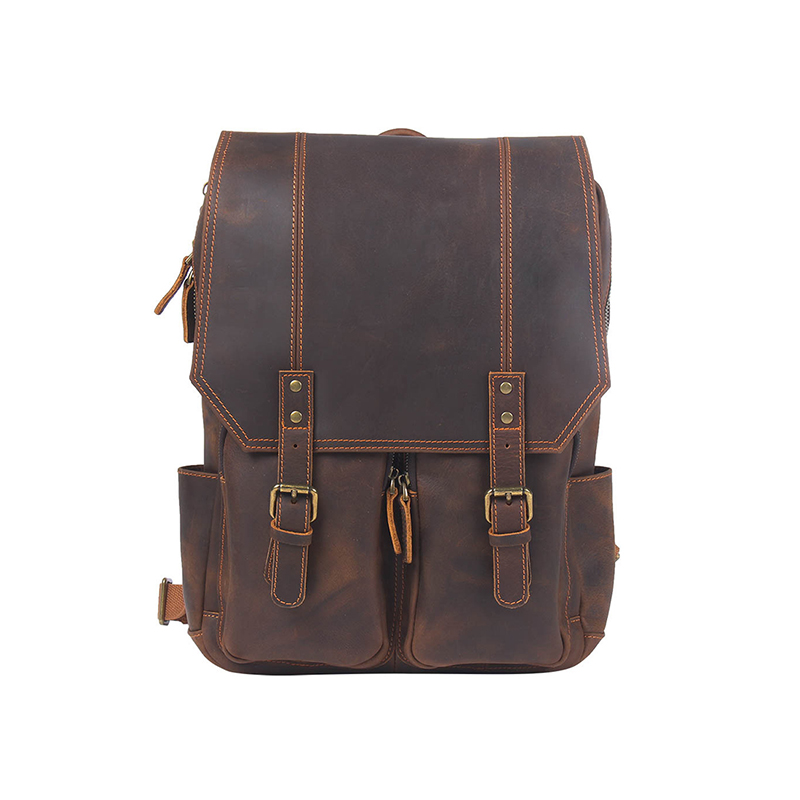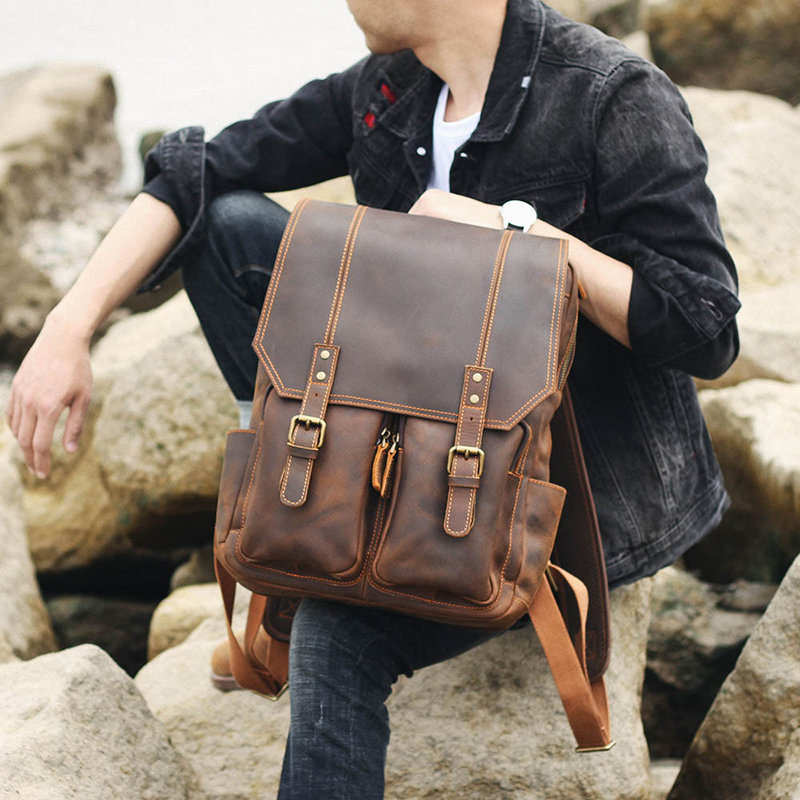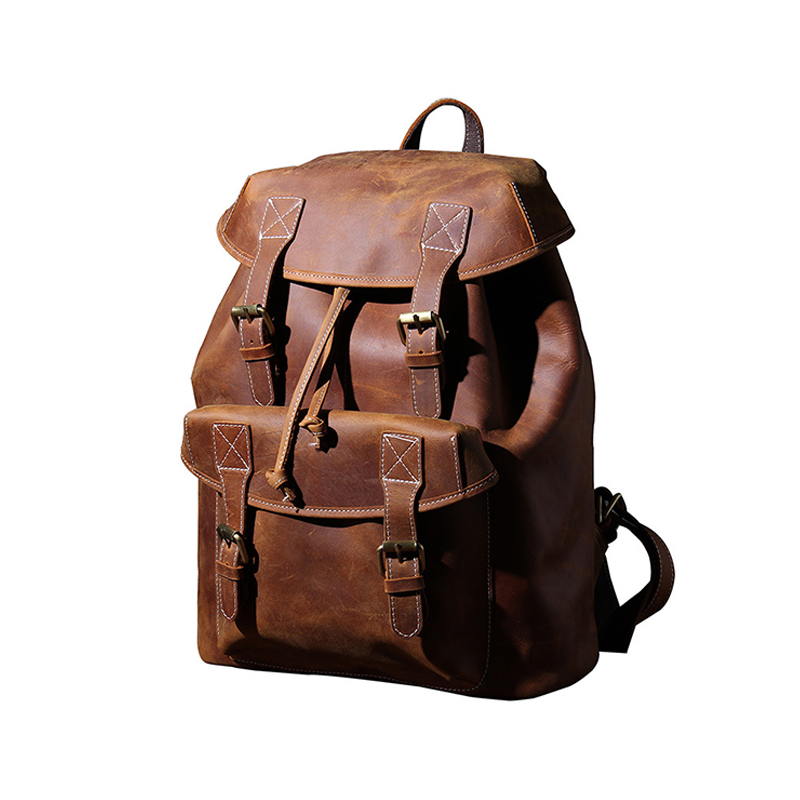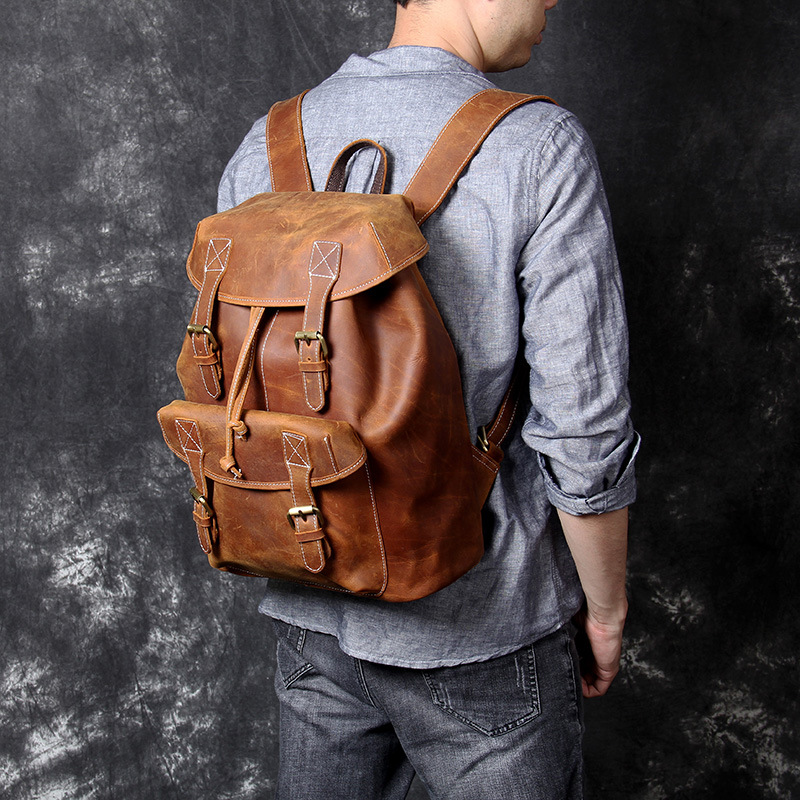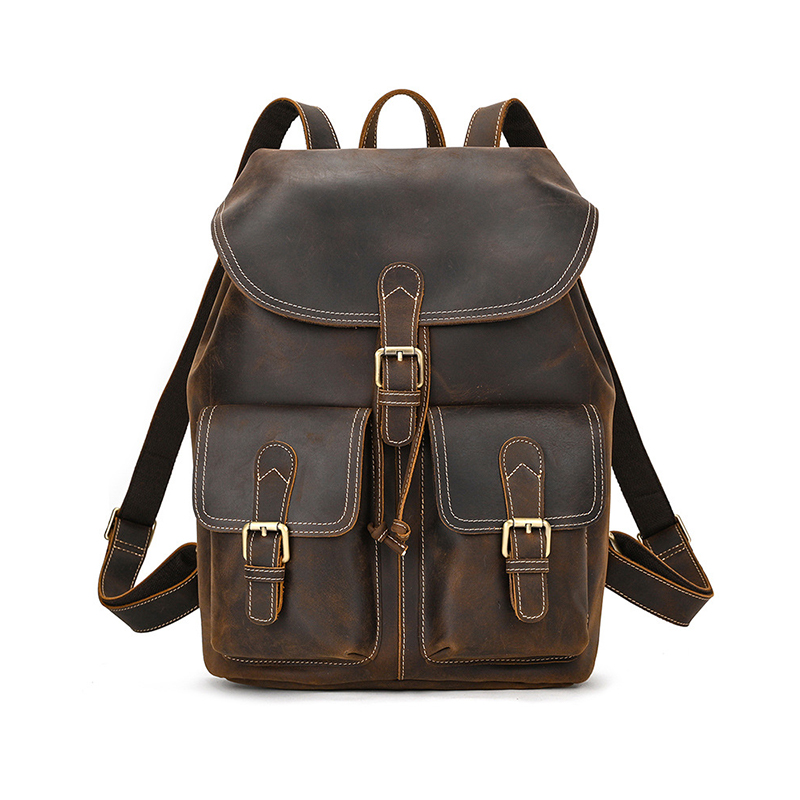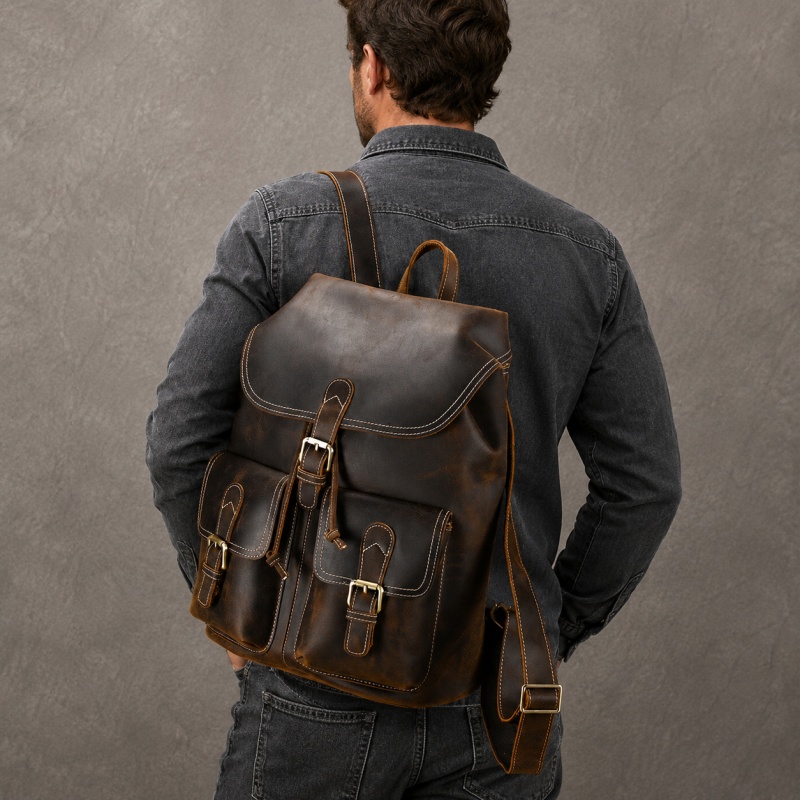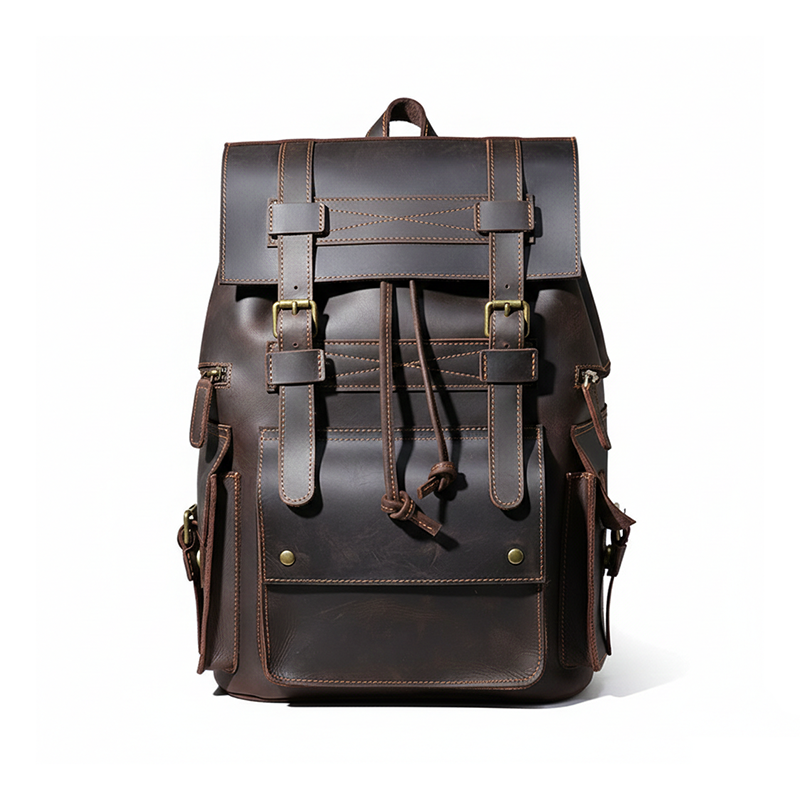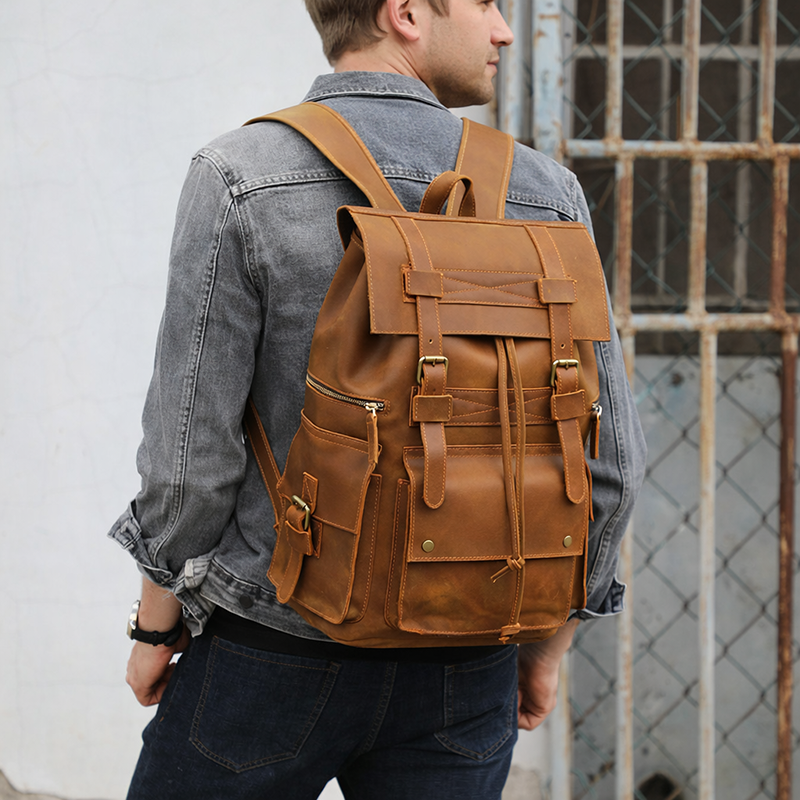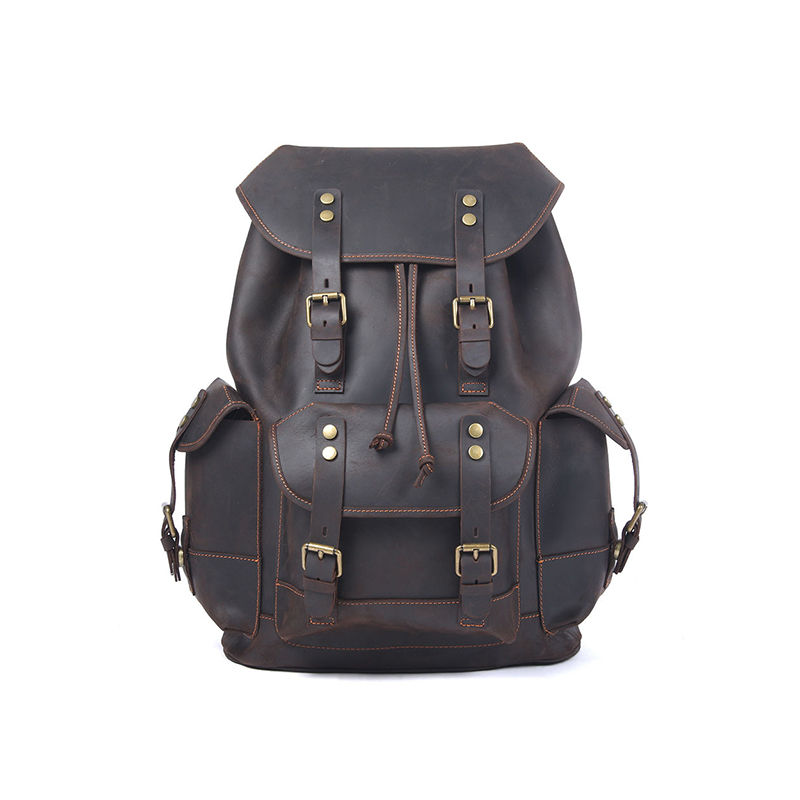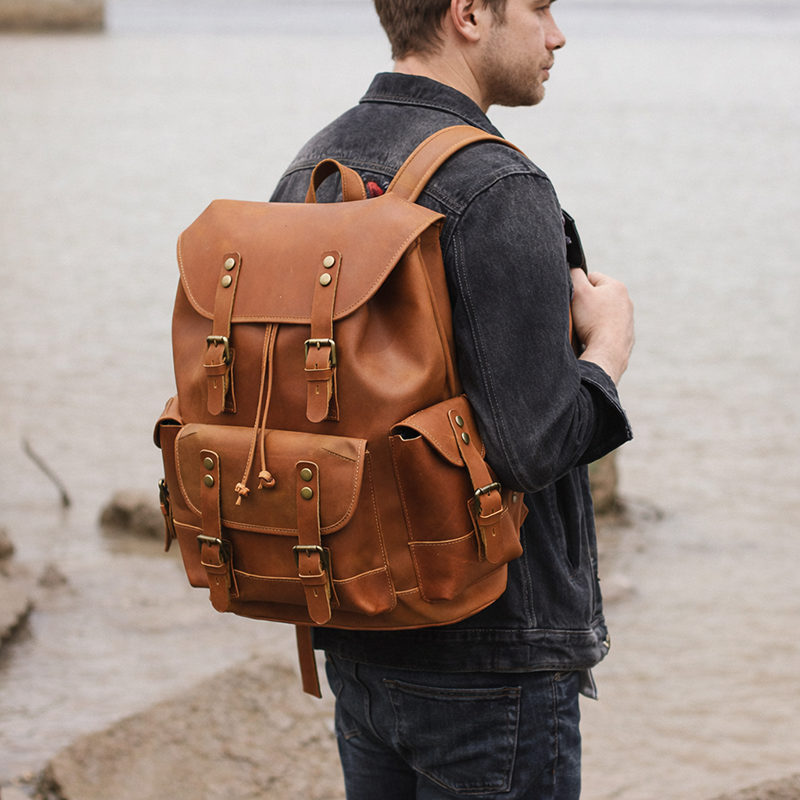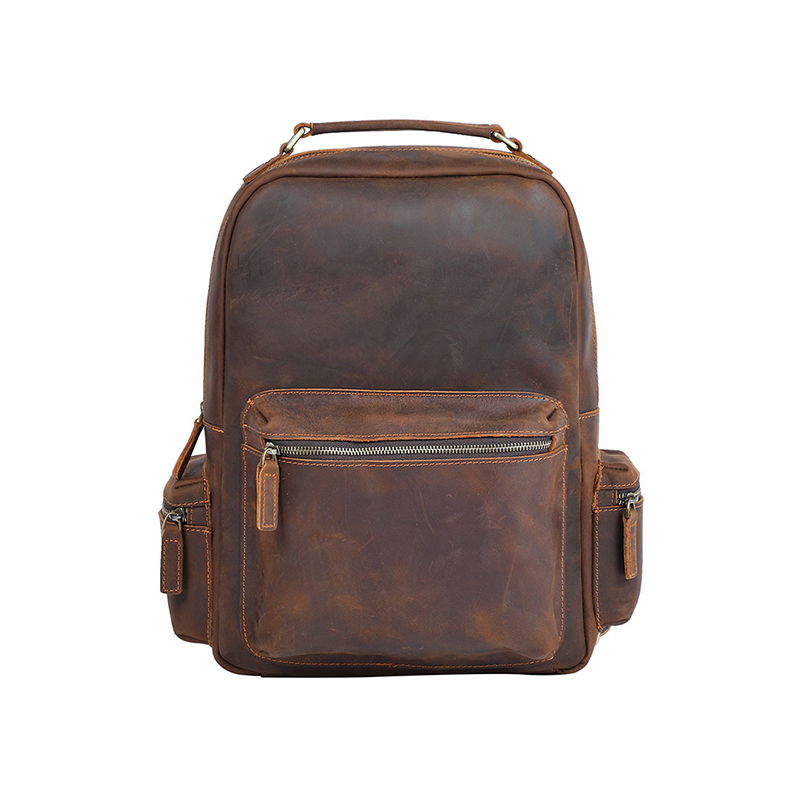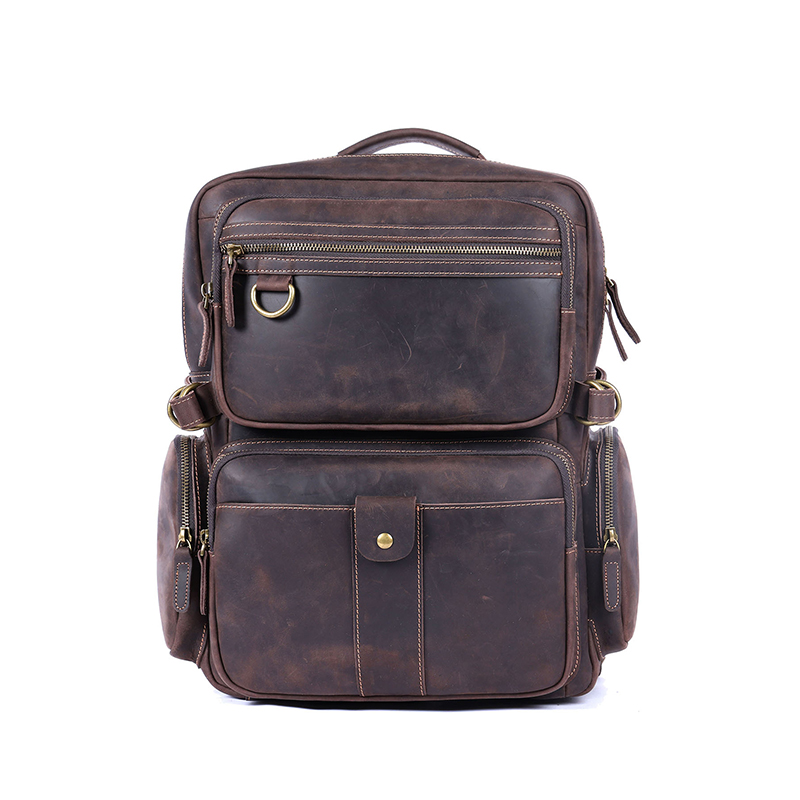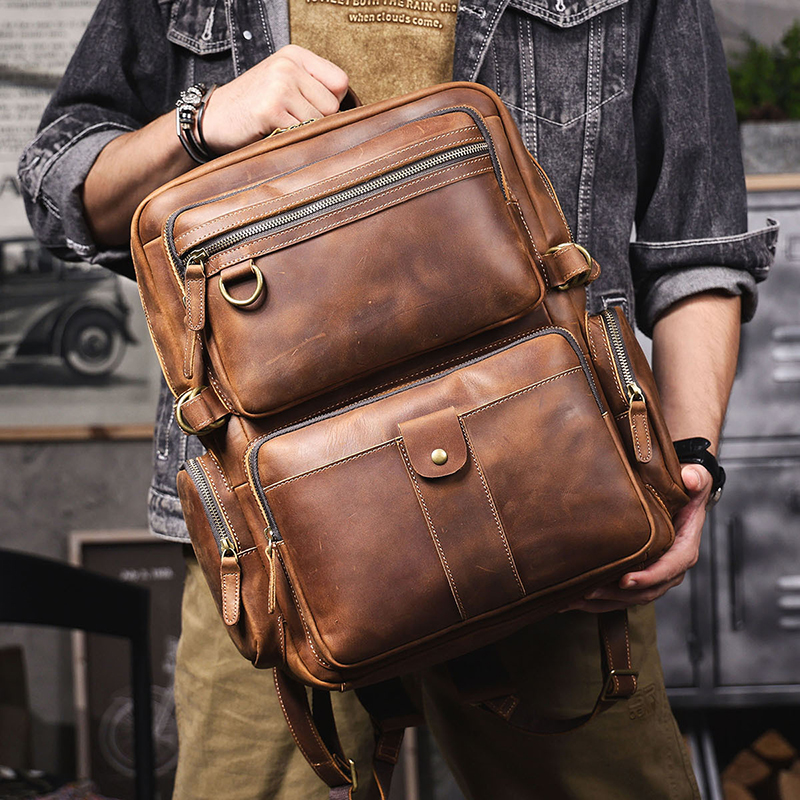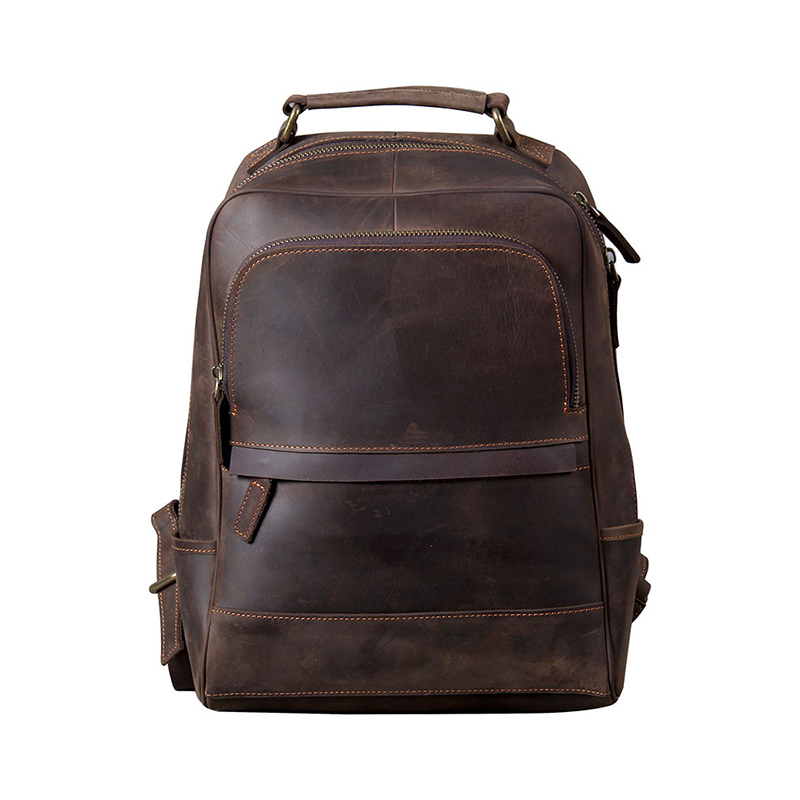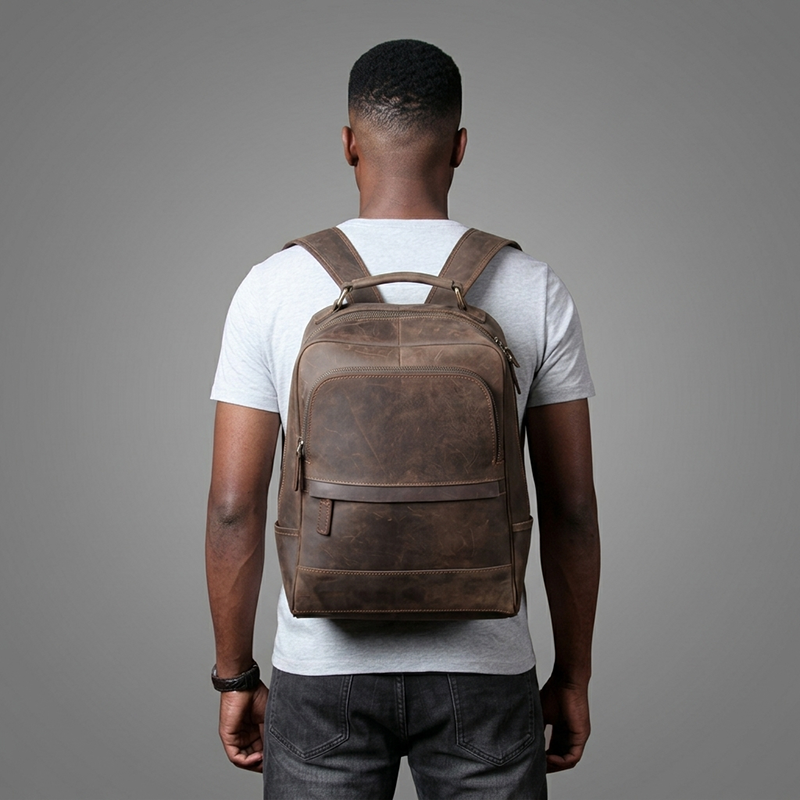
There's a common misconception about fine leather that does a lot of damage: the idea that a great leather bag should look the same in ten years as it did on day one.
It shouldn't. And if it does, something has gone wrong.
The best leather goods aren't meant to resist time — they're meant to move through it gracefully. The surface darkens at the contact points. The edges develop a deeper tone. The whole piece takes on a warmth and depth that only comes from actual use. This is patina, and it's not an accident or a side effect — it's the point.
But here's the part that matters: patina and deterioration are not the same thing. A leather bag that ages beautifully is one that has been properly maintained. A leather bag that cracks, stiffens, and flakes is one that hasn't. The difference between those two outcomes is largely a question of conditioning — specifically, knowing which oils and conditioners actually help full-grain leather, which ones do harm, and how to use them correctly.
This guide covers all of it. Whether you're caring for a crazy horse leather bag, a vegetable-tanned piece, or a full-grain bag you've owned for years and want to bring back to life, you'll find clear, practical answers here.

Why Full-Grain Leather Needs Conditioning
Leather is not a synthetic material with a fixed chemical composition. It's a natural, once-living material — and like most natural materials, it requires maintenance to stay in good condition.
The hide of an animal contains natural oils and fats distributed through its fiber structure. During tanning and processing, some of these oils are reduced or altered. What remains is a durable material — but one that can gradually dry out over time without proper care.
Leather drying out is usually a gradual process. The fibers slowly lose flexibility. The surface may begin to look dull or chalky. Small stress lines appear at flex points like handles, corners, and straps. Left untreated long enough, those lines can deepen into cracks.
Conditioning leather regularly helps:
-
Maintain flexibility
-
Support the fiber structure
-
Reduce surface dryness
-
Encourage a richer patina over time
The goal of full-grain leather maintenance isn't to stop aging — it's to help leather age well.
.png?w=2210&h=152)
Best Oils for Leather — And Which Ones to Avoid
Not every oil that moisturizes leather is good for it long-term. Some nourish the fiber structure properly, while others may oxidize, weaken the leather, or create uneven finishes over time.
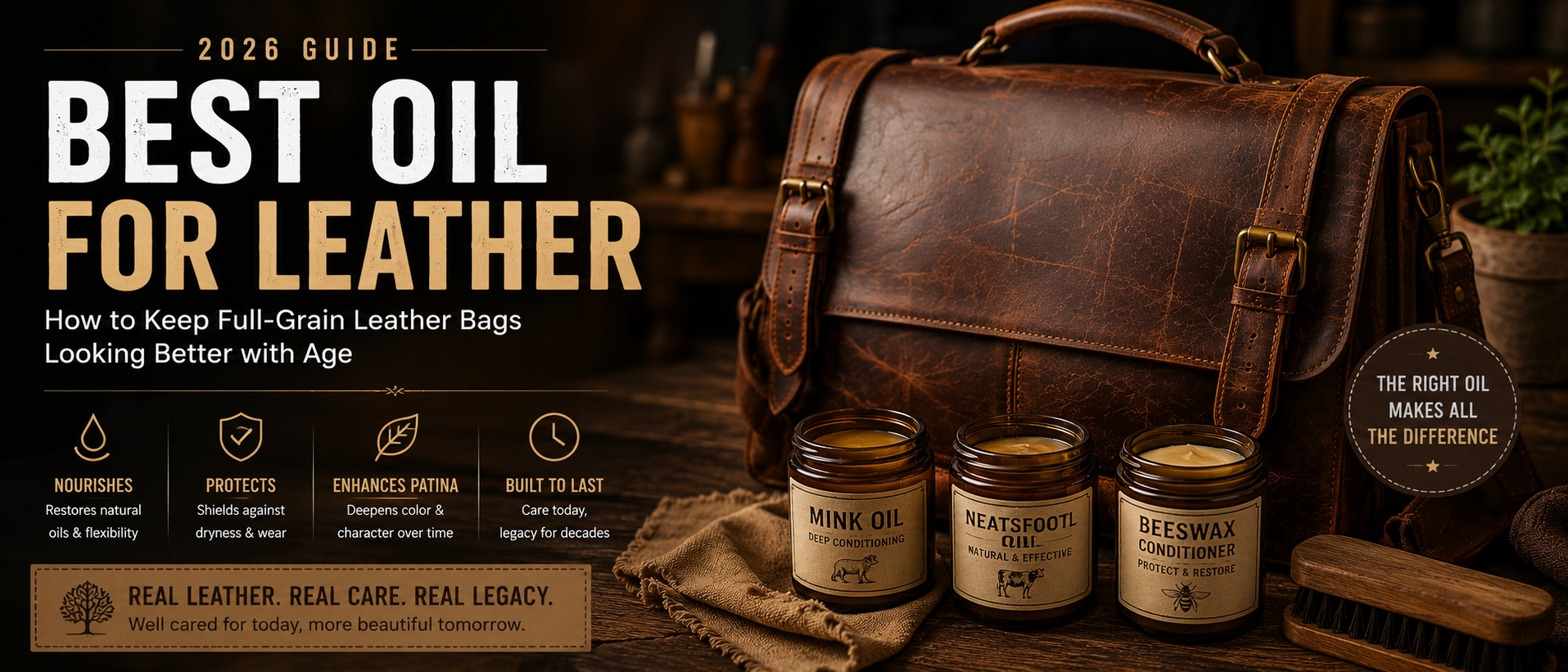
✅ Mink Oil — Best for Rugged & Crazy Horse Leather
Mink oil has been used in leather care for generations and is commonly recommended for rugged full-grain leather.
Best for:
-
Crazy horse leather
-
Dark full-grain leather
-
Rugged travel bags
-
Work-style leather goods
What it does:
Mink oil penetrates deeply into thicker or wax-heavy leather and helps restore flexibility while adding mild water resistance.
It also tends to darken leather noticeably, which many users prefer on darker crazy horse leather because it enhances depth and contrast.
⚠️ Important:
Mink oil is not ideal for every leather type. On lighter vegetable-tanned leather or structured luxury-style bags, it may darken the surface more than expected or soften the leather excessively. Always test on a hidden area first.
✅ Neatsfoot Oil — Often Used for Vegetable-Tanned Leather
Neatsfoot oil has a long history in leather care, especially in saddlery and traditional leatherwork.
Best for:
-
Vegetable-tanned leather
-
Natural-toned leather
-
Traditional leather goods
What it does:
Neatsfoot oil helps soften leather and restore flexibility while supporting natural patina development.
Compared to mink oil, it usually creates a more natural finish, though it can still darken leather depending on the material and amount used.
⚠️ Important:
Use pure neatsfoot oil whenever possible. Compound versions often contain petroleum-based additives that may not be ideal for premium leather. As with any conditioner, test first before full application.
✅ Beeswax-Based Conditioner — Best for Everyday Maintenance
A high-quality beeswax leather conditioner is one of the safest and most versatile options for everyday leather care.
Best for:
-
Leather bags
-
Belts
-
Wallets
-
Everyday full-grain leather goods
What it does:
Beeswax conditioners provide light nourishment while creating a mild protective barrier against moisture and surface wear.
They usually create less darkening than heavy oils, making them a practical choice for routine maintenance.
❌ What Not to Use on Leather
This matters just as much as knowing what works.
❌ Olive Oil
Olive oil is one of the most common DIY leather care suggestions online — and one of the least reliable.
While it may temporarily soften leather, olive oil can oxidize over time, potentially creating odors and affecting the leather structure unpredictably.
❌ Coconut Oil
Coconut oil can oversaturate certain leathers and may create uneven darkening or surface residue, especially in humid conditions.
❌ Cooking Oils
Vegetable oil, sunflower oil, and similar kitchen oils are not designed for leather care and may become rancid over time.
👉 In general, it's safest to use products specifically formulated for leather conditioning.
How Often Should You Condition Leather?
As a general guideline:
👉 Condition full-grain leather every 3–6 months
However, the ideal schedule depends on:
-
Climate
-
Frequency of use
-
Leather type
-
Sun exposure
Condition More Often If:
-
You live in a dry climate
-
The bag sees heavy daily use
-
The leather is exposed to sunlight frequently
Condition Less Often If:
-
The leather is wax-heavy (like crazy horse leather)
-
The bag is stored more often than used
-
The leather still feels supple and healthy
The best indicator is the leather itself.
Healthy leather:
-
Feels flexible
-
Has a gentle natural sheen
-
Doesn't appear chalky or stiff

How to Apply Leather Oil Properly
Step 1 — Clean the Leather
Remove dust and dirt using a soft cloth before conditioning.
Step 2 — Test First
Always apply conditioner to a small hidden area first to check for darkening or finish changes.
Step 3 — Apply a Thin Layer
Use a soft cloth or applicator sponge and work the conditioner in gently using circular motions.
👉 Less is better. Over-conditioning can oversaturate leather.
Step 4 — Let It Absorb
Allow the product to absorb fully for at least 15–30 minutes.
Heavier oils may require longer.
Step 5 — Buff Gently
Use a clean dry cloth to remove excess product and restore an even finish.
The leather should feel smooth and conditioned — not greasy.
Crazy Horse Leather vs Vegetable-Tanned Leather Care
Different leathers require different care routines.
Caring for Crazy Horse Leather
Crazy horse leather already contains a rich wax-and-oil finish.
This means:
-
It generally needs less conditioning
-
It develops visible character quickly
-
Minor scratches are part of the aesthetic
For most users, conditioning a crazy horse leather bag 2–3 times per year is enough.
Mink oil is commonly used on darker crazy horse leather, though testing first is still important because results vary depending on finish and color.
Caring for Vegetable-Tanned Leather
Vegetable-tanned leather is more reactive and develops patina more dramatically over time.
Because it has a more open surface structure, it can dry out faster than wax-heavy leather.
This means:
-
More frequent conditioning may be needed
-
Sunlight and handling affect color more noticeably
-
Patina develops faster and more visibly
Neatsfoot oil or a gentle beeswax conditioner are commonly used options, depending on the desired finish and level of darkening.
At KKICO, we choose leathers designed to develop real character over time rather than remain artificially uniform forever.
.png?w=2210&h=177)
Signs Your Leather Bag Needs Conditioning
Watch for these common signs:
Surface Looks Dull
Healthy leather has a soft natural luster.
Leather Feels Stiff
Dry leather loses flexibility before cracking begins.
Fine Lines at Stress Points
Handles, corners, and straps usually show dryness first.
Uneven Dry Patches
Patina looks rich and intentional. Dryness looks flat and lifeless.
Frequently Asked Questions
Q: What is the best oil for leather bags?
It depends on the leather type. Mink oil is commonly used for rugged or crazy horse leather, while neatsfoot oil and beeswax conditioners are often preferred for vegetable-tanned and everyday leather care.
Q: Can I use olive oil on leather?
It's generally not recommended. Olive oil may oxidize over time and can create uneven results.
Q: Does leather oil darken leather?
Yes — many oils and conditioners can darken leather temporarily or permanently. Always test first on a hidden area.
Q: How often should I condition full-grain leather?
Most full-grain leather bags benefit from conditioning every 3–6 months, depending on use and climate.
Q: Is mink oil good for crazy horse leather?
It can work well on darker crazy horse leather because it enhances depth and flexibility, but it may darken lighter finishes significantly.
The Goal Isn't to Keep Leather New
This is perhaps the most important thing to understand about leather care.
Conditioners and oils are not meant to freeze leather in time or keep it looking untouched forever.
The goal is not perfection.
The goal is character.
A well-maintained full-grain leather bag develops:
-
deeper color
-
smoother edges
-
richer texture
-
a patina unique to its owner
That's what makes great leather different from synthetic materials.
The marks, changes, and aging are part of the experience — not flaws to avoid.
Final Thoughts
Leather care isn't complicated, but it does require consistency and the right products.
To recap:
-
Mink oil works best for rugged and darker wax-heavy leather
-
Neatsfoot oil is commonly used for vegetable-tanned leather
-
Beeswax conditioners are excellent for routine maintenance
-
Cooking oils should be avoided entirely
Most importantly — let the leather age naturally.
A properly maintained full-grain leather bag doesn't wear out the way synthetic materials do. It develops character, depth, and a history that becomes uniquely yours over time.
At KKICO, we design full-grain leather bags meant to age beautifully — not stay artificially perfect forever. Every piece is built to be carried, used, maintained, and shaped by years of real life.