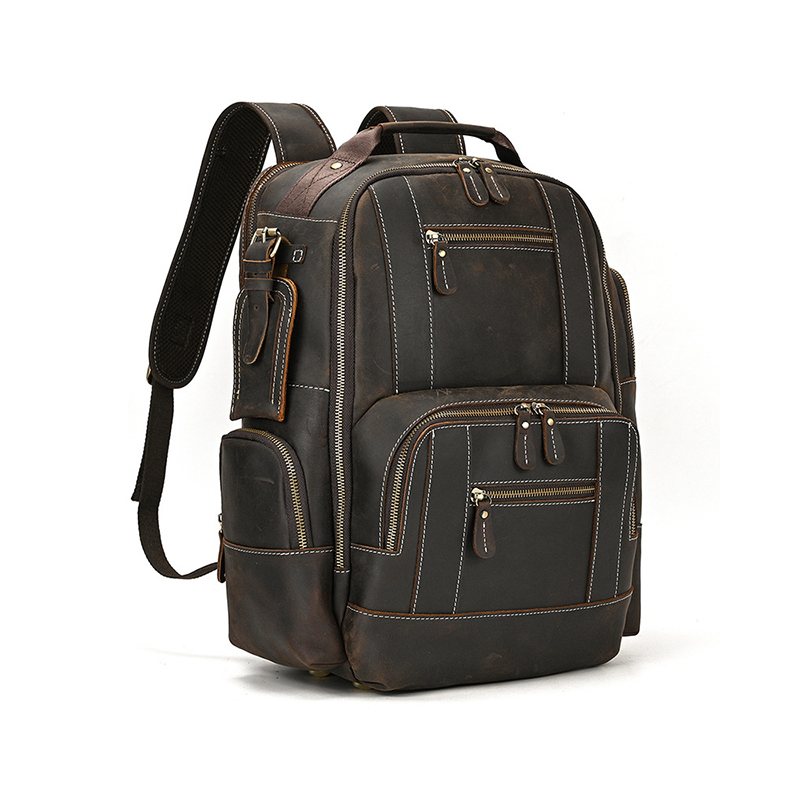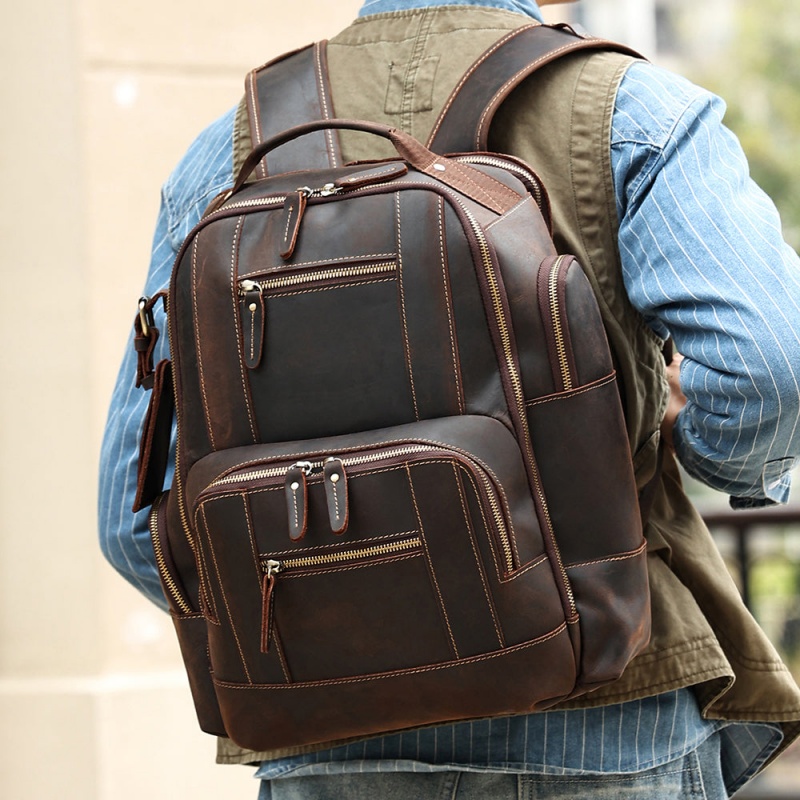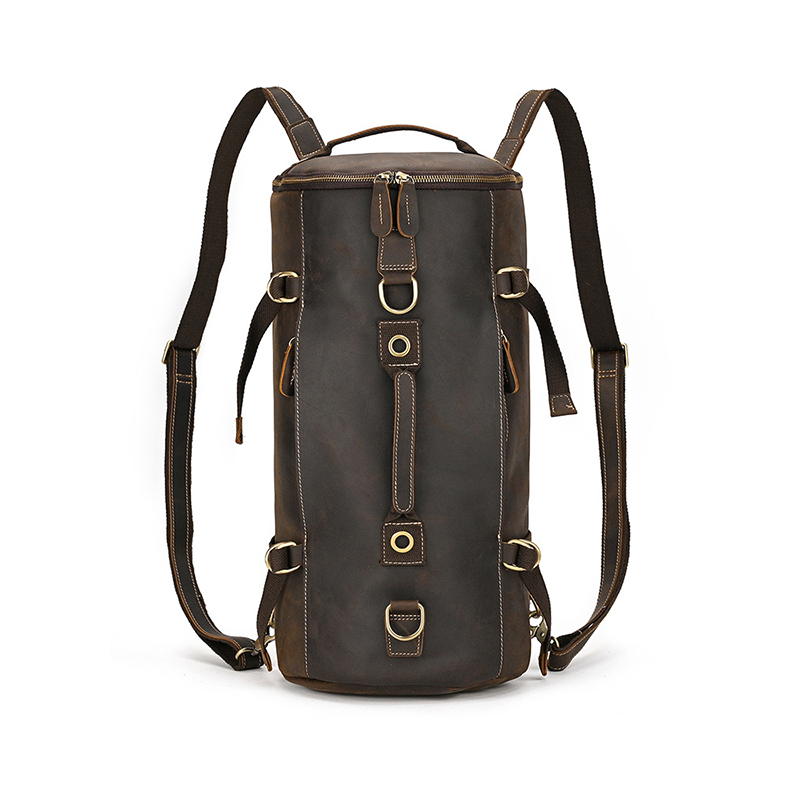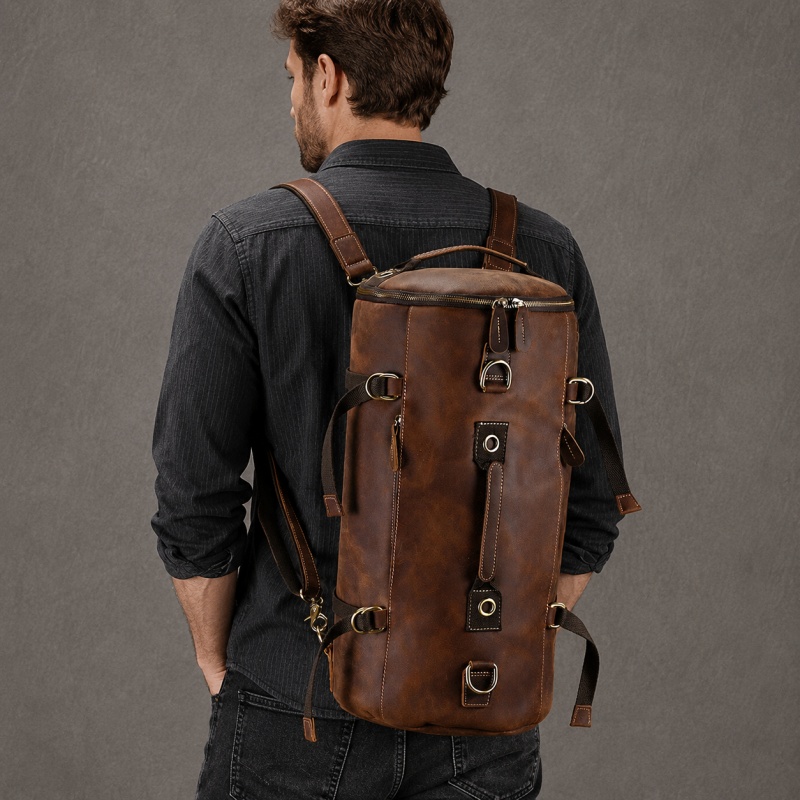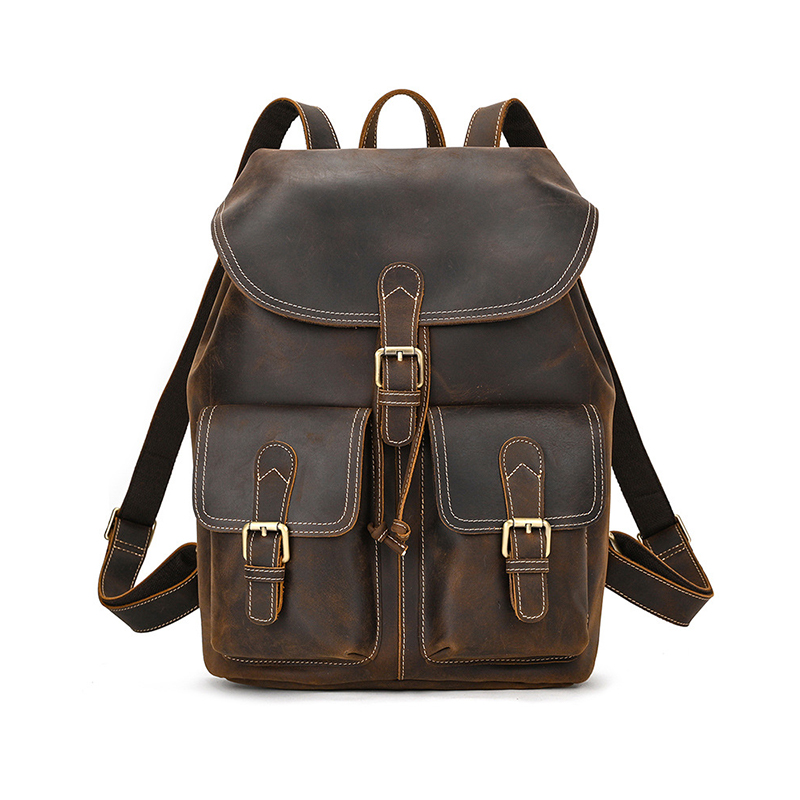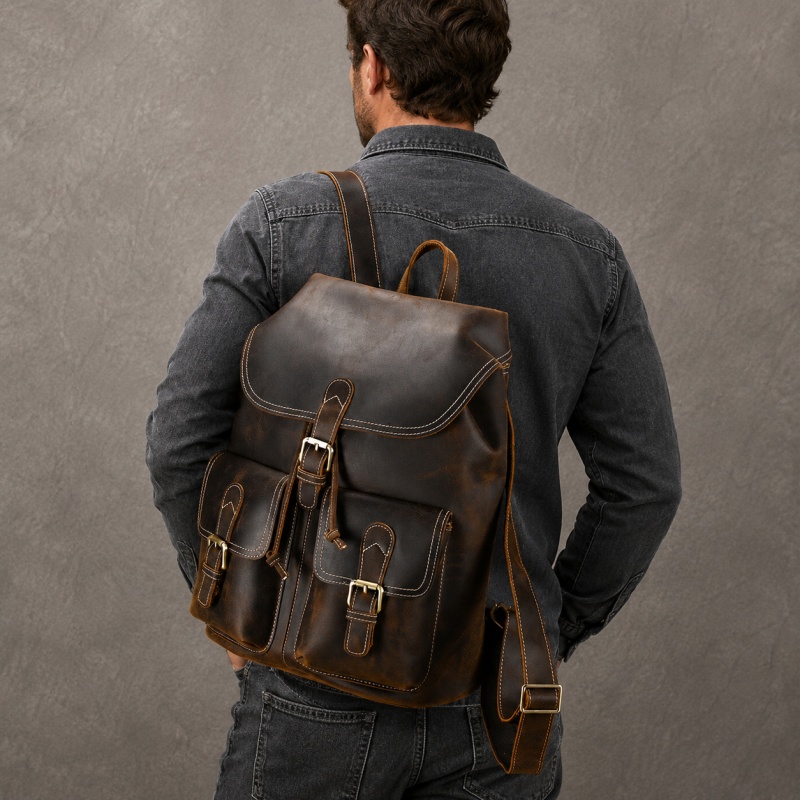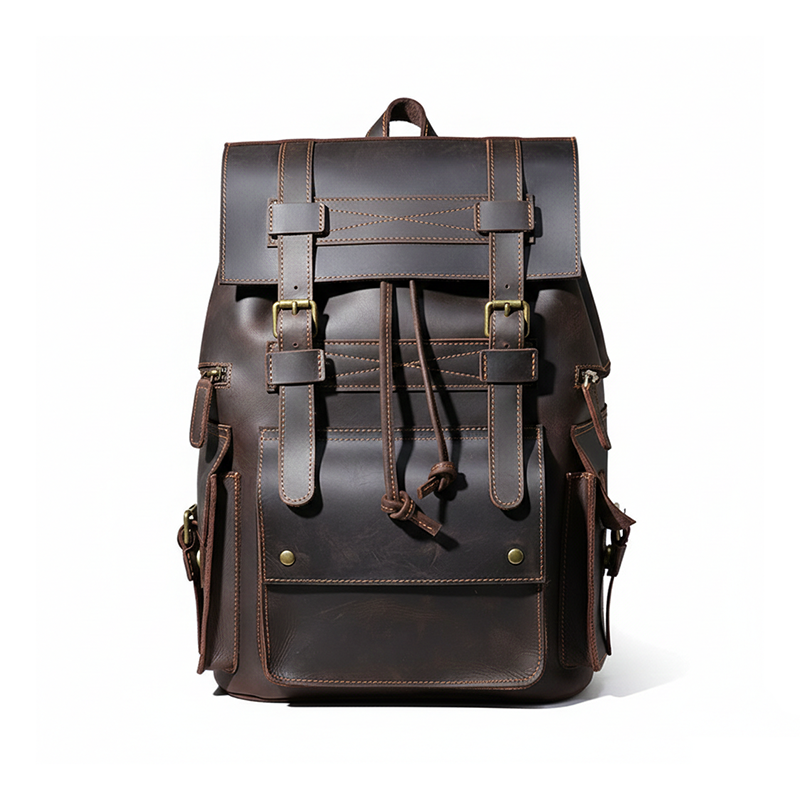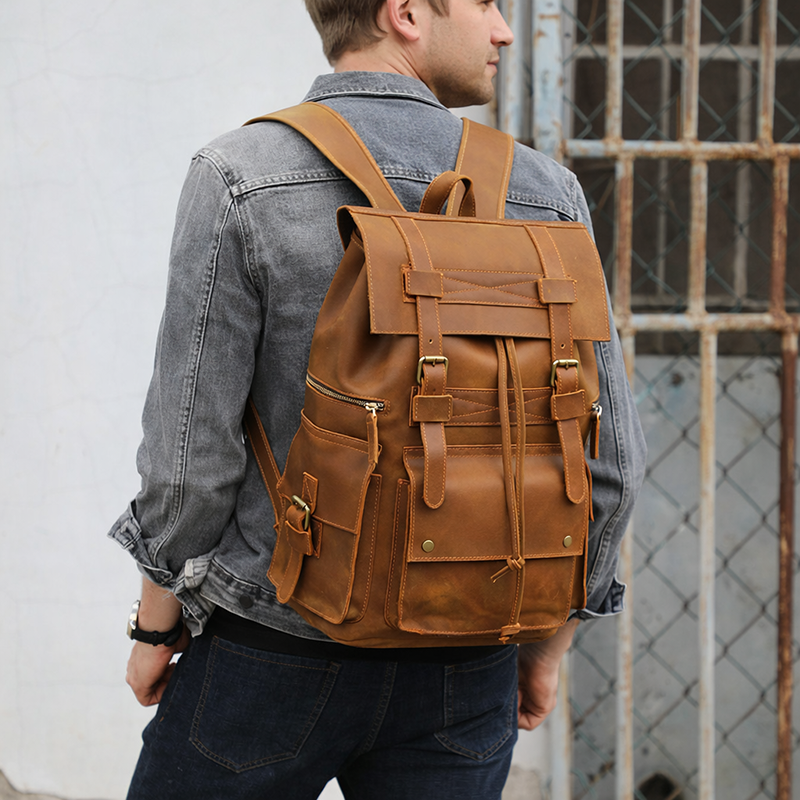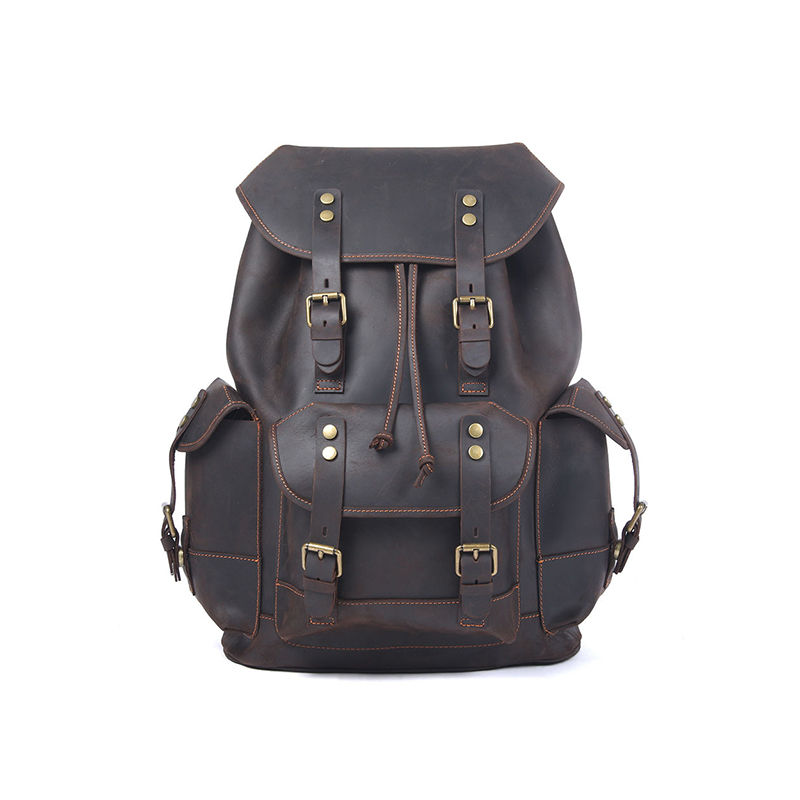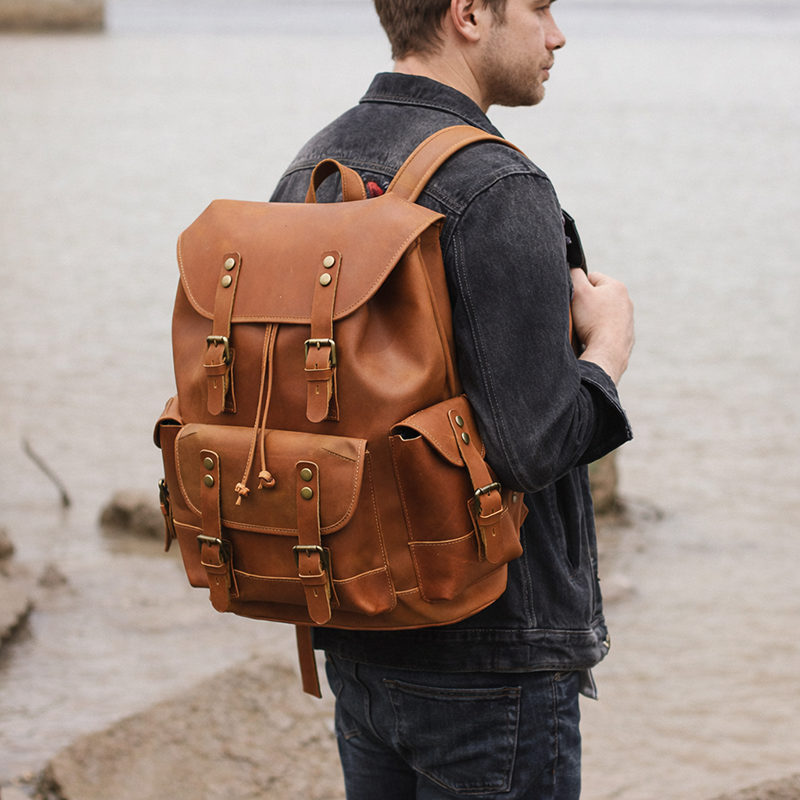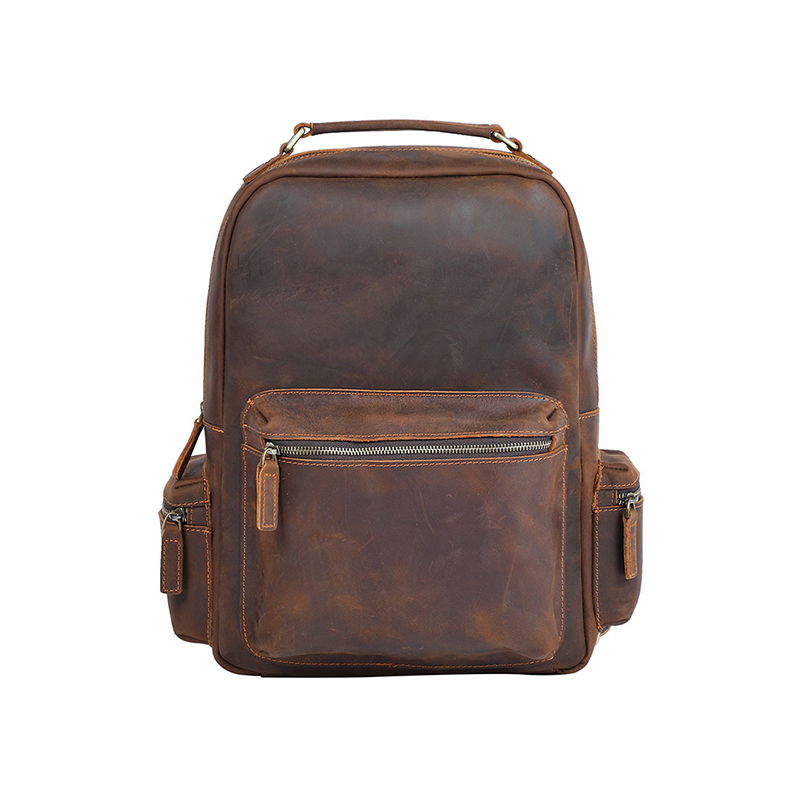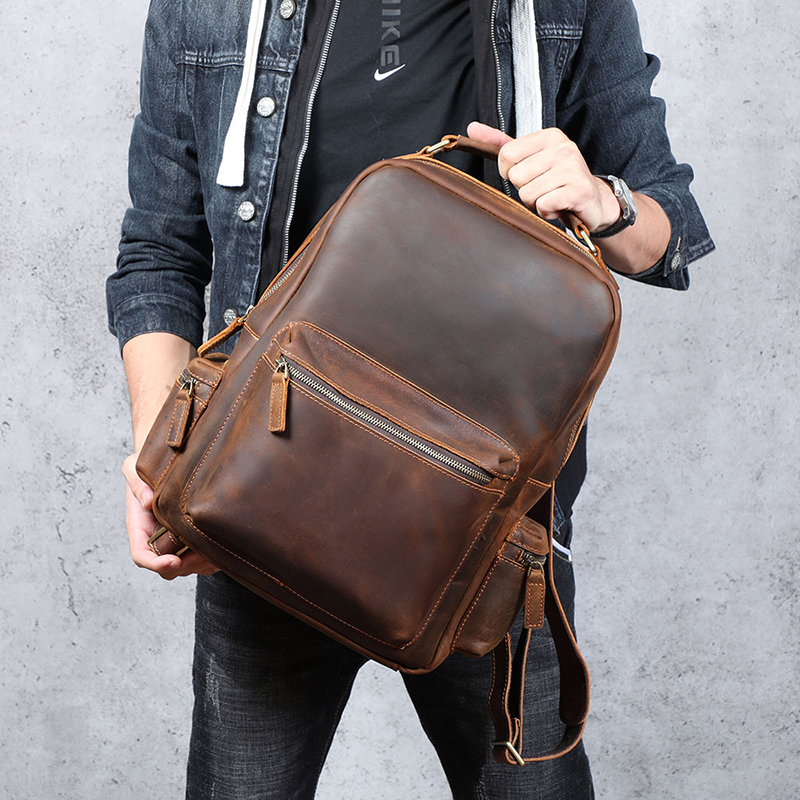
A well-made canvas backpack can remain useful for several years, but its actual lifespan depends more on fabric density, stitching, daily load, weather exposure, and construction than on canvas alone.
Canvas handles abrasion well, but the main fabric is only one part of a backpack. The body may still look strong when a shoulder strap connection, zipper slider, base seam, buckle, or carry handle begins to fail.
The opposite can also happen. A backpack may develop fading, creases, softened fabric, and darker leather while remaining secure and fully functional.
How often the bag is used matters.
How it is used matters more.
A lightly packed backpack used on weekends experiences a very different kind of wear from one carrying a laptop, charger, water bottle, books, and work equipment every day.
A backpack reaches the end of its useful life when structural damage affects comfort, security, or the protection of the items inside—not simply when the fabric begins to look used.
Quick Answer: How Long Does A Canvas Backpack Last?
There is no fixed lifespan that applies to every canvas backpack.
A well-constructed bag used within a reasonable load can remain useful for multiple years. An occasional-use backpack may last considerably longer, while a heavily loaded work or travel bag may show wear sooner.
| Usage Pattern | What To Expect |
|---|---|
| Occasional weekend use | May remain useful for many years |
| Normal work and commuting | Often lasts multiple years with reasonable care |
| Heavy daily laptop carry | Lifespan depends heavily on straps, seams, and base construction |
| Frequent outdoor use | Moisture, dirt, and abrasion may shorten its lifespan |
| Regular overloading | Can cause early failure around stress points |
| Maintained waxed canvas | Can remain functional for years with occasional rewaxing |
Under normal commuting or everyday use, a well-made canvas backpack can often remain functional for several years, while occasional-use bags may last considerably longer.
That is a general expectation, not a guarantee.
Two backpacks made from similar canvas can age very differently because of their stitching, hardware, reinforcement, pocket layout, and intended load. A thick fabric body cannot compensate for weak strap attachments or an unreliable zipper.
The useful life of the whole backpack is often determined by its weakest important component.
The question is not only how often the backpack is used, but how much weight it carries and where that weight is concentrated.
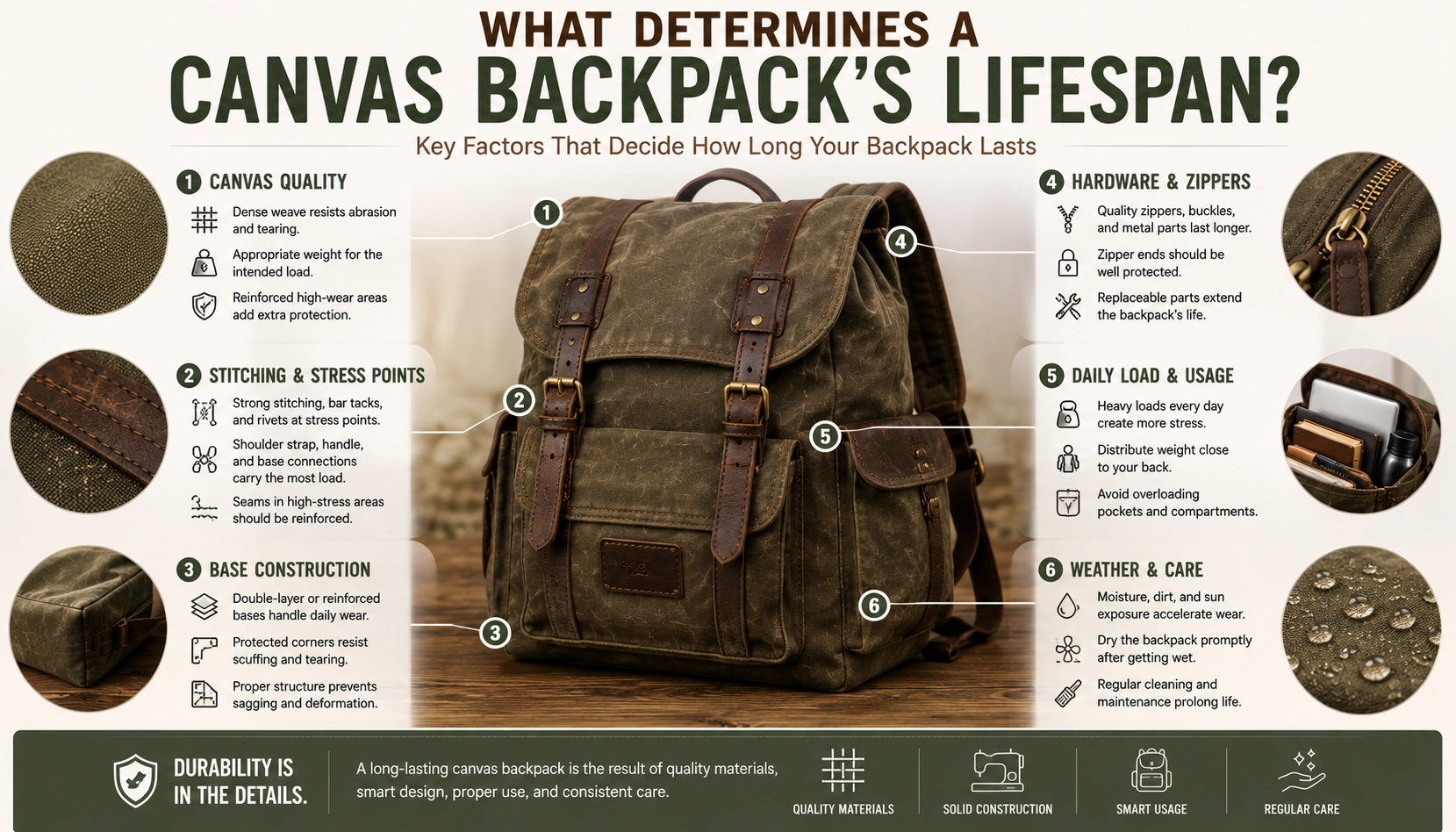
What Determines A Canvas Backpack’s Lifespan?
Canvas durability matters, but lifespan comes from the way all parts of the backpack work together.
The fabric, seams, shoulder straps, base, hardware, daily load, moisture exposure, and cleaning habits all affect how long the bag remains comfortable and dependable.
Canvas Weight, Weave And Base Construction
Canvas is often judged by thickness alone.
That can be misleading.
A thick fabric with a loose weave may stretch, distort, or abrade more easily than expected. A slightly lighter canvas with a dense and stable weave may perform better under normal use.
When examining canvas, consider whether:
-
The weave appears dense and consistent
-
The surface separates easily when pulled
-
Large gaps are visible between the threads
-
High-friction areas have additional reinforcement
-
The material suits the weight the backpack is expected to carry
Heavier canvas may offer greater abrasion resistance and structure, but fabric weight alone does not guarantee better construction.
It also increases the empty weight of the backpack. A heavy fabric body combined with narrow straps or weak attachments may be less practical than a balanced design using lighter, well-reinforced material.
The base deserves particular attention.
It supports the contents and regularly comes into contact with floors, pavement, damp surfaces, car seats, and sharp objects. Base corners experience both internal pressure and external abrasion.
Useful base features may include:
-
Dense or double-layer canvas
-
Reinforced corners
-
Protected seams
-
An internal support panel
-
Leather or stronger fabric in high-wear areas
-
Stitching positioned away from direct ground contact
A backpack can look substantial from the front while having a base that is not designed for repeated heavy loads.
To understand how canvas, lining, foam, leather, and reinforcement work together, see our guide to backpack materials and construction.
Canvas thickness matters, but weave density, reinforcement, and base construction often matter just as much.
Stitching, Straps And Stress Points
Backpacks rarely fail first in the middle of a large, flat canvas panel.
Problems more often begin where force is concentrated:
-
Shoulder strap attachments
-
Carry handle attachments
-
Base seams
-
Pocket corners
-
Zipper ends
-
Buckle tabs
-
Leather-to-canvas connections
-
Areas around rivets and metal rings
Every time the backpack is lifted, its weight moves through a relatively small number of attachment points.
Shoulder straps may support the load for hours. The top handle may carry the same weight briefly each time the bag is picked up. A front pocket packed with chargers or tools pulls continuously against its corners.
Look for reinforcement where the load actually travels.
That may include multiple rows of stitching, bar tacks, rivets, wider attachment panels, folded canvas, backing material, or leather reinforcement.
The straps themselves should also match the intended use. Consider their width, padding, adjustability, and connection area.
A strap does not need to detach completely before it affects the useful life of the backpack. Permanent twisting, collapsed padding, slipping adjustment buckles, or visible stretching around the attachment point can make the bag uncomfortable and unreliable.
Carry handles face similar stress. A handle sewn into a narrow section of single-layer canvas may distort the upper panel after repeated lifting, especially when the backpack is full.
The main canvas panel is rarely the only part that determines lifespan. Stress points often fail first.
Daily Load And Weight Distribution
A backpack may have enough space for a heavy item without having the reinforcement needed to carry that item every day.
Common dense items include:
-
Laptops
-
Chargers
-
Water bottles
-
Books
-
Cameras
-
Tools
-
Power banks
-
Travel equipment
One unusually heavy day may not cause visible damage. Repeated load is the larger concern.
Daily weight places continuous tension on the shoulder straps, base, zipper line, side seams, and carry handle. Small weaknesses become more noticeable after hundreds of uses.
Placement matters as much as total weight.
Heavy items stored close to the back panel remain nearer the body’s center of gravity. The same items placed in an outer front compartment pull the backpack backward and increase leverage on the straps.
An overloaded side pocket can distort the bag unevenly. A hard object pressed against the zipper line can make the slider difficult to move and pull the teeth out of alignment.
Regularly packing the backpack until the front panel bulges also increases pressure on seams and zipper tape.
A practical backpack organization and weight distribution system can reduce unnecessary stress by keeping heavy items close to the back and preventing one pocket from carrying too much weight.
A backpack may have enough space for a heavy load without having the reinforcement needed to carry that load every day.
Zippers, Buckles And Hardware
The canvas body may outlast the parts used to open, close, and adjust the backpack.
Common hardware problems include:
-
A worn zipper slider
-
Misaligned zipper teeth
-
Torn zipper tape
-
A bent buckle
-
A loose snap
-
A missing rivet
-
An adjustment buckle that slips
-
A deformed hook or ring
-
Corrosion around metal parts
Some problems are relatively easy to repair.
A missing zipper pull can often be replaced. A worn slider may also be replaceable when the zipper teeth and tape remain intact.
Other failures affect the surrounding structure. A rivet pulling through weakened canvas or a load-bearing buckle tab tearing away may require reinforcement rather than a simple hardware replacement.
It also helps to distinguish decorative hardware from structural hardware.
A decorative front buckle may have little effect on safety. A ring connecting a shoulder strap to the bag is far more important.
If a zipper becomes rough or difficult to move, address the problem before forcing it. Our guide to how to fix a stuck backpack zipper explains how to check for trapped fabric, dirt, dryness, pressure, and slider damage.
A durable fabric cannot compensate for a zipper, buckle, or strap connection that is not built for repeated use.
Weather And Moisture Exposure
Untreated canvas can absorb water. Waxed or coated canvas generally handles brief light moisture better, but the backpack also contains seams, zippers, lining, padding, leather, and hardware.
Water may enter through:
-
Stitching holes
-
Zipper openings
-
Flap edges
-
Drawstring closures
-
Pocket openings
-
Material connection points
Brief exposure to light rain does not necessarily shorten a backpack’s life when it is dried properly.
Trapped moisture is more concerning.
A backpack may feel dry on the outside while the lining, laptop sleeve, base, or foam remains damp. This can lead to odor, mildew, corrosion, staining, deformed padding, or weakening of adhesive-backed or laminated internal components.
Leather trim may also stiffen or lose flexibility after repeated soaking and rapid heat drying.
Mold requires a practical judgment. A small surface spot that can be cleaned completely is different from mold that has spread into inaccessible lining, foam, or padding, or returns after appropriate cleaning.
For more detail on untreated, coated, and waxed canvas, read whether canvas backpacks are waterproof.
Moisture causes the most trouble when it remains trapped inside the fabric, lining, padding, or leather trim.
Cleaning And Drying Habits
Cleaning methods should match the construction of the backpack.
Risky habits include machine washing, full soaking, strong detergent, bleach, aggressive scrubbing, tumble drying, radiator heat, and storing the bag while damp.
These methods may cause:
-
Canvas shrinkage or fading
-
Loss of wax or surface treatment
-
Hardened leather
-
Distorted padding
-
Wrinkled lining
-
Weakened bonded components
-
Permanent changes to the shape
A plain, unstructured canvas tote may tolerate cleaning methods that would damage a padded canvas and leather laptop backpack.
Routine maintenance should usually begin with dry brushing and targeted spot cleaning.
For a complete cleaning process, read how to clean a canvas backpack.
Before using a washing machine, see our guide to machine washing a canvas backpack.
Regular Canvas vs Waxed Canvas: Which Lasts Longer?
Waxed canvas is often described as more durable than regular canvas.
That is not always accurate.
Wax changes how the surface handles light moisture, dirt, and abrasion. It does not improve weak stitching, poorly attached straps, thin zipper tape, or low-quality hardware.
Regular Canvas
Regular canvas generally has a softer, more flexible fabric feel. It does not have a wax layer that needs occasional renewal and works well for ordinary commuting, casual work use, and dry-weather travel.
Possible trade-offs include faster water absorption, visible staining, fading, and gradual wear in high-friction areas.
Cleaning requirements vary according to the dye, weave, and surface finish. Some regular canvas can be spot cleaned easily, while other fabrics absorb moisture or stains quickly.
A dense regular canvas with strong reinforcement may last longer than a poorly constructed waxed canvas bag.
Waxed Canvas
Waxed canvas has a protective treatment on the surface.
It usually offers better resistance to light moisture and some surface dirt. The finish can also be renewed when it has worn significantly.
The trade-offs include more specialized cleaning, visible crease marks, wax loss in high-contact areas, and occasional rewaxing.
Waxed canvas should not normally be machine washed or cleaned with strong detergent because those methods can remove or disturb the finish.
Waxing can help protect the fabric surface, but it cannot strengthen weak stitching, poorly attached straps, or low-quality hardware.
Our waxed canvas backpack vs leather backpack guide compares weight, structure, maintenance, aging, and daily use.
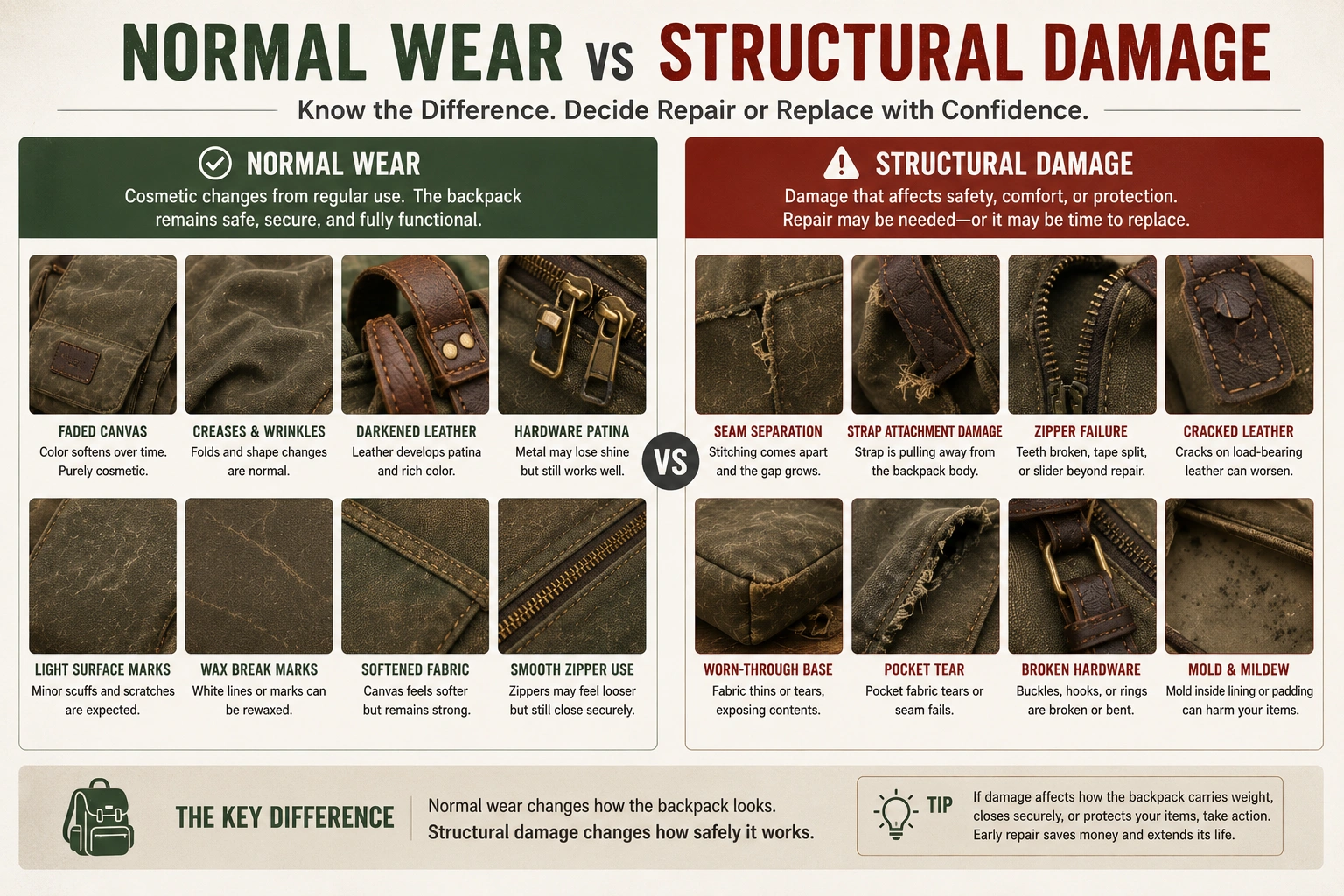
Normal Wear vs Actual Damage
A canvas backpack does not need to look new in order to remain useful.
Some changes affect appearance only. Others indicate that the construction is weakening.
The difference is whether the backpack can still carry, close, and protect its contents safely.
Normal Wear That Does Not Usually Require Replacement
Normal wear may include:
-
Softened canvas
-
Light fading
-
Shallow creases
-
Minor surface marks
-
Wax-break marks
-
Darker leather handles
-
Reduced shine on hardware
-
Slight color variation
These changes usually do not require replacement when the shoulder straps remain secure, the zippers close reliably, the base supports the load, and the contents remain protected.
Canvas often becomes softer with use. Contact areas may fade. Leather handles may darken where they are held. Brass-tone hardware may lose some of its original brightness.
These changes are part of how natural materials age.
Normal wear changes how the backpack looks without changing how safely it works.
This distinction is also important when considering what makes a vintage canvas backpack different.
Damage That Should Be Repaired Early
Some problems are small enough to repair but serious enough not to ignore.
Examples include:
-
Loose stitching
-
Minor seam separation
-
A worn zipper slider
-
A loose rivet
-
A damaged zipper pull
-
A small localized canvas tear
-
A thinning base corner
-
A cracked non-load-bearing leather tab
-
A loose buckle attachment
Early repair prevents stress from spreading.
A short section of loose stitching can become a longer opening. A loose rivet can enlarge the hole around it. A worn slider may damage otherwise usable zipper teeth.
A small tear in strong surrounding canvas is usually easier to patch than a larger tear that reaches a seam or strap attachment.
Small repairs are usually easier while the surrounding canvas is still strong.
Structural Damage That Affects Useful Life
Structural damage changes safety, comfort, or protection.
Examples include:
-
Torn load-bearing canvas
-
A separating shoulder strap attachment
-
A carry handle pulling away from the body
-
Repeated zipper separation
-
A broken structural buckle
-
A badly weakened base
-
Damaged laptop padding
-
An opening that allows valuables to fall out
-
Mold deep inside inaccessible lining or foam
Location matters.
A small tear in a decorative pocket is different from a tear where the shoulder strap joins the backpack. A cracked zipper pull tab may be replaceable, while cracked load-bearing leather requires more caution.
Wear changes appearance. Structural damage changes safety, comfort, and protection.
Which Part Of A Canvas Backpack Usually Wears Out First?
The areas below often show wear before the middle of the canvas body because they experience repeated friction, bending, pulling, or concentrated weight.
| High-Wear Area | Why It Wears Faster | Early Warning Signs |
|---|---|---|
| Base corners | Ground contact and concentrated load | Thinning, fraying, or pale abrasion |
| Strap attachments | Repeated pulling force | Loose stitching or stretched canvas |
| Zippers | Repeated opening and overpacking pressure | Rough movement or separation |
| Carry handle | Supports the full load when lifted | Distortion or loose stitching |
| Pocket corners | Pressure from overfilled pockets | Seam separation |
| Leather tabs | Repeated bending and moisture exposure | Cracks around holes or folds |
| Lining | Contact with laptops and hard accessories | Thinning or exposed padding |
These areas do not always wear faster because they are poorly made. They simply do more work.
Early warning signs matter because many of these problems remain manageable before the surrounding material weakens.
Can A Worn Canvas Backpack Be Repaired?
Many localized problems can be repaired when the surrounding canvas and structural material remain strong.
Repair depends on more than the size of the damaged area. The remaining material must still be able to hold new stitching, a patch, a rivet, or replacement hardware.
Repairs That Often Make Sense
Common repairable problems include:
-
Loose stitching
-
Small seam openings
-
A worn zipper slider
-
A missing rivet
-
A damaged pull tab
-
A small localized tear
-
A replaceable buckle or snap
-
A worn leather tab
A zipper slider may be replaceable without changing the entire zipper. A small tear may be patched when the surrounding canvas remains dense and stable.
Repairing these problems early can prevent them from reaching a load-bearing seam or larger fabric panel.
Repairs That May Not Be Practical
Repair becomes less practical when the backpack has:
-
Large areas of weakened canvas
-
Severely torn strap attachments
-
A badly damaged internal structure
-
Several major failures
-
Material too weak to hold new stitching
-
Mold inside inaccessible lining, foam, or padding
-
Repair costs close to replacement cost
-
Damage that would still leave the bag unsafe
Professional repair may still be technically possible.
The more important question is whether the repair restores dependable daily function.
Repair makes the most sense when the damage is localized and the surrounding material can still support the normal load.
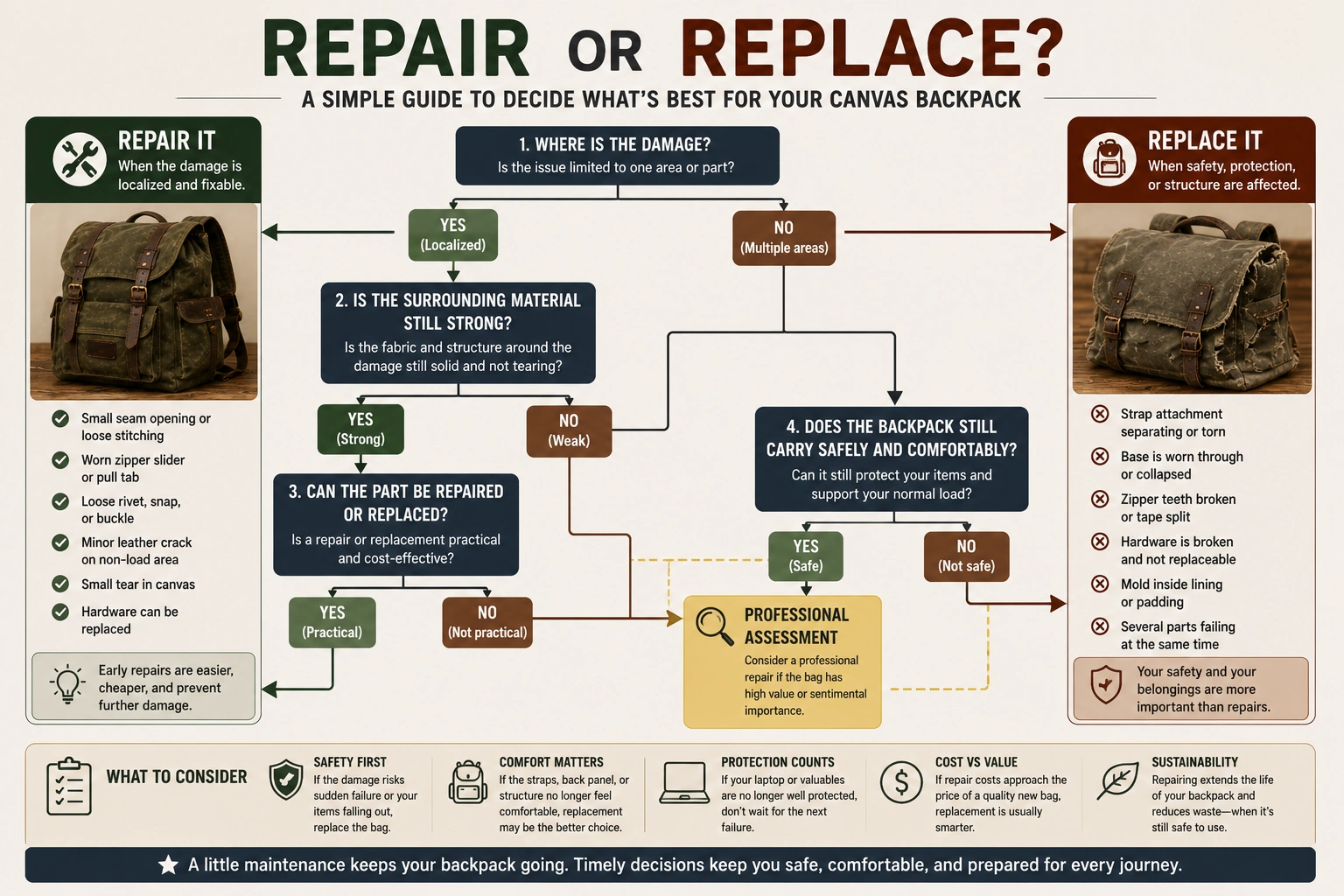
Repair Or Replace: How To Decide
Do not base the decision only on appearance or age.
Consider where the damage is located, whether the surrounding material remains strong, and whether the backpack can still protect its contents after repair.
| Condition | Repair Or Replace? |
|---|---|
| Loose stitching in one area | Usually repair |
| Worn zipper slider | Usually repair |
| Small localized canvas tear | Often repair |
| Loose rivet or buckle | Often repair |
| One damaged leather tab | Often repair |
| Strap attachment pulling apart | Professional assessment needed |
| Large weakened area of canvas | Replacement may be safer |
| Several parts failing together | Replacement usually makes more sense |
| Mold throughout lining or padding | Replacement may be necessary |
| Laptop protection no longer works | Repair or replace before continued use |
Repair It When The Damage Is Localized
Repair usually makes sense when:
-
One component has failed
-
The surrounding material remains strong
-
The damaged part can be replaced
-
The repair restores normal use
-
The cost is reasonable compared with replacement
A loose seam, worn slider, missing rivet, or damaged pull tab often fits this category.
The repair should address the actual cause rather than only improve the appearance.
Replace It When Safety Or Protection Is Affected
Replacement may be safer when:
-
A shoulder strap may detach
-
The base may tear open
-
The zipper cannot hold valuables securely
-
A load-bearing buckle has broken
-
The laptop sleeve no longer protects the computer
-
The back panel or padding cannot be restored
-
The bag remains uncomfortable under its normal load
Comfort is part of useful life.
A backpack that causes uneven strain because its straps or structure are permanently distorted is no longer performing properly, even if the canvas body remains intact.
Replace It When Several Parts Are Failing
One worn zipper slider may be worth repairing.
A backpack with zipper damage, separating straps, a thinning base, torn lining, and cracked leather tabs presents a different situation.
Several failures occurring together often indicate broader wear rather than one isolated problem.
Repeated repairs may eventually cost more than replacement while still leaving the bag unreliable.
A backpack does not need replacing simply because it has faded or softened. Replacement becomes reasonable when repair can no longer restore safe, comfortable, and protective use.
How To Make A Canvas Backpack Last Longer
Extending backpack life is mostly about reducing unnecessary stress and responding to small problems early.
-
Avoid regular overloading.
Do not repeatedly carry more weight than the straps, base, seams, and closures can comfortably support. -
Place heavy items close to the back.
Store laptops, books, tablets, and dense electronics near the back panel to reduce outward leverage. -
Use both shoulder straps.
Carrying the backpack from one shoulder creates uneven stress on the straps and body. -
Lift the bag only by load-bearing handles.
Do not lift a full backpack by pocket flaps, zipper pulls, thin leather straps, or decorative rings. -
Dry it promptly after moisture exposure.
Empty the bag, open its compartments, restore its shape, and leave it in a ventilated shaded area. -
Brush off dry dirt before cleaning.
Removing sand, dust, and dried mud first reduces abrasion during spot cleaning. -
Spot clean instead of soaking.
Treat the stained area rather than saturating leather, padding, lining, and internal structure. -
Inspect stress points regularly.
Check strap attachments, the carry handle, base corners, zipper ends, pocket corners, rivets, and buckles. -
Repair small problems early.
Address loose stitching, worn sliders, and loose hardware before the surrounding material is damaged.
Small repairs made early are usually easier and less expensive than repairs attempted after the surrounding material has also weakened.
What To Look For If Longevity Matters
A long-lasting backpack should be judged as a complete structure rather than by canvas thickness alone.
Look for:
-
Dense canvas suited to the intended load
-
Reinforced strap and handle attachments
-
Strong base construction
-
Protected zipper ends
-
Reliable zippers and buckles
-
Useful rather than decorative leather reinforcement
-
Comfortable straps and realistic empty weight
-
Repairable or replaceable hardware
More fabric, leather, and metal do not automatically create a more durable backpack.
Heavy canvas may add structure while also increasing carrying weight. Large leather panels may look substantial without reinforcing the parts that carry the load. Multiple metal buckles may be decorative rather than structural.
Focus on placement and function.
A leather panel around a strap connection may help distribute force. A decorative patch in the center of a low-stress area contributes much less to lifespan.
Longevity comes from how the materials work together, especially at the parts that carry weight and experience repeated movement.
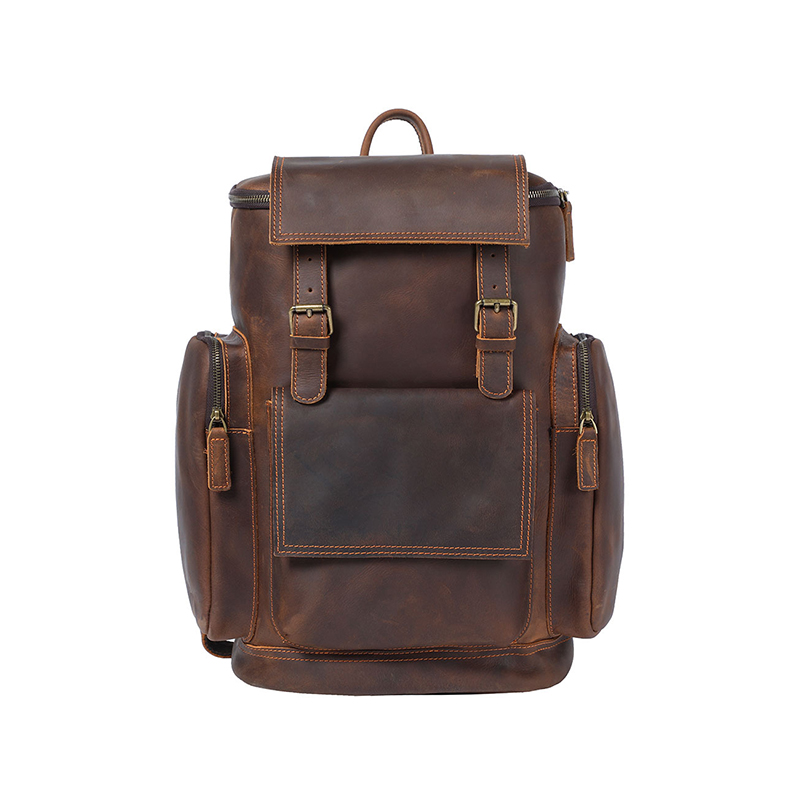
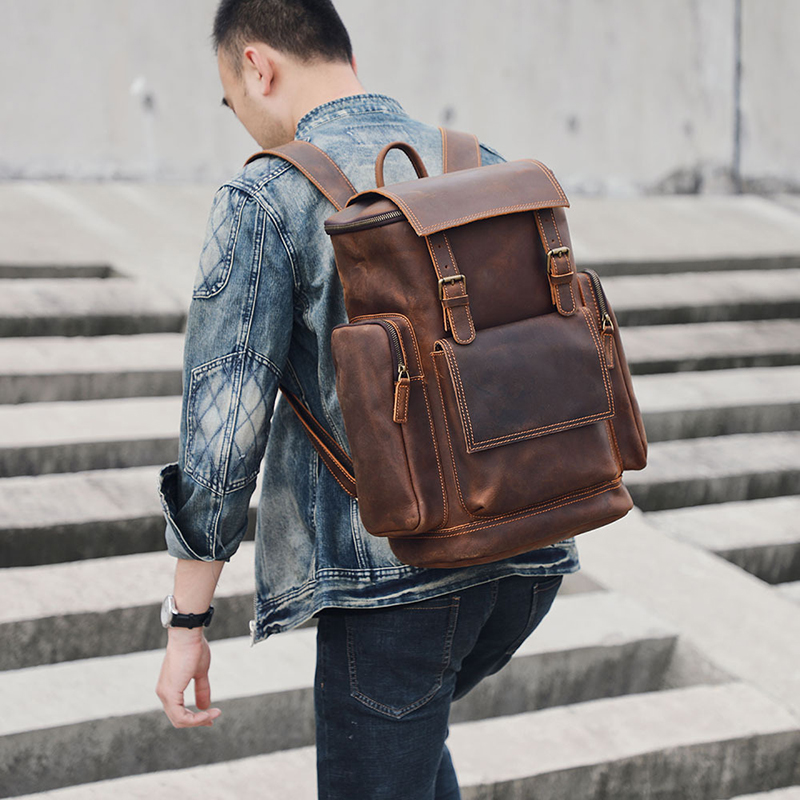
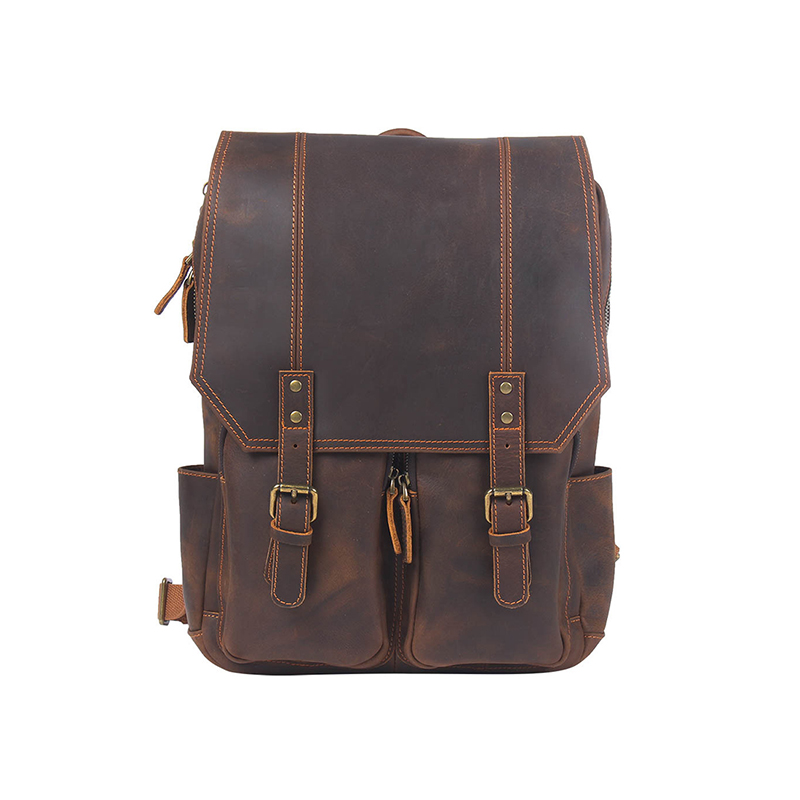
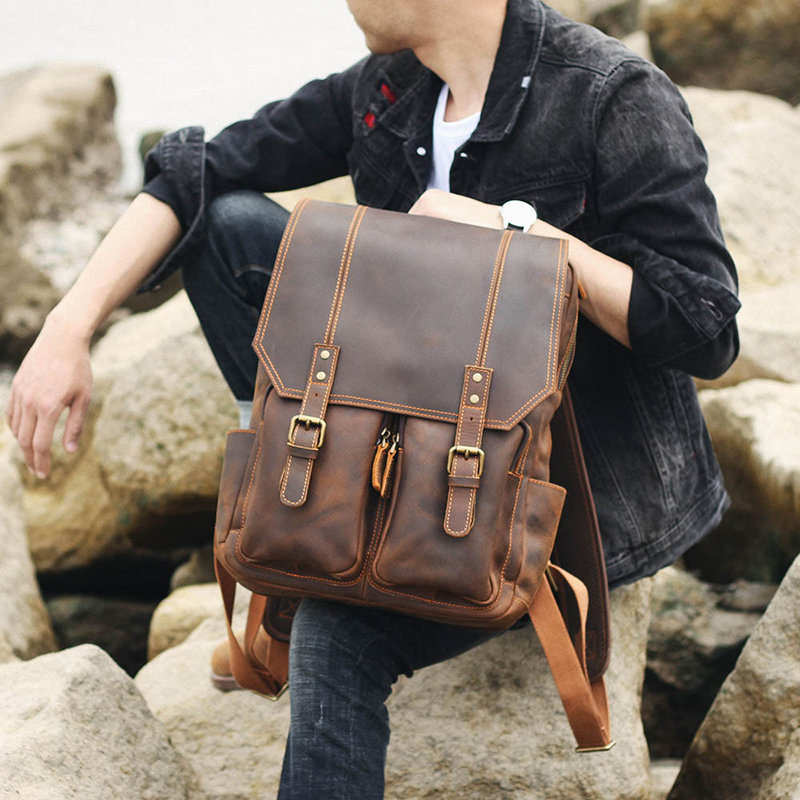
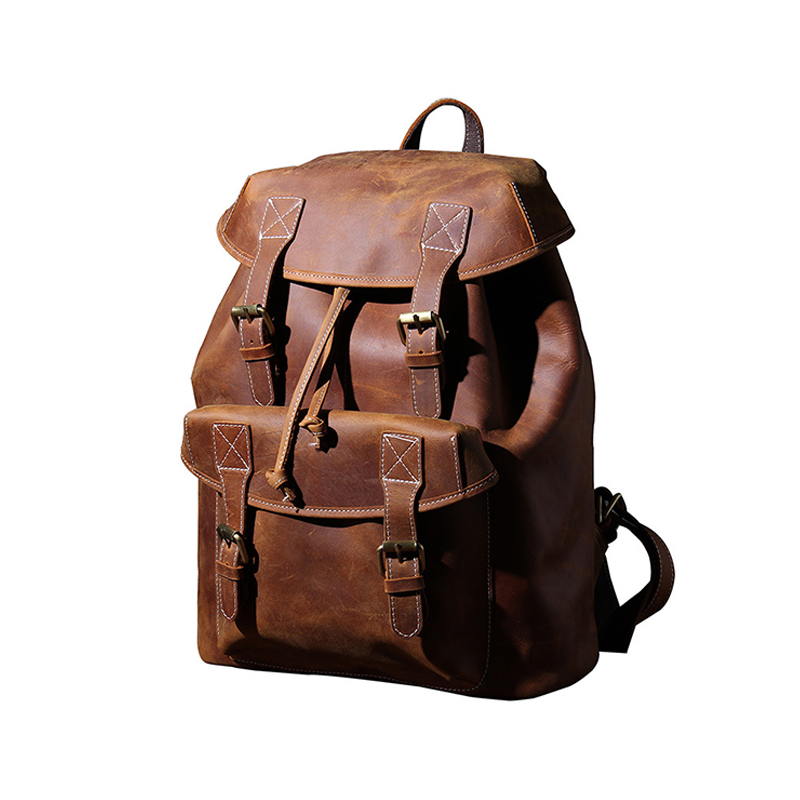
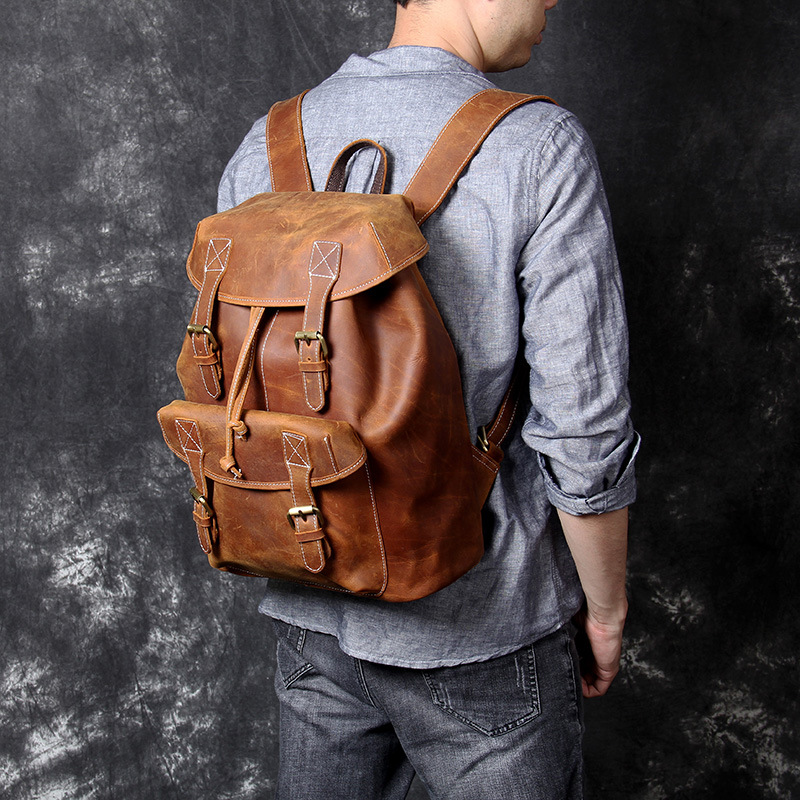
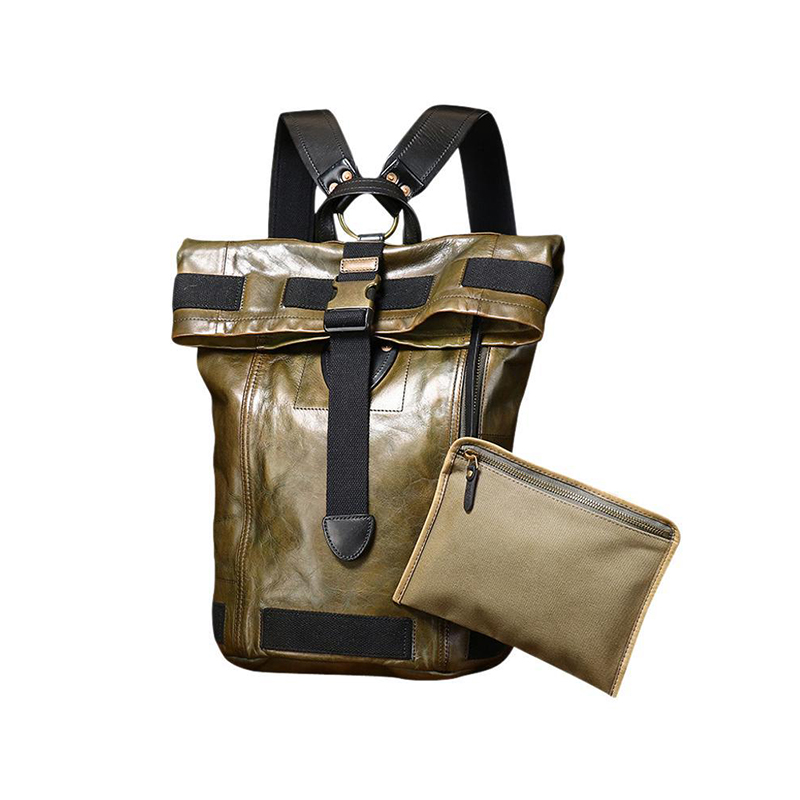
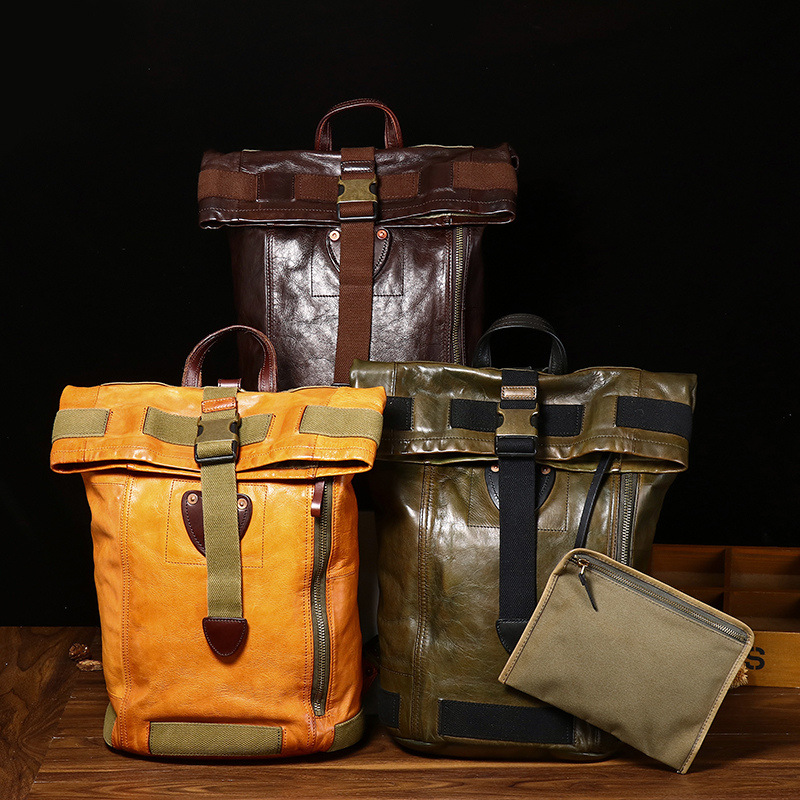
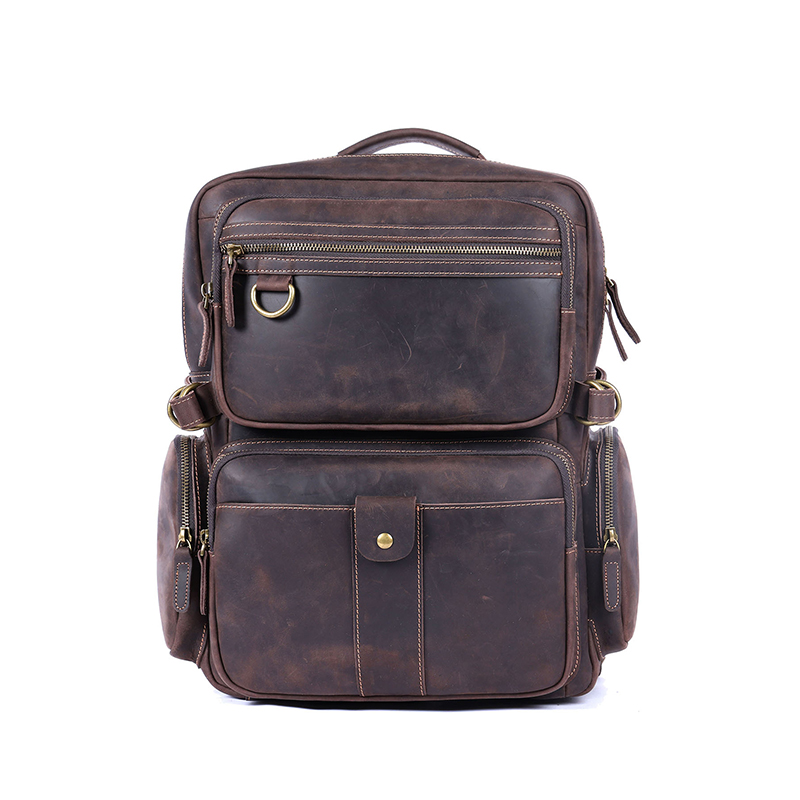
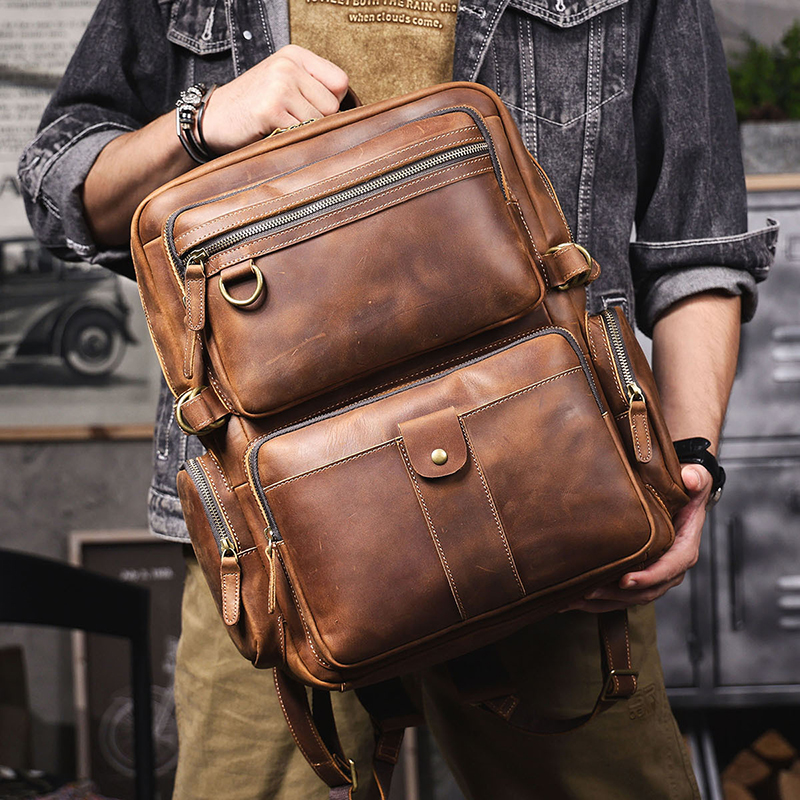
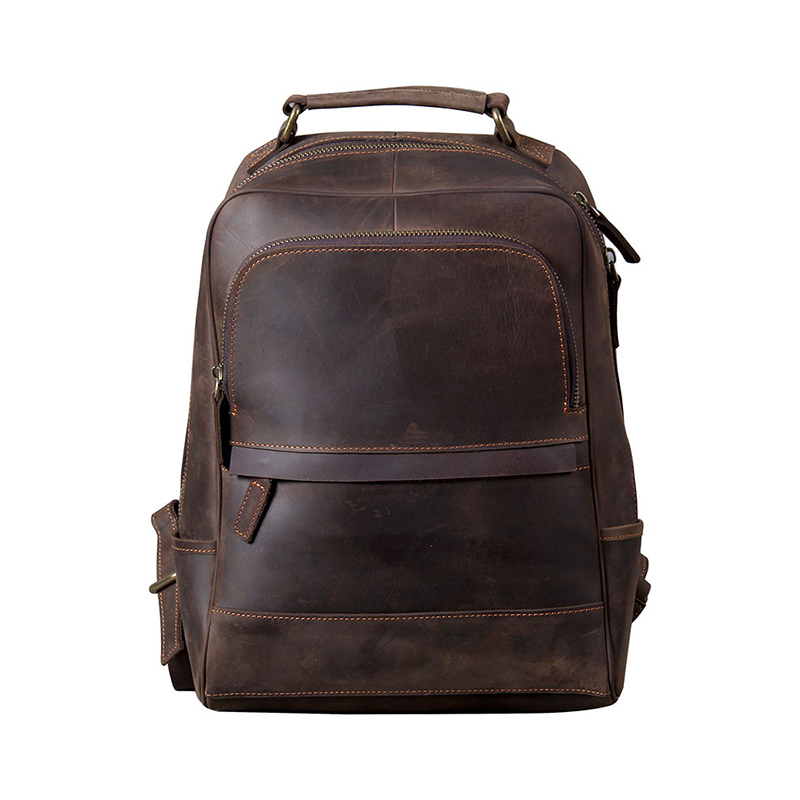
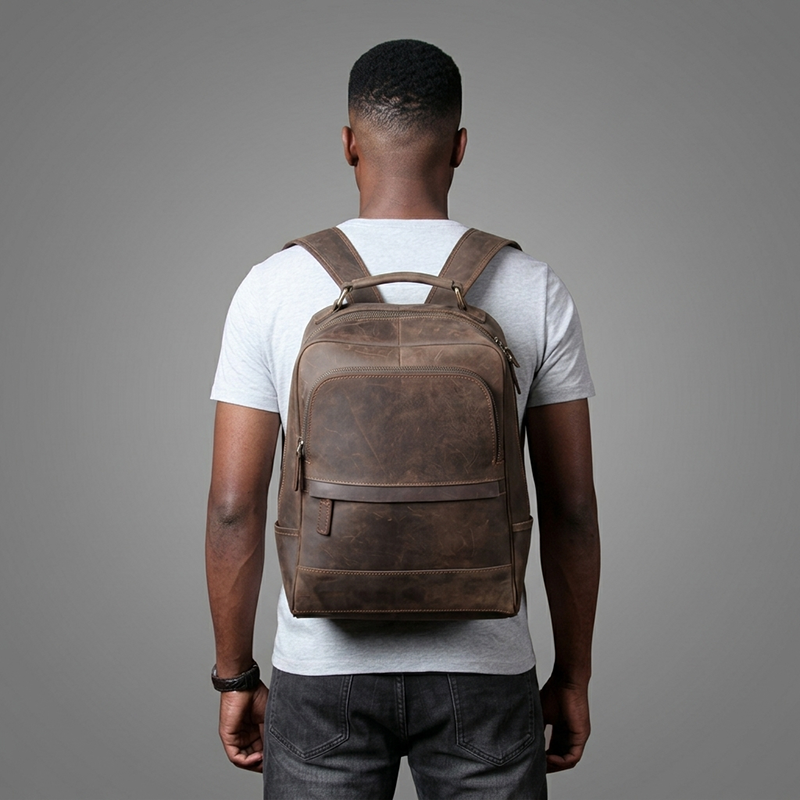
Canvas And Leather Backpacks Built For Everyday Use
Canvas and leather can form a practical combination when each material has a clear purpose.
Canvas provides flexible storage, woven texture, and a balance between structure and weight. Leather can reinforce handles, strap connections, buckle tabs, flap edges, and other high-contact areas.
The combination does not guarantee durability by itself.
The shoulder straps still need secure attachments. The base must support the intended load. Zippers and buckles must remain reliable, and the empty backpack should not be unnecessarily heavy.
A durable backpack is not defined by canvas alone.
The most practical designs combine suitable fabric, reinforced stress points, reliable closures, comfortable straps, and storage that matches the intended load.
Explore our canvas and leather backpacks for work, commuting, laptop carry, and weekend use.
Final Verdict: How Long Should A Canvas Backpack Last?
There is no universal lifespan for every canvas backpack.
Under reasonable daily use, a well-made canvas backpack can often remain functional for several years. A bag used occasionally may last much longer, while one carrying heavy equipment every day may wear faster.
The main canvas body is not always the first part to determine lifespan.
Shoulder strap attachments, seams, base corners, zipper sliders, hardware, and load distribution often matter more. Moisture exposure and aggressive cleaning can also shorten the life of leather, padding, lining, and structured internal components.
Visible age is not enough reason to replace a backpack.
Fading, creases, softened canvas, darker leather, and less-shiny hardware may change the appearance without reducing safety or function.
The final decision should be based on three questions:
-
Can the backpack still carry its normal load safely?
-
Is it still comfortable to use?
-
Does it still protect and secure the items inside?
A canvas backpack has reached the end of its useful life when it can no longer carry its normal load safely and comfortably—not simply when it begins to show character.
Frequently Asked Questions
How Long Do Canvas Backpacks Usually Last?
There is no fixed lifespan.
A well-made canvas backpack can often remain useful for several years when it carries a reasonable load, stays dry, receives gentle care, and has small problems repaired early. Occasional-use bags may remain functional considerably longer.
Are Canvas Backpacks Durable For Everyday Use?
Canvas backpacks can be durable for everyday use, but canvas alone does not determine longevity.
Fabric density, reinforced strap attachments, stitching, base construction, zippers, hardware, and daily weight all affect how long the backpack remains dependable.
Does Waxed Canvas Last Longer Than Regular Canvas?
Wax helps resist light moisture and some surface dirt, and the finish can sometimes be renewed.
However, it cannot strengthen weak seams, poorly attached straps, thin zipper tape, or low-quality hardware. A well-built regular canvas backpack may outlast a poorly constructed waxed one.
What Part Of A Backpack Wears Out First?
Common high-wear areas include base corners, shoulder strap attachments, zipper sliders, carry handle connections, pocket corners, leather tabs, and the lining.
These areas experience more friction, bending, and concentrated weight than the main fabric panels.
Can A Torn Canvas Backpack Be Repaired?
A small localized tear can often be repaired when the surrounding canvas remains strong.
Large tears, weakened fabric, or damage around shoulder strap and handle attachments may require professional assessment. Repair is less practical when the material can no longer hold new stitching or a patch.
When Should I Replace My Backpack?
Consider replacement when structural damage affects safety, comfort, reliable closure, or the protection of valuables.
Separating straps, a badly weakened base, repeated zipper failure, collapsed laptop padding, deep recurring mold, or several major failures are stronger reasons to replace than ordinary fading or creases.
Does Washing A Canvas Backpack Damage It?
Machine washing, full soaking, strong detergent, bleach, and high heat can damage some canvas backpacks.
Possible problems include shrinkage, fading, hardened leather, disturbed wax coatings, shifted padding, weakened bonded components, and loss of shape.
How Can I Make My Canvas Backpack Last Longer?
Avoid overloading, keep heavy items close to your back, use both shoulder straps, dry the backpack promptly, brush off dry dirt, spot clean stains, and inspect stress points regularly.
Repair loose stitching, worn sliders, and loose hardware before the surrounding material becomes damaged.