Do not force a stuck backpack zipper. Most zipper problems should be checked gently first, because pulling too hard can tear fabric, bend teeth, damage the slider, or make the repair harder.
A stuck zipper does not always mean the backpack is ruined. Sometimes the problem is only fabric caught in the teeth, dirt in the track, dry zipper teeth, or pressure from overpacking.
Other times, broken teeth, torn zipper tape, or a damaged slider may mean the zipper needs professional repair or replacement.
The first step is not pulling harder.
It is finding out what is actually stopping the zipper.
Quick Answer: How Do You Fix A Stuck Backpack Zipper?
Most stuck backpack zippers can be checked with a few simple steps.
| Problem | What To Try First |
|---|---|
| Fabric caught in zipper | Stop pulling and gently release the fabric |
| Dirt in zipper teeth | Brush the teeth with a dry toothbrush |
| Zipper feels dry | Use zipper lubricant, wax, or graphite carefully |
| Zipper separates after closing | Check the slider and teeth alignment |
| Backpack is overpacked | Reduce pressure before pulling the zipper |
| Missing or broken teeth | Repair or replacement may be needed |
Start by placing the backpack on a flat surface and removing pressure from the zipper line.
Inspect the area around the slider. Look for trapped lining, loose thread, dirt, bent teeth, or an overloaded compartment.
A stuck zipper should be handled slowly. The goal is to release the cause, not force the slider through it.
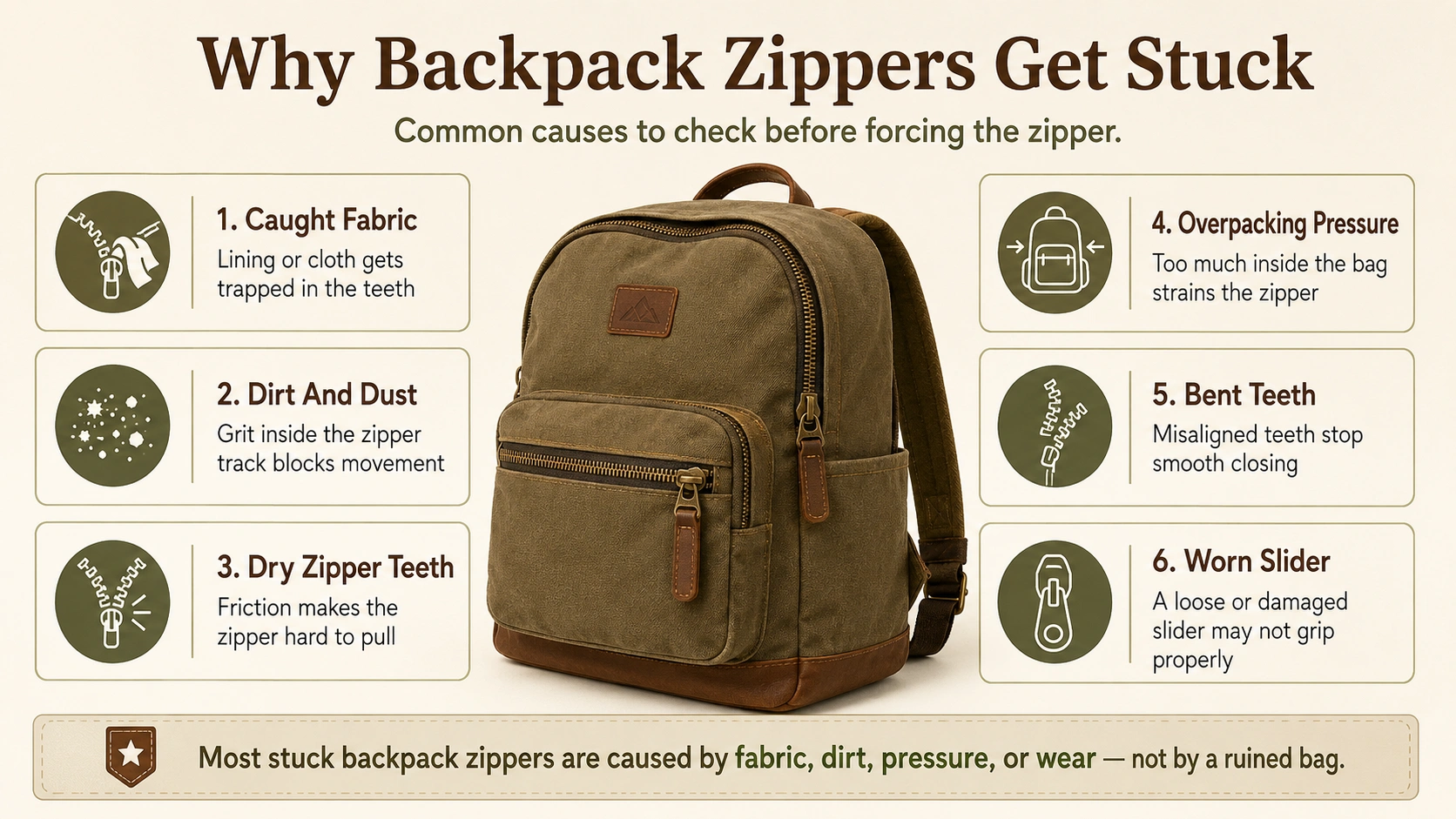
Why Backpack Zippers Get Stuck
Backpack zippers are exposed to more stress than many clothing zippers.
A backpack may be filled tightly, pulled from different angles, dropped on the ground, exposed to dust and rain, and opened repeatedly throughout the day.
That creates several common zipper problems.
Fabric Caught In The Zipper
Loose lining is one of the most common causes of a stuck backpack zipper.
As the slider moves, thin fabric can fold into the zipper teeth. Pulling harder draws more material into the slider and makes the jam tighter.
Loose threads, pocket edges, and internal fabric dividers can cause the same problem.
Dirt, Dust, Or Sand In The Teeth
Fine dirt can collect between zipper teeth and inside the slider.
The zipper may still move, but it feels rough, uneven, or difficult to pull.
Sand is especially troublesome because it creates friction and can gradually wear the teeth and slider.
Dry Zipper Teeth
Zippers may become harder to move after long use.
Dust, moisture, age, and surface wear can reduce smooth movement along the track. This does not always mean the zipper is broken. It may simply need cleaning and a small amount of suitable lubricant.
Bent Or Misaligned Teeth
A zipper may catch when one or more teeth are bent out of position.
Misalignment can happen after the backpack is crushed, pulled sideways, or packed too tightly.
The slider may stop at the damaged area or move past it while failing to close the zipper properly.
Overpacking
An overfilled backpack places outward pressure on both sides of the zipper.
This makes the slider harder to move and pulls the zipper teeth away from their correct alignment.
Hard objects near the zipper line can also push directly against the track.
A Worn Or Damaged Slider
The slider is the part that brings the two sides of the zipper together.
As it wears, it may become too loose to align the teeth properly. It may still move along the track while the zipper separates behind it.
A cracked or badly bent slider can also become stuck.
Moisture, Rust, Or Corrosion
Metal zippers may become rough after repeated exposure to moisture.
Surface corrosion can increase friction and affect the movement of the slider. This is more likely when the backpack is stored damp or used around saltwater, mud, or heavy rain.
A backpack zipper works under more stress than many clothing zippers because the bag is often packed full, pulled from different angles, and exposed to dust, rain, and daily handling.
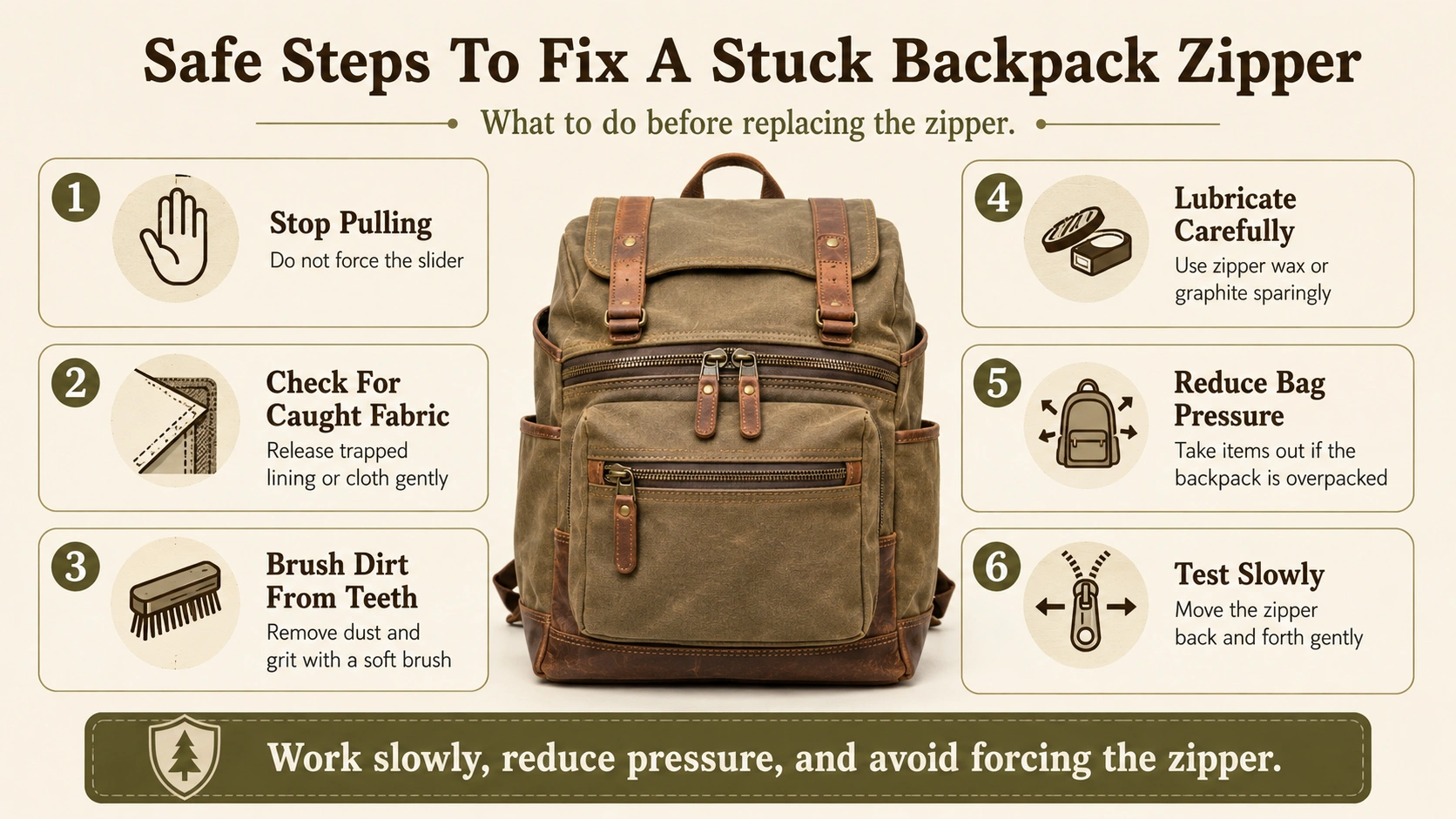
Step 1: Stop Pulling And Check The Problem
When a zipper stops moving, the natural reaction is often to pull harder.
That is usually the wrong response.
Place the backpack on a flat surface and stop putting tension on the zipper. If the bag is full, remove a few items first.
Then inspect the area closely.
Check for:
- Fabric caught inside the slider
- Loose thread around the teeth
- Dirt or sand
- Bent teeth
- A twisted zipper track
- A damaged slider
- Pressure from the contents inside
Try moving the slider very slightly backward rather than continuing forward.
A few millimeters may be enough to release tension and reveal what is trapped.
Forcing the zipper can cause:
- Torn lining
- Broken zipper teeth
- A bent slider
- Pulled stitching
- Warped zipper tape
- Damage around the zipper opening
The fastest way to make a stuck zipper worse is to keep pulling harder.
Step 2: Remove Fabric Caught In The Zipper
If fabric is trapped, reduce tension before trying to remove it.
Hold the fabric close to the slider with one hand. Use the other hand to move the slider backward in very small motions.
Do not yank the slider.
Gently pull the trapped fabric outward and away from the teeth while moving the slider back and forth.
The two movements should work together:
- The fabric moves away from the slider
- The slider moves away from the trapped section
If the lining is difficult to grip, blunt tweezers may help.
Avoid using a knife, pin, screwdriver, or other sharp tool. These can tear the fabric, scratch the zipper, or injure your hand.
Do not cut the lining unless it is already badly damaged and you understand how the cut will affect the bag. A small piece of trapped fabric may still be part of a pocket or seam.
Once the fabric is free, inspect it for fraying or loose threads.
Trim only loose thread ends that are clearly separated from the seam. Do not cut close to the stitching.
If fabric is caught in the zipper, the slider needs less force, not more force. Pulling harder only tightens the fabric inside the teeth.
Step 3: Clean Dirt From The Zipper Teeth
If no fabric is trapped, the problem may be dirt inside the zipper track.
Start with dry cleaning.
Use:
- A dry toothbrush
- A soft detailing brush
- A clean shoe brush
- A small soft paintbrush
Brush along both sides of the zipper teeth.
Pay particular attention to:
- The bottom of the zipper
- Curved corners
- Pocket openings
- Areas near the slider
- Sections exposed to mud or sand
- Loose thread around seams
Avoid adding water immediately.
Dry sand and dust are easier to remove before they become wet. Adding water too early can turn dirt into paste and push it deeper into the slider.
After brushing, turn the backpack upside down and shake it gently.
Move the slider a short distance forward and backward. Stop if it still feels heavily blocked.
If more general cleaning is needed, see our guide on how to clean a canvas backpack.
Do not soak the entire backpack just to clean the zipper. This is especially important when the bag includes leather trim, padding, lining, or internal structure. Our guide on can you machine wash a canvas backpack explains why aggressive washing can damage these materials.
Dust and grit can make zipper teeth feel rough even when nothing is visibly broken.
Step 4: Lubricate The Zipper Carefully
After the teeth are clean, a small amount of lubricant may help the slider move more smoothly.
Suitable options include:
- Purpose-made zipper lubricant
- Clear wax
- Graphite from a pencil
- A very small amount of plain bar soap
A zipper lubricant is usually the easiest option because it is designed for this purpose.
If using wax or soap, choose a plain, light-colored product that is less likely to stain the surrounding material.
Apply only a small amount to the zipper teeth.
Do not coat the entire area.
Then move the slider gently backward and forward over a short section. This helps distribute the lubricant through the track.
Wipe away any excess with a clean cloth.
What Not To Use
Avoid:
- Cooking oil
- Heavy machine oil
- Greasy household lubricants
- Strongly colored wax
- Products with heavy fragrance
- Thick petroleum products near fabric
- Excess liquid around leather trim
Oil can spread into canvas and leave permanent dark marks.
It can also attract more dust, creating another zipper problem later.
When a zipper runs next to leather, avoid saturating the leather edge. Leather and canvas should not be soaked simply to lubricate the zipper.
Lubrication should help the zipper teeth move smoothly, not soak the fabric around the zipper.
Step 5: Check If The Zipper Teeth Are Misaligned
Sometimes the slider moves, but the zipper does not remain closed.
The zipper may close temporarily and then separate behind the slider.
This usually points to a different problem.
Possible causes include:
- Teeth that are not aligning
- A loose or worn slider
- Bent teeth
- Stretched zipper tape
- Pressure from overpacking
- Missing teeth
- A damaged starting point
Begin by emptying some of the backpack.
Return the slider slowly to the beginning of the zipper and try closing it again without pressure on the bag.
Keep both sides of the zipper relaxed and level.
If it closes normally when the bag is empty, overpacking may be the main cause.
If it still separates, inspect the teeth.
Look for one tooth that sits higher or lower than the others. Also check whether the zipper tape has become stretched or twisted.
A small alignment problem may sometimes improve when the zipper is cleaned, relaxed, and closed slowly from the starting point.
Repeated separation usually indicates wear or physical damage.
If the zipper moves but the teeth do not stay closed, the problem may not be dirt. It may be alignment, pressure, or a worn slider.
Step 6: Reduce Pressure From Overpacking
A zipper is not designed to compress a bag that is too full.
When the backpack is overloaded, the contents push outward against the zipper opening. The slider must fight this pressure while also trying to align the teeth.
This can lead to:
- Difficult zipper movement
- Teeth separating
- Fabric entering the slider
- Bent zipper tape
- Stress around the seams
- A worn slider
- Damage at the zipper ends
Before closing an overpacked backpack, remove a few items.
Rearrange the remaining contents so that hard objects are not pressing directly against the zipper line.
Place flat items against the back panel rather than across the opening. Keep bulky objects lower in the main compartment when possible.
Do not press your full body weight onto the bag while pulling the zipper. This may close it once, but it places extreme pressure on the track and stitching.
If the same backpack is constantly difficult to close, the problem may be capacity rather than the zipper.
Use our backpack size guide to compare practical backpack sizes for daily work, commuting, and travel.
A zipper is designed to close the backpack, not compress an overloaded bag.
Step 7: Check The Slider
The slider is the small metal or molded part that moves along the zipper and joins the teeth.
A slider can wear even when the teeth still look normal.
Common slider problems include:
- The slider feels loose
- The slider looks uneven
- The pull tab is bent
- The slider is cracked
- The zipper opens behind the slider
- The slider moves without joining the teeth
- The slider stops at the same point repeatedly
A broken pull tab does not necessarily mean the slider itself is damaged.
If only the pull tab is missing, it may be possible to attach a replacement zipper pull, small cord, or leather pull tab.
If the slider body is cracked or badly bent, it usually needs replacement.
Some repair guides recommend squeezing a loose slider with pliers. This can sometimes reduce a minor gap, but it also carries a risk.
Too much pressure may:
- Crack the slider
- Make it too tight
- Crush the zipper teeth
- Cause uneven movement
- Turn a repairable problem into permanent damage
For an everyday care guide, the safer advice is simple: do not aggressively reshape the slider.
If it is visibly damaged or repeatedly failing, replace it or take the backpack to a bag, luggage, shoe, or alterations repair shop.
When the slider becomes worn or bent, the zipper may still move but fail to close properly.
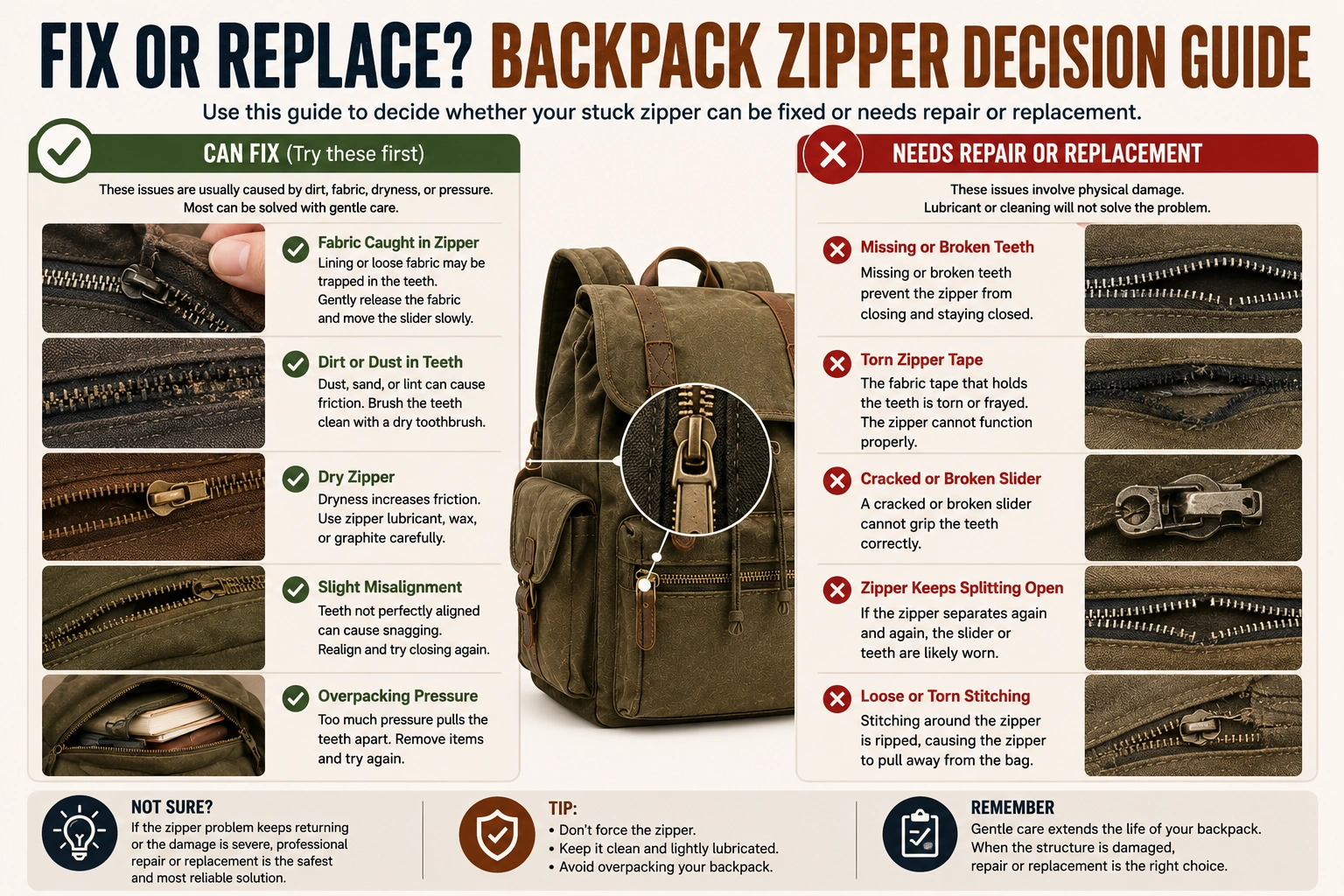
When You Should Replace The Zipper Instead Of Fixing It
Cleaning and lubrication solve friction problems.
They do not repair broken parts.
A backpack zipper may need professional repair or replacement when:
- Teeth are missing
- Several teeth are broken
- Teeth are badly bent
- The zipper tape is torn
- The slider is cracked
- The zipper repeatedly splits open
- Stitching around the zipper has pulled loose
- Fabric around the zipper is torn
- The zipper track is severely warped
- Metal parts have heavy rust or corrosion
- The same problem returns after cleaning
- The slider no longer joins the teeth
Use the condition of the zipper to decide whether a simple fix is realistic.
| Situation | Fix Or Replace? |
| Dirt in zipper teeth | Clean first |
| Fabric caught in zipper | Release gently |
| Dry zipper | Lubricate carefully |
| Slight misalignment | Reduce pressure and retry |
| Missing teeth | Repair or replace |
| Torn zipper tape | Replace zipper |
| Cracked slider | Replace slider |
| Repeated splitting | Repair or replace slider or zipper |
A missing tooth creates a gap that the slider cannot correct.
Torn zipper tape weakens the connection between the zipper and the backpack body. Lubricating it will not restore the material.
A cracked slider may fail suddenly, even if it still works occasionally.
Repair may still be worthwhile when the backpack body, straps, lining, and hardware remain in good condition. Replacing one zipper or slider can extend the useful life of a well-made bag.
If the teeth, tape, or slider are physically damaged, lubrication will not solve the real problem.
How To Prevent Backpack Zippers From Getting Stuck Again
Most zipper care is simple.
The goal is to reduce dirt, moisture, and unnecessary pressure.
Do Not Overpack The Backpack
Leave enough space for the zipper to close without force.
If the sides of the bag must be pulled together tightly every time, the zipper is under too much pressure.
Pull In The Direction Of The Zipper Track
Avoid pulling the slider sharply outward or sideways.
A zipper works best when the pull follows the track. Sideways force can twist the slider and place uneven pressure on the teeth.
Keep Lining Away From The Teeth
Before closing the backpack, check that loose lining, clothing, straps, or internal pockets are not folded into the zipper path.
This is particularly important around corners.
Brush Away Dust And Sand
Clean visible grit before it builds up.
A quick pass with a dry brush can prevent rough movement and reduce wear.
Dry The Zipper After Rain
Open the backpack and let it air dry after wet use.
Do not store the bag in a closed cupboard while the zipper, lining, or surrounding fabric is still damp.
Avoid Excess Lubricant
A small amount can improve movement.
Too much can stain the backpack and attract dirt.
Inspect The Zipper Early
Do not wait until the zipper stops completely.
Rough movement, repeated separation, or visible bending are early signs that the zipper needs attention.
Prevention is mostly about reducing stress. A clean zipper under normal pressure lasts much longer than a dirty zipper being forced around an overloaded bag.
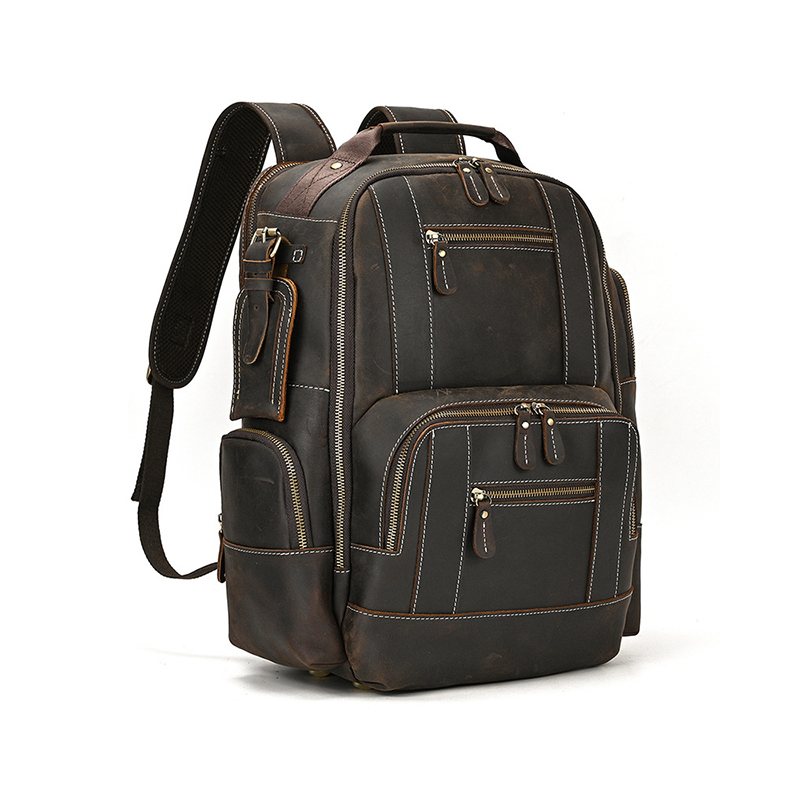
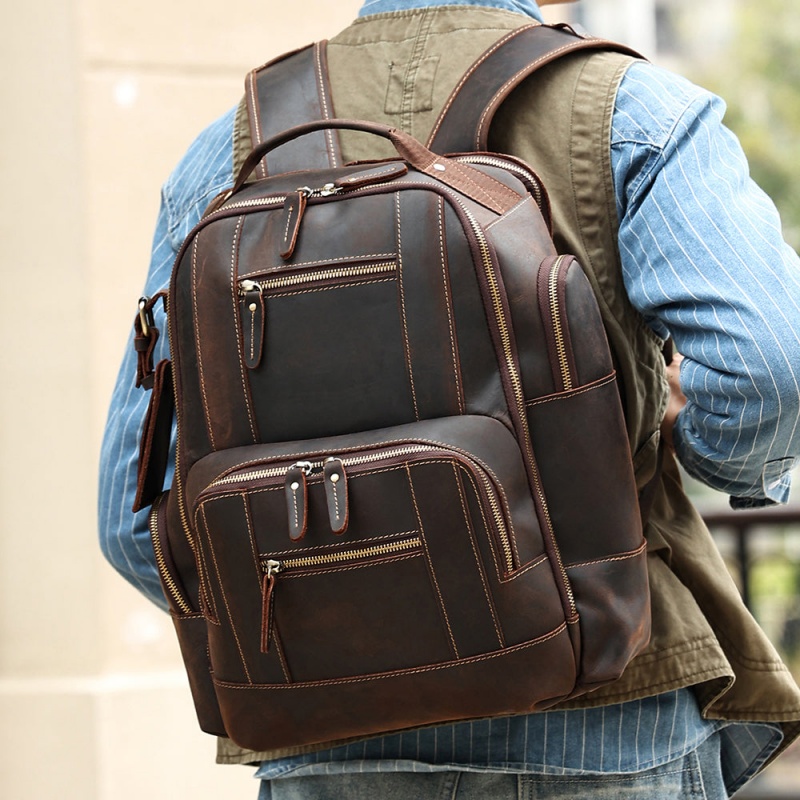
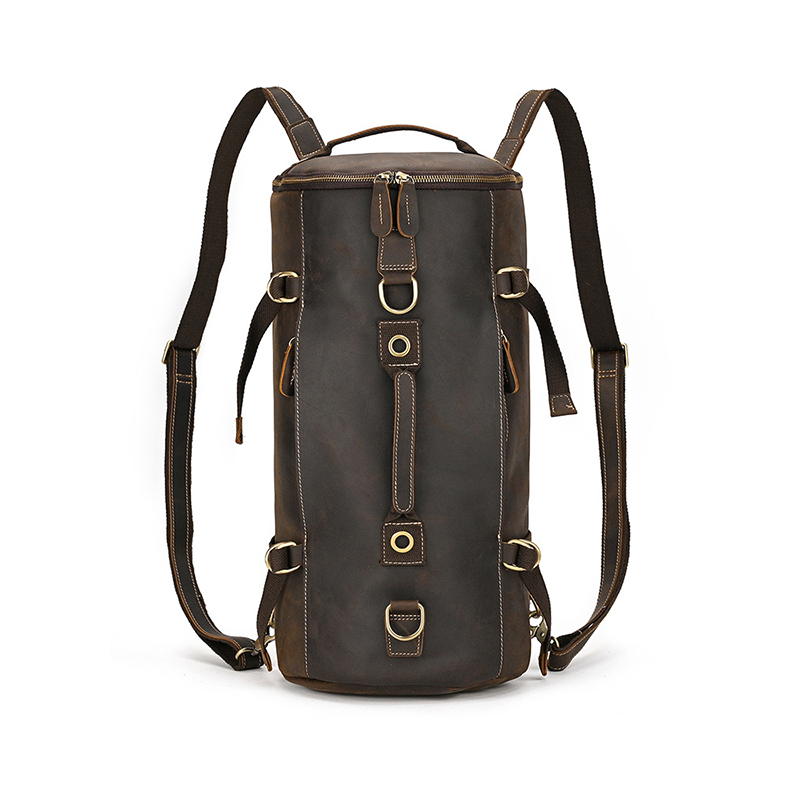
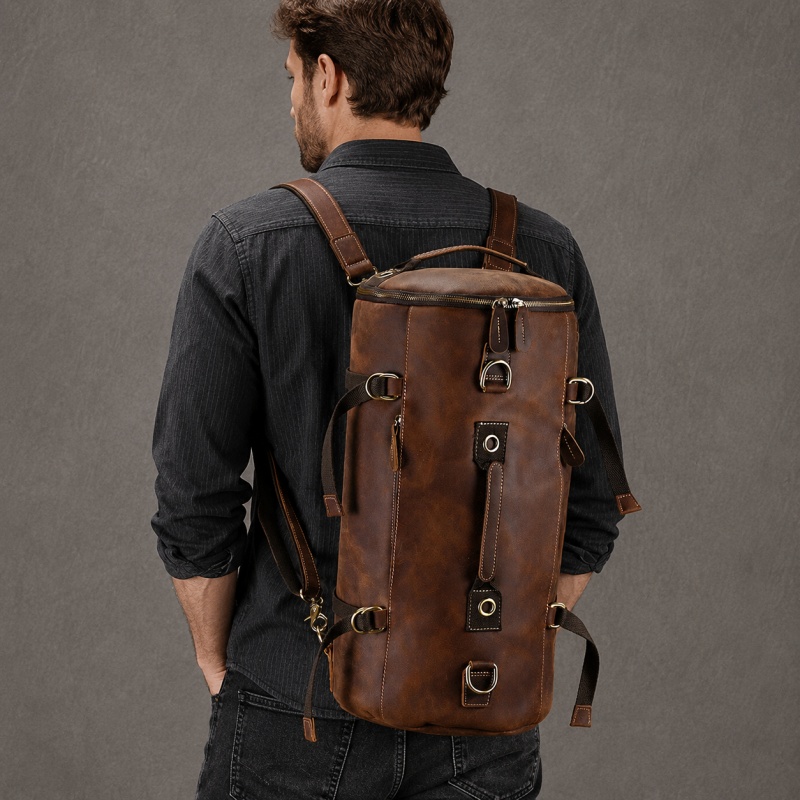
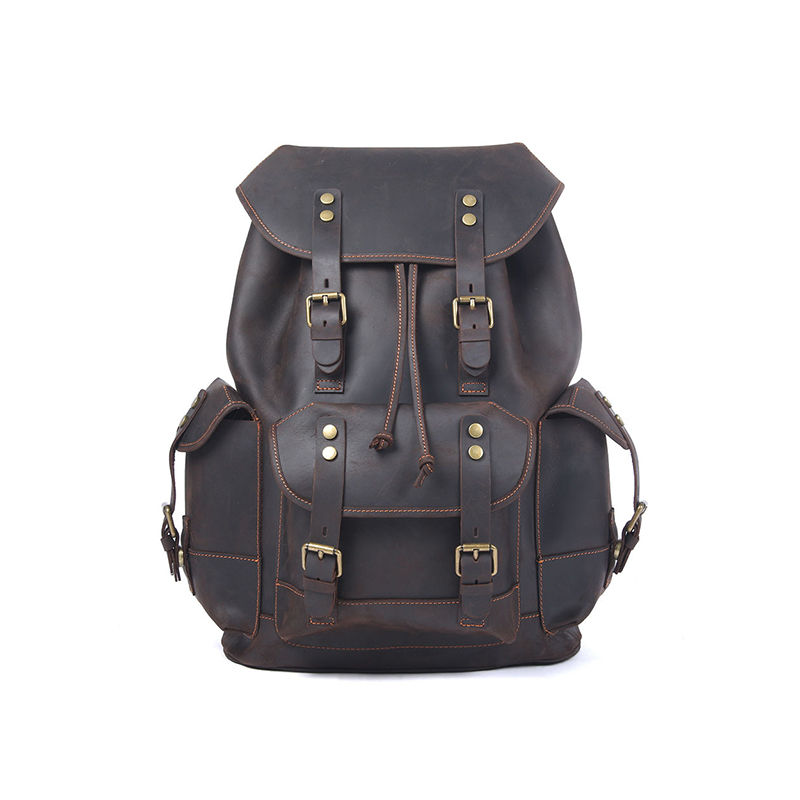
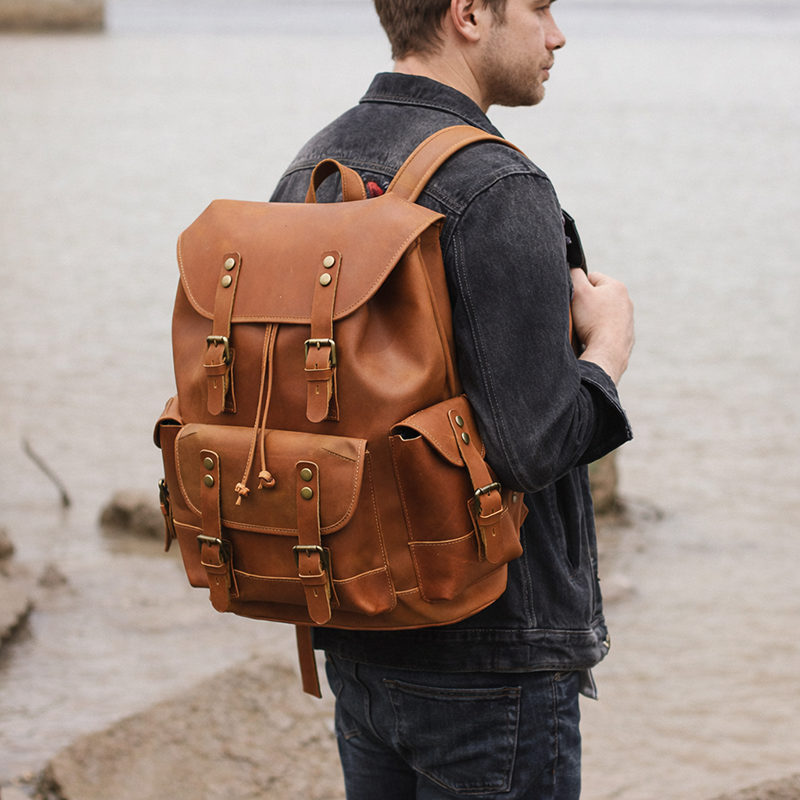
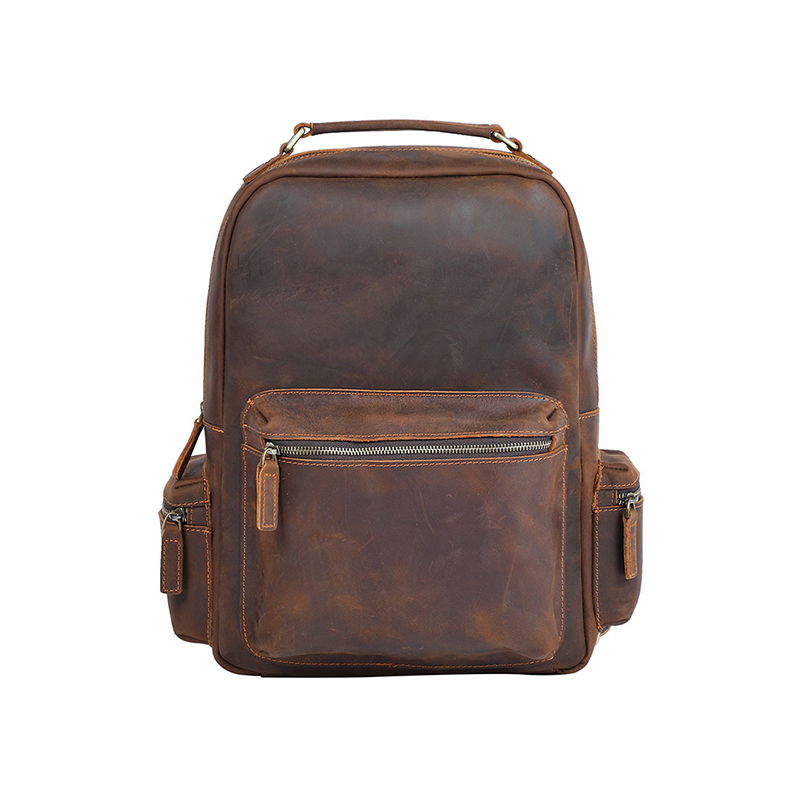
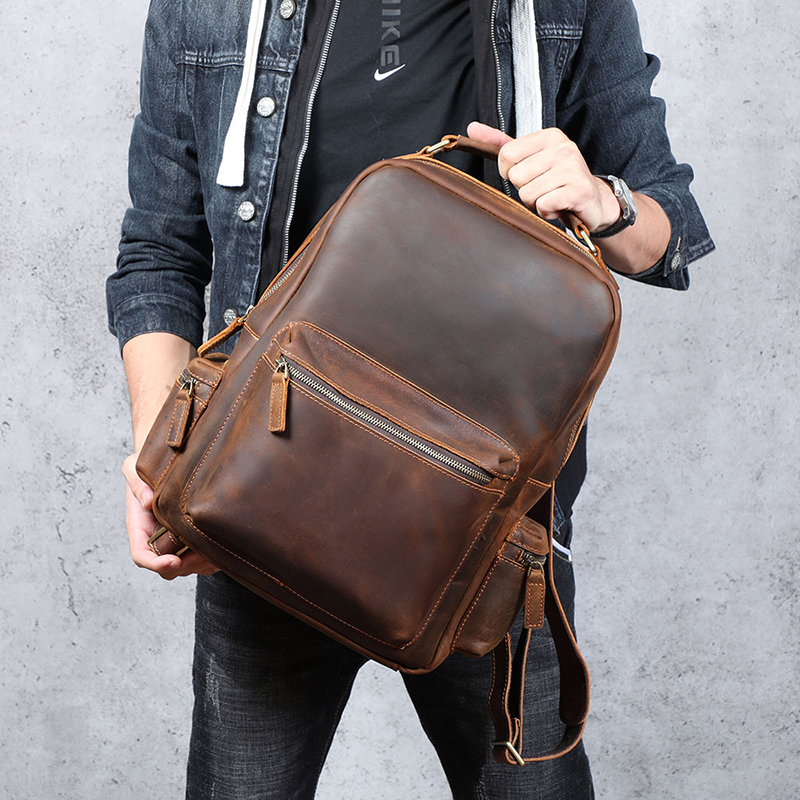
Canvas And Leather Backpacks: Why Gentle Zipper Care Matters
Canvas and leather backpacks often use several materials around the zipper area.
These may include:
- Metal zippers
- Leather pull tabs
- Thick canvas seams
- Internal lining
- Structured compartments
- Flap closures
- Metal rings and buckles
- Reinforced leather attachment points
These details add texture, function, and durability, but they also require more controlled care than a simple washable fabric bag.
Do not pull aggressively on a leather zipper tab when the slider is stuck.
The tab may be strong enough for normal use, but repeated force can stretch the leather, damage the metal connection, or bend the slider.
Avoid applying oil around canvas or leather.
A greasy lubricant may darken the fabric and leave a permanent mark. It may also soften or stain leather unevenly.
When cleaning around the zipper, use a dry brush first. If a damp cloth is needed, keep water away from leather edges and internal padding as much as possible.
Metal zippers should be dried after exposure to rain.
Correct zipper care protects both the function of the bag and the materials around it.
If you use a canvas and leather backpack for work, commuting, or weekend travel, gentle zipper care helps protect both the function and the character of the bag.
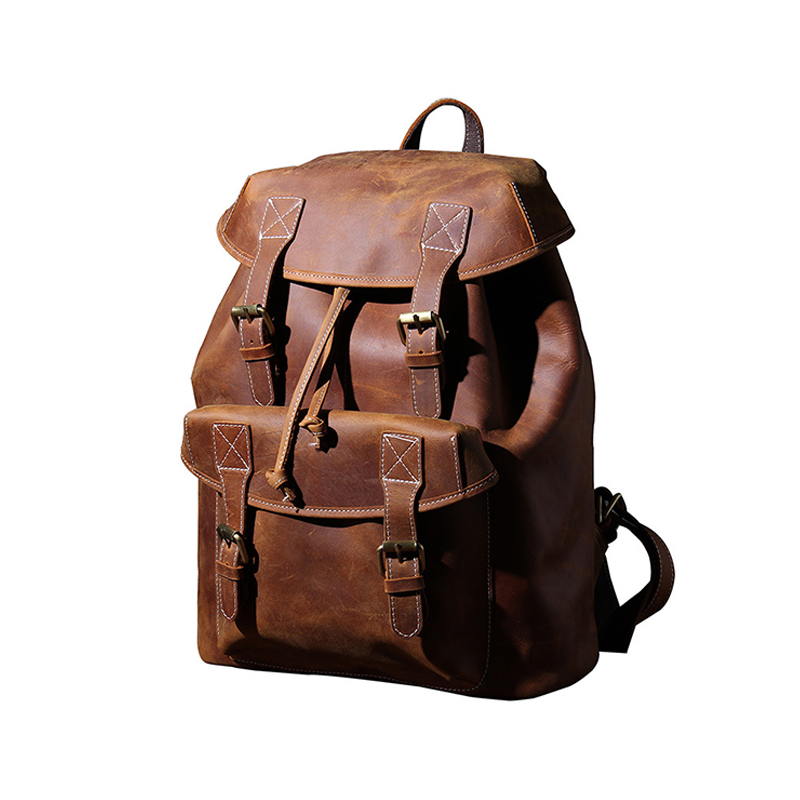
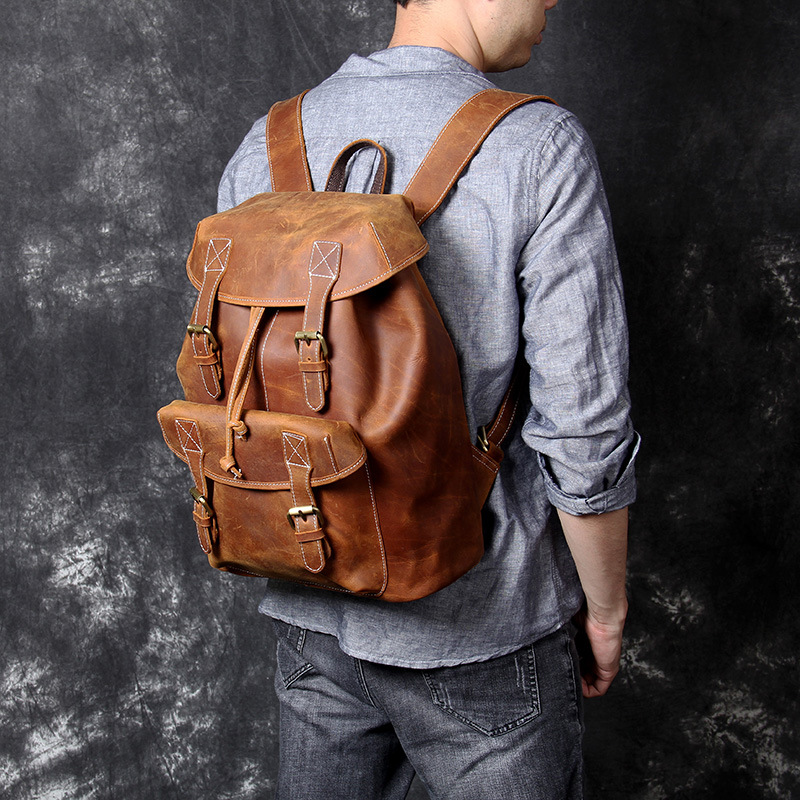
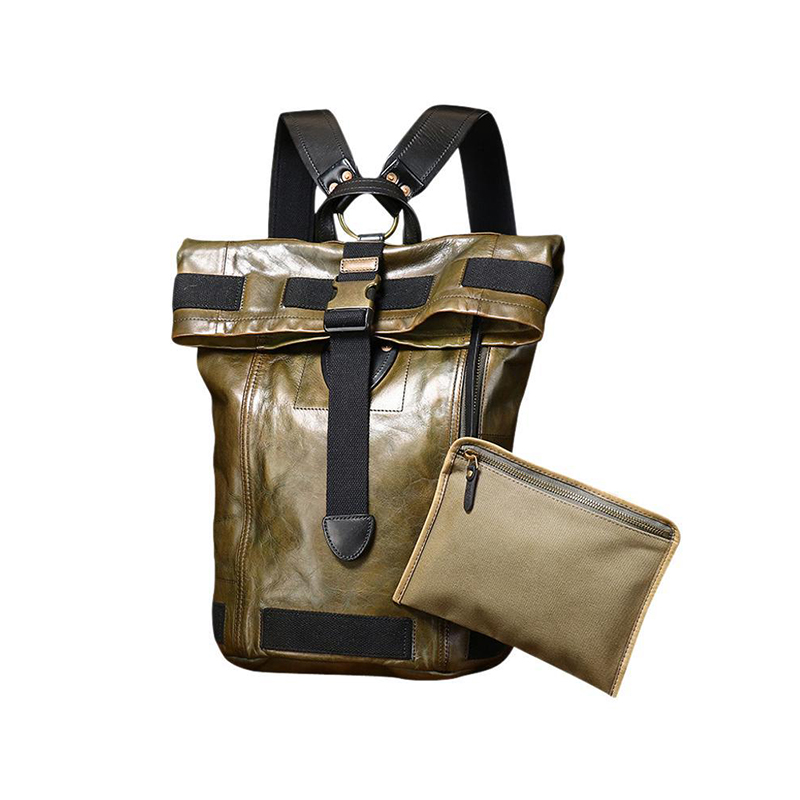
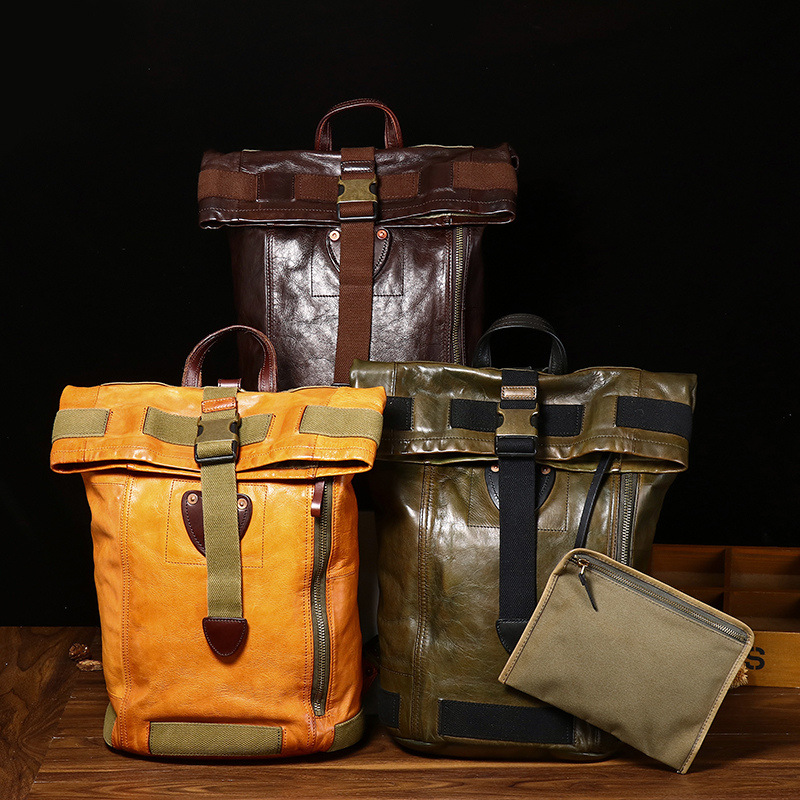
Explore our collection of canvas and leather backpacks for daily work, commuting, and short trips.
Final Verdict: How Should You Fix A Stuck Backpack Zipper?
Do not force the zipper.
Place the backpack flat, reduce pressure, and inspect the track first.
If fabric is trapped, move the slider backward gently while pulling the fabric away.
If the teeth are dirty, brush away dust, sand, and loose thread.
If the zipper is clean but feels dry, apply a small amount of suitable zipper lubricant, wax, graphite, or plain soap to the teeth.
If the backpack is overloaded, remove some contents before trying again.
If the zipper closes and then separates, inspect the slider, teeth, and zipper tape for wear or damage.
Simple causes can often be handled at home.
Physical damage usually cannot.
Most stuck backpack zippers can be handled safely if you slow down, reduce pressure, clean the teeth, and avoid forcing the slider. But broken teeth, torn zipper tape, or a damaged slider usually need repair or replacement.
Frequently Asked Questions
How Do You Fix A Stuck Backpack Zipper?
Stop pulling and place the backpack on a flat surface.
Check for caught fabric, loose thread, dirt, bent teeth, and pressure from overpacking. Remove the cause gently, clean the zipper teeth, and apply a small amount of suitable lubricant if the zipper feels dry.
Do not force the slider through a blocked area.
Why Is My Backpack Zipper Stuck?
A backpack zipper may become stuck because of trapped lining, dirt, sand, dry teeth, bent teeth, a worn slider, or pressure from an overfilled compartment.
Inspect the area around the slider before deciding how to fix it.
How Do You Fix Fabric Stuck In A Zipper?
Move the slider slightly backward while gently pulling the trapped fabric away from the teeth.
Use small movements rather than force. Blunt tweezers may help grip the fabric, but avoid sharp tools that could tear the lining.
What Can I Use To Lubricate A Backpack Zipper?
A purpose-made zipper lubricant is the safest option.
Clear wax, graphite from a pencil, or a small amount of plain bar soap may also help. Apply only a small amount to the teeth and wipe away excess residue.
Avoid greasy oils that may stain canvas or leather.
Can You Fix A Backpack Zipper That Separates?
Sometimes.
First empty the backpack and close the zipper without pressure on it. Clean the teeth and check for misalignment.
If the zipper continues separating, the slider may be worn or damaged. Missing teeth, torn zipper tape, or a cracked slider usually require repair or replacement.
Why Does My Backpack Zipper Keep Opening?
The slider may no longer be gripping and aligning the teeth correctly.
Overpacking, bent teeth, stretched zipper tape, or a worn slider can also cause the zipper to open after it has been closed.
Repeated opening usually means the problem is more than dirt or dryness.
Should I Replace A Broken Backpack Zipper?
Replacement is usually needed when teeth are missing, the zipper tape is torn, the track is badly warped, or the zipper repeatedly splits after basic cleaning and pressure reduction.
A damaged slider may be replaceable without replacing the entire zipper.
How Do I Stop My Backpack Zipper From Getting Stuck?
Avoid overpacking, pull the slider in the direction of the zipper track, keep loose fabric away from the teeth, brush out dust and sand, and let the zipper dry after wet use.
Address rough movement early instead of waiting until the slider becomes completely stuck.